Power Bank Airline Rules in 2026: A Country-by-Country View
Power banks are the SKUs most likely to be stopped in transit when paperwork is missing. This guide explains the air transport framework behind them, the documents a buyer must demand, and how the market-by-market picture fits together.
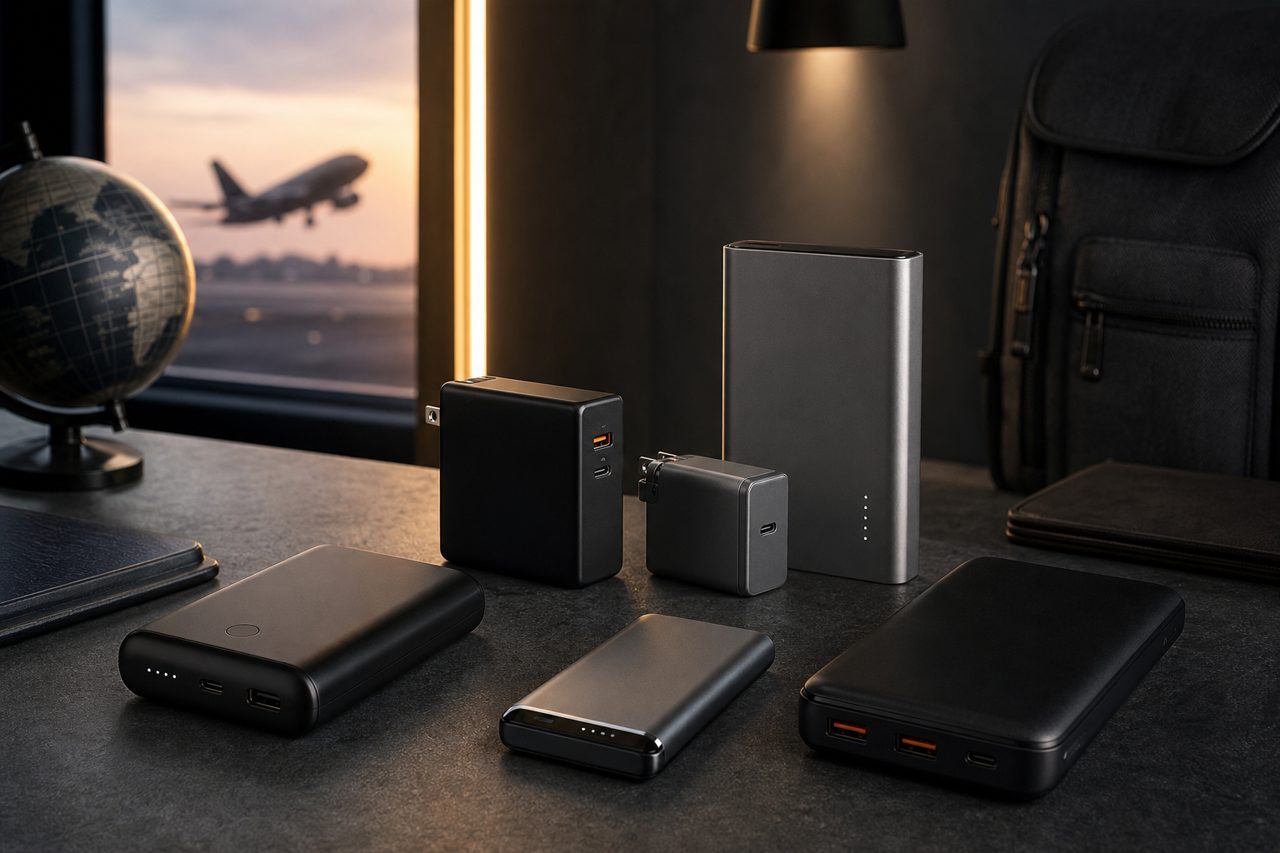
Power banks are too big a category to avoid and too regulated to treat casually. The global market was valued at USD 20.9 billion in 2025 and is projected to reach USD 39.5 billion by 2033 (Grand View Research, 2025), with e-commerce already accounting for roughly 53% of sales (Grand View Research, 2025). That channel mix is the crux: most power banks bought online cross a border by air before they reach a customer, which means every cross-border seller of battery goods is, in practice, shipping dangerous goods. The rules below are not bureaucracy to route around; they are the operating system of the category.
The framework in one page
Air transport of lithium batteries is governed by the IATA Dangerous Goods Regulations, which implement the international rules for dangerous goods in air freight. Three building blocks matter to a buyer:
- UN38.3. The test series every lithium cell and battery must pass before air transport. Request the UN38.3 test summary per cell and per finished battery, and keep it on file for each SKU.
- UN numbers. Lithium-ion batteries shipped on their own are UN 3480; batteries packed with equipment or contained in equipment are UN 3481. A power bank shipped alone is, in classification terms, a standalone battery.
- Packing instructions. PI965 covers standalone UN 3480 shipments, PI966 covers batteries packed with equipment, and PI967 covers batteries contained in equipment. Each instruction defines packaging, quantity limits, marks and labels.
One detail catches many first-time importers: standalone lithium-ion batteries moving by air must ship at a state of charge not exceeding 30% (IATA Dangerous Goods Regulations). For power banks, that means the consignment is packed and documented as UN 3480 / PI965, not thrown into a generic parcel. Our earlier article on UN38.3 and power bank shipping walks through the test itself.
Passenger rules and freight rules are different regimes
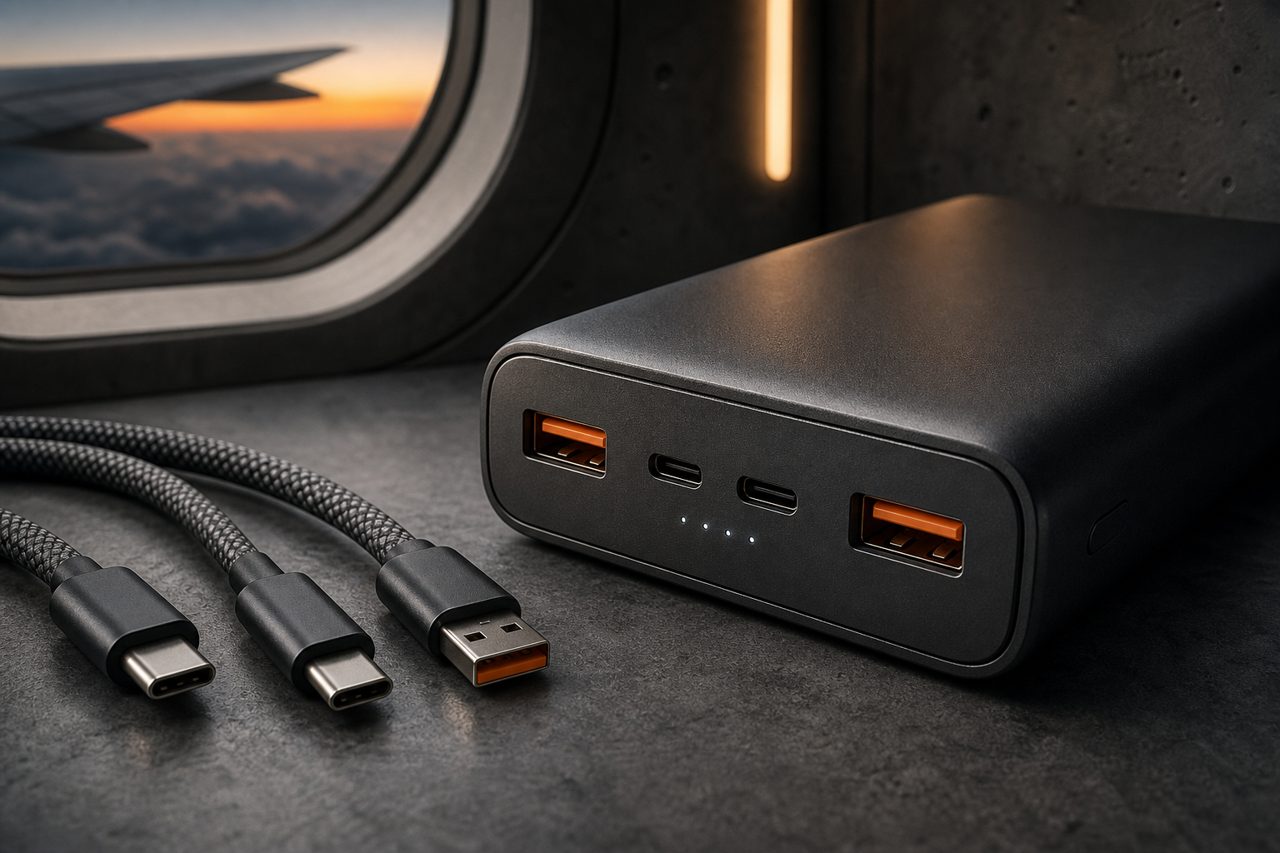
Buyers often absorb the passenger rules first, because everyone has flown with a power bank. Airlines require spare lithium batteries, power banks included, in carry-on baggage only. Batteries up to 100Wh generally travel without approval; larger batteries up to 160Wh require airline approval; anything above is not accepted (IATA passenger provisions). These limits change how travelers pack, and they are worth mirroring in customer-facing content, but they are not the rules that move your cargo.
Freight follows the Dangerous Goods Regulations instead, and the difference matters commercially. A pallet of power banks is not a passenger with a bag; it is a declared dangerous goods shipment with its own classification, packing and documentation chain. Sellers who blur the two regimes in their listings create two problems at once: customers who misplace batteries in checked luggage, and freight that stalls because nobody prepared the DG paperwork. Keep the two languages separate in your content: one paragraph for travelers, one for cargo, never mixed.
The document checklist before any battery PO
Every item below is a normal request to a source supplier. If a supplier hesitates on any of them, treat it as a screening result:
| Item | What it proves | Red flag if missing |
|---|---|---|
| UN38.3 test summary (cell and battery) | The exact cells and packs passed the mandated test series | The SKU cannot legally fly; reject the model |
| UN number and packing instruction stated | The supplier knows the shipment class (UN 3480 / PI965 for standalone power banks) | Forwarder will re-classify, and your timeline absorbs the delay |
| Lithium battery marks and labels | Cartons meet marking and labeling requirements for the instruction used | Airline ground handling can refuse the consignment |
| State of charge confirmation | Standalone air shipments are at or below 30% SoC | Carrier or auditor finds undeclared charge levels; shipment returns |
| Carton quantity and weight limits | Packing follows the quantity limits of the applicable instruction | Overpacked cartons void the compliance of the whole shipment |
| DG-trained forwarder | Someone in the chain is qualified to handle dangerous goods | Paperwork exists but nobody can file it correctly |
The checklist is also a negotiation tool. Suppliers who ship batteries routinely produce this file in a day; silence is information about how that supplier usually moves power banks.
The country-by-country layer: what actually differs
Here is the honest framing buyers need: the air transport layer is international. The IATA framework above applies regardless of destination, and no serious airline deviates from it. What differs by destination is the product compliance layer stacked on top, and this is where a country view is genuinely useful:
| Market | Typical certification expectation for power banks | Seller note |
|---|---|---|
| European Union | CE marking with the applicable directives; battery and waste regulations apply | Also plan for the EU responsible-party information on listings |
| United Kingdom | UKCA marking path post-Brexit | Treated separately from CE in documentation |
| United States | FCC equipment authorization for the electronics; California Prop 65 warning for retail | Marketplace listings commonly request both |
| Japan | PSE for lithium-ion batteries under the national scheme | Check the specific PSE scope for the watt-hour class |
| South Korea | KC certification for battery products | Confirm the certificate covers the exact model |
National requirements evolve, and this table is a planning aid rather than a legal opinion; confirm the current scope with your forwarder and certification partner before each new market entry. The structural point stands: certification answers to customs and marketplaces, while IATA compliance answers to airlines. A shipment needs both layers to flow.
How a compliant battery channel runs in practice
The operational goal is a battery supply chain that moves at near-normal speed despite the regime. In our setup, stock power banks dispatch within 48 hours of order, and the battery air channel delivers to major Western markets in 8 to 18 days, using UN38.3-tested cells and packing aligned to the IATA instructions described above. Parcels that arrive damaged are reshipped with a photo within 30 days of receipt, which removes most of the customer-service drag specific to battery goods.
For sellers with repeat volume, the logistics mix changes: front-stock the proven SKUs in a US (East/West) or EU warehouse, and the last mile drops to 2-5 days while the compliance work happens once at the front-haul instead of per parcel. The right model depends on order frequency, and the dropshipping program supports both stages. Choose capacities with the same discipline as routes; the capacity selection guide covers the demand side. The current stock models are listed on the charging category page.
FAQ
Can power banks go in checked baggage?
For passengers, no. Airlines require spare lithium batteries, power banks included, in carry-on baggage only, with watt-hour tiers deciding whether approval is needed. Air cargo follows a separate regime, the IATA Dangerous Goods Regulations, where UN38.3 testing, packing instructions and declared state of charge control what ships.
What documents must a supplier provide for air shipments of power banks?
At minimum: a UN38.3 test summary for cell and finished battery, the correct classification (UN 3480 with PI965 for standalone power banks), compliant lithium battery marks and labels, state-of-charge confirmation at or below 30% for standalone air shipments, and a DG-trained forwarder to file it all.
How fast can battery SKUs be dropshipped to end customers?
Stock power banks dispatch within 48 hours of order, and the compliant battery air channel typically delivers to major Western markets in 8-18 days. Repeat sellers can front-stock in a US or EU warehouse and cut the last mile to 2-5 days.