Building a Brand in 3C Accessories: Positioning to Packaging
Most 3C accessory brands fail not because the product was bad, but because nothing about the brand gave a customer a reason to remember it. This guide walks from positioning through to the packaging details that make a positioning credible.
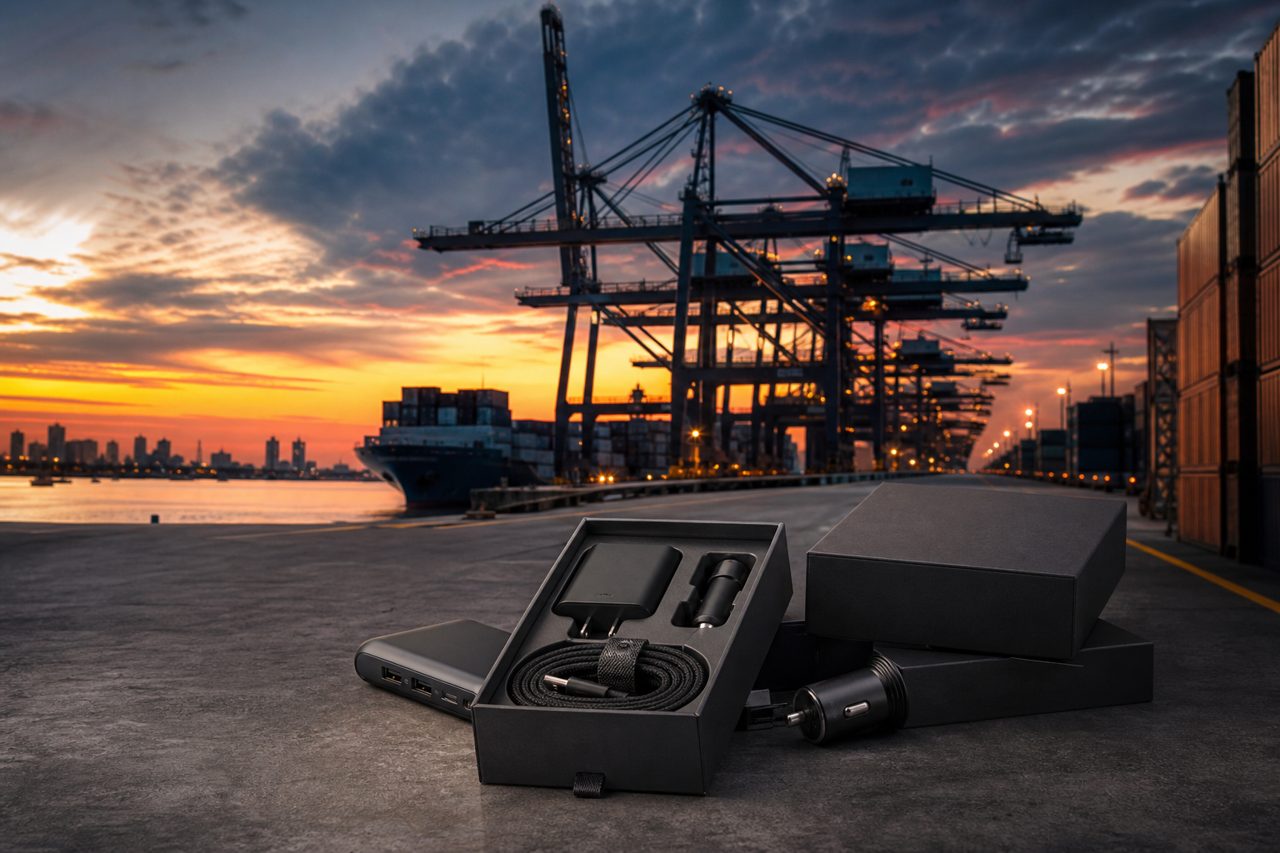
3C accessories are functionally similar across sellers more often than buyers admit - many GaN chargers on the market share similar chipsets, many TWS earbuds share similar driver suppliers. In a category where the underlying components are widely available, brand is often the only defensible differentiation left, which makes positioning a business decision, not a design exercise.
Start with a positioning a generic listing cannot make
A defensible position answers a question competitors' generic listings cannot: not "we sell chargers" but "we sell chargers built for photographers who travel with three camera bodies," or "we sell audio gear designed around all-day desk comfort for remote workers." The narrower and more specific the position, the harder it is for an undifferentiated dropshipper to copy convincingly, even if they can copy the product itself.
Test a candidate positioning against one question: could a customer explain it back to a friend in one sentence? If the answer requires a paragraph, the positioning is still too abstract to survive first contact with a shopper scrolling a marketplace.
Choosing which SKUs express the positioning
Not every product in a catalog needs to carry the brand story equally. A focused launch of 3-5 SKUs that clearly express the positioning outperforms a broad catalog with no coherent thread, and each of those SKUs should already carry demand validation from prior dropship testing - our private label roadmap covers that validation sequence in detail. Launching a brand cold, without SKU-level sales data, multiplies the risk of the positioning bet with the risk of the product bet.
Where packaging carries the positioning
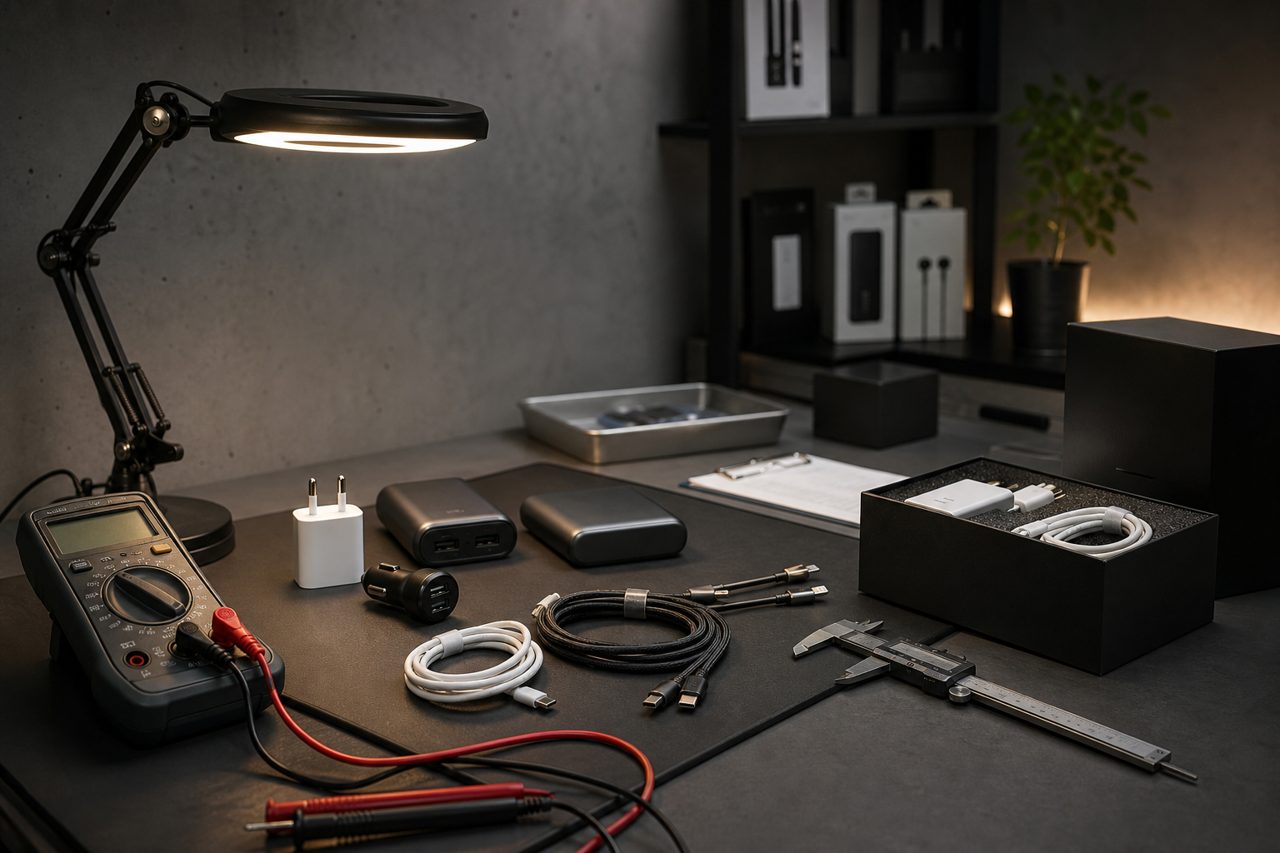
Packaging is where positioning becomes tangible to a customer holding the product for the first time. This includes the printing technique - our case printing guide covers IMD, IML and digital printing trade-offs - the unboxing sequence, and consistency across SKUs so the line reads as one brand rather than several unrelated products sharing a logo. A travel-photography positioning, for example, should show up in packaging language and imagery, not just in ad copy.
Common branding mistakes worth avoiding early
The most frequent mistake is choosing a positioning based on what looks appealing in a mood board rather than what a specific, identifiable customer segment already searches for and buys. A positioning nobody was looking for cannot be discovered no matter how well the packaging executes it. Anchor the positioning to a segment with observable purchase behavior - a search term pattern, a existing community, a demographic already buying adjacent products - rather than inventing a segment and hoping it materializes.
A second mistake is name and visual identity choices that make future category expansion awkward. A name tied too literally to one product type (a name built entirely around "charger" for a brand that may later want to sell audio or wearables under the same identity) can box in the brand before it has proven which category it will actually grow in. Choosing a name and visual system loose enough to stretch across a plausible future catalog, while still specific enough to support the initial positioning, avoids a costly rebrand later.
A third mistake is underinvesting in the first customer's post-purchase experience - the unboxing, the included instructions, the first point of contact if something goes wrong - while overinvesting in pre-purchase advertising. Early reviews disproportionately shape a new brand's trajectory, and a strong unboxing experience paired with responsive support converts a first-time buyer into a reviewer willing to vouch for the brand, which does more for durable growth than an equivalent amount spent on additional ad impressions.
Certification and documentation as brand credibility, not paperwork
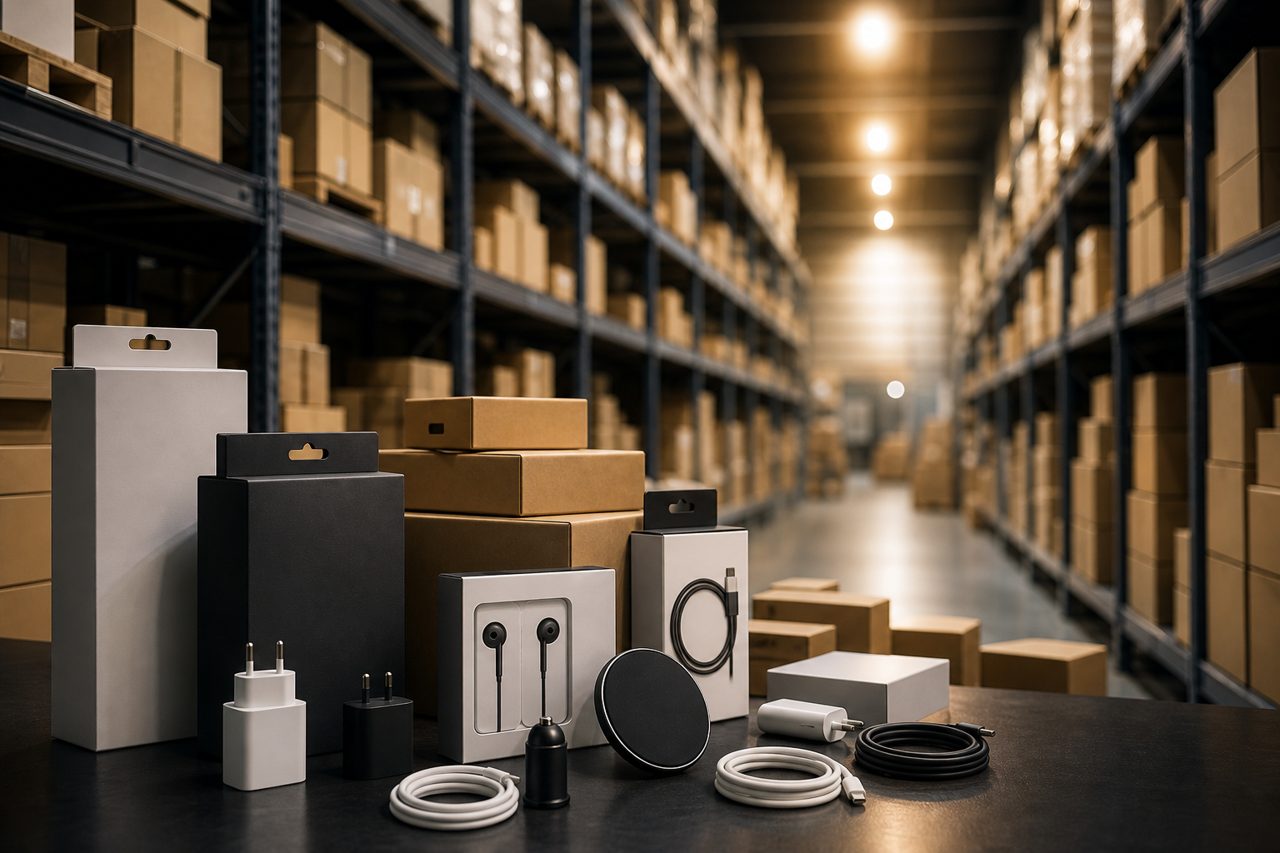
For a buyer evaluating whether to trust a new brand with a purchase, visible compliance signals - accurate CE and FCC claims covered in our CE marking and FCC Part 15 guides, a clearly stated warranty period from our warranty design guide - function as credibility markers as much as legal requirements. A new brand with precise, verifiable compliance claims reads as more trustworthy than an established one with vague or padded documentation, which is a lever new brands can use to compete against bigger, less careful competitors.
Where a source supply-chain service provider fits into the brand story
Some new brands worry that disclosing a source supply-chain service provider as the manufacturing partner undermines the brand story, when in most categories the opposite is closer to true. Buyers researching a new brand increasingly value transparency about sourcing over the pretense of a fully in-house operation, particularly in a category where informed customers already know most sellers source from the same general region. A brand page that states plainly where and how a product is made, backed by real certification documentation, tends to read as more credible than one that stays vague about manufacturing to preserve an image of full vertical integration it does not actually have.
Consistency over volume in early brand-building
A common mistake is expanding SKU count faster than the brand's positioning can credibly cover. Five tightly positioned SKUs with consistent packaging, accurate compliance claims and a clear customer story build more brand equity in the first year than twenty SKUs launched to fill out a catalog. Expansion should follow proof that the positioning resonates, not precede it.
How TECHORIGIN supports brand-building sellers
The same OEM tiers used across our catalog apply to brand launches: logo and packaging customization from 500 pieces per SKU through our OEM/ODM process, full housing customization from 1,000 pieces, with consistent compliance documentation across every SKU so a growing product line carries a uniform quality and certification story rather than a patchwork of claims. Sellers can validate individual SKUs through dropshipping before committing brand-level customization budget to any single item.
FAQ
Is positioning more important than product quality for a new 3C accessories brand?
Neither works alone. Positioning determines who notices the brand and why; quality determines whether that attention converts into repeat purchase. A well-positioned brand with mediocre products earns a fast first sale and a slow death from reviews; strong products with unclear positioning struggle to get noticed at all.
How many SKUs should a new brand launch with?
Fewer than most new sellers assume. A narrow launch of 3-5 SKUs that clearly express the brand's positioning outperforms a broad catalog with no coherent story, and each SKU should have already been demand-validated through prior dropship testing rather than launched cold.
How does TECHORIGIN support brand-building sellers?
Through the same OEM tiers used across the catalog - logo and packaging customization from 500 pieces, full housing OEM from 1,000 pieces - plus consistent compliance documentation across SKUs, which lets a brand's product line carry a uniform quality and certification story.