The Streaming Desk Bundle: Light, Cam, Mic in One Box
A first-time streamer does not want a webcam, a light and a microphone; they want to look and sound like the channels they watch. That gap between the parts and the outcome is exactly what a bundle sells. This article lays out bundle composition by tier, the packaging and assembly details that keep one-box kits intact, and the listing practices that keep the reviews green.
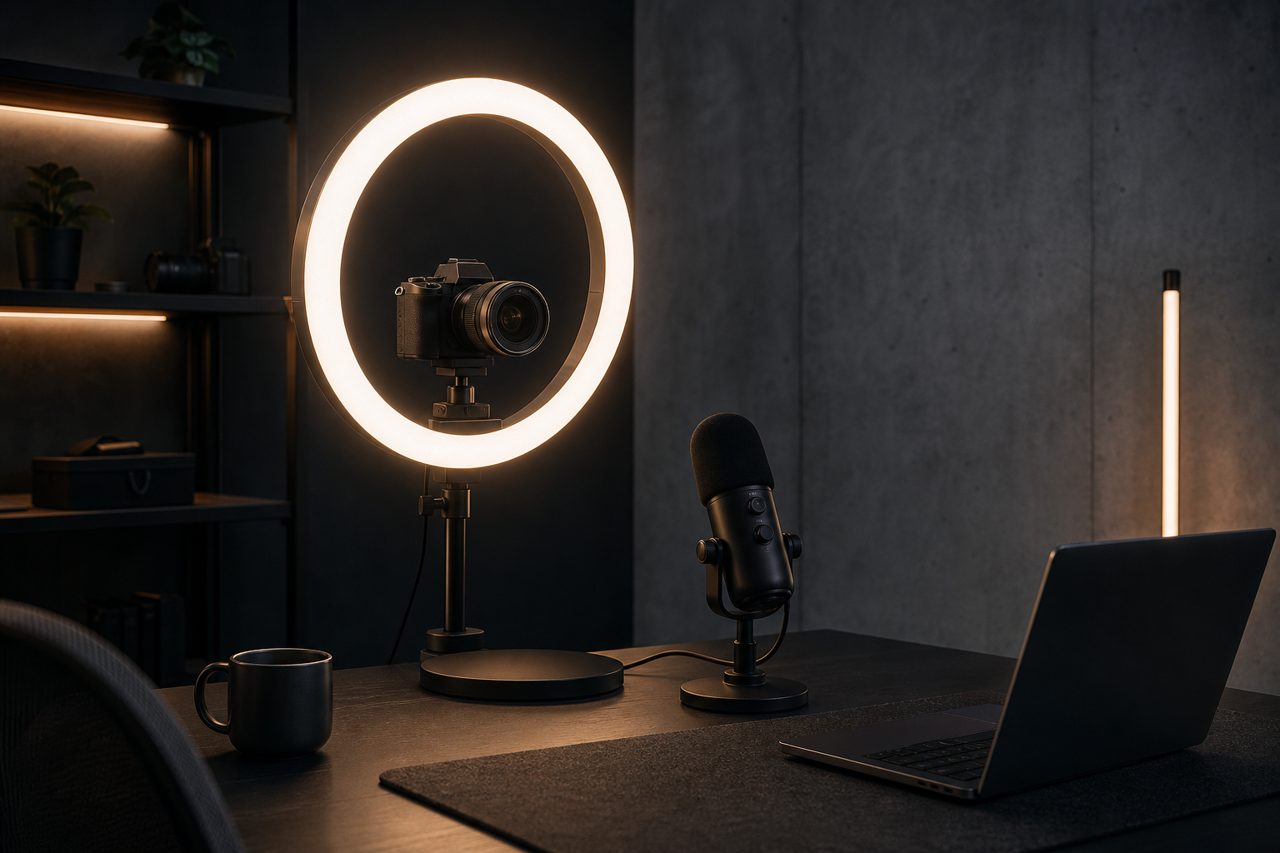
Bundles work in creator gear because the category punishes newcomers with jargon. Bitrates, color temperature, polar patterns and USB classes form a wall, and many buyers abandon at the wall or buy one wrong part, discover the mismatch, and blame the platform. A well-composed bundle removes the wall: it promises a working desk, not a parts list. For a seller, it also converts four catalog SKUs in one order, raises average order value without discounting, and creates a natural second product line beside individual components. The composition decisions matter more than the discount decision, which is where many first attempts go wrong: a bundle is a product you design, not a coupon you apply.
Who actually buys these kits
Three buyer groups dominate, and each reads the same listing differently:
- New streamers and remote workers. They buy the outcome and want one decision, not five. The listing should reassure them that every part works together, out of the box, with the ports they already have.
- Gift buyers. A creator kit is a legible gift in a way no single component is. Packaging carries extra weight here, because the box is part of the gift; the unboxing moment matters as much as the contents.
- Teams and small businesses. Internal training, webinars and customer calls recreate streaming problems in an office. This group buys in small multiples and asks about invoices, consistency and warranty rather than specs.
The third group is the quiet one: it rarely shows in keyword tools, but it orders repeatable quantities and churns least when the kit behaves.
Resellers sometimes treat bundles as a holiday tactic, but the desk kit behaves more like a standing category: demand tracks remote work and content-creation cycles rather than a single season, and a kit that stays listed accumulates reviews that keep selling through the year.
The kit list by tier
Keep tiers distinct by outcome, not by padding. Each tier answers a different buyer, and each component inside it must be good enough to survive the bundle's reviews on its own:
| Tier | Kit composition | Answers which buyer | Positioning note |
|---|---|---|---|
| Starter | 1080p clip-mount webcam; compact fill light; USB mic with desk stand; cables; one-page setup sheet | First-time streamers, students, gift buyers | Sell "a working desk tonight"; keep the box list short and legible |
| Standard | 1080p60 or 4K webcam; boom arm; USB mic; adjustable bi-color light; cable clips | Regular streamers, hybrid workers upgrading | The arm and light are the visible upgrade; lead the photos with the assembled desk |
| Advanced | 4K webcam; larger light panel; microphone with shock mount and boom arm; powered hub; cable channels | Committed creators, small studios, meeting rooms | Sell control and clean cable lines; this tier tolerates a longer component list |
Two composition rules hold across tiers. First, every kit needs a setup sheet — a single illustrated page that gets the buyer from box to live in minutes, and deflects the compatibility tickets that would otherwise land in support. Second, never bundle an unproven component: one weak part taxes the rating of all three, and bundle reviews read as verdicts on the whole box.
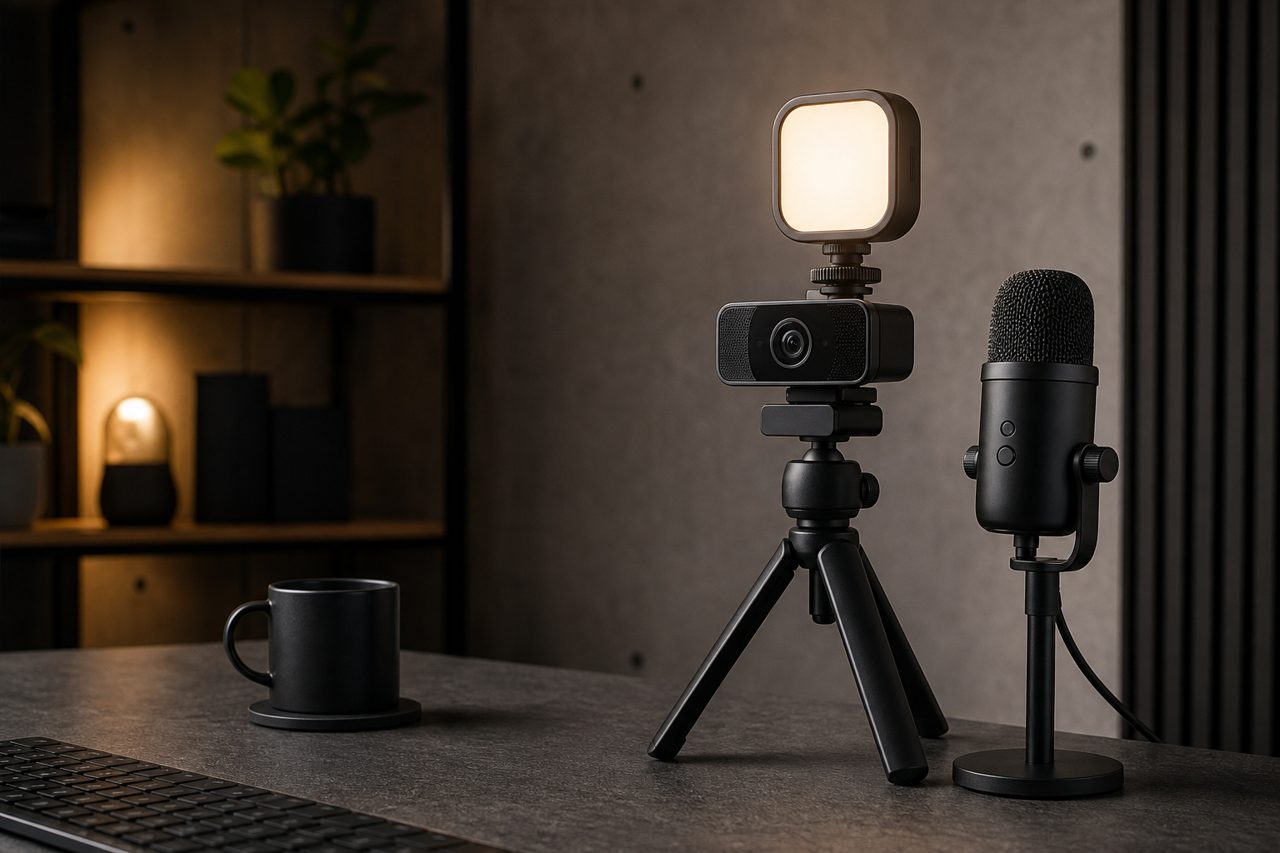
Packaging and assembly: the one-box reality
A bundle only works if it arrives as one box. Consolidated packing protects the margin: one carton, one label, one customs description, one delivery event. That requires a supplier who can kitting — picking the components, packing them into a single retail or e-commerce box, and shipping the kit as one SKU. Light customization of the box itself starts at 500 pieces per kit, which covers a branded carton and insert; full OEM packaging design runs from 1,000 pieces.
Design the box around the setup photo. The single strongest image on a bundle package is the assembled desk in use, because it shows the outcome the buyer is purchasing; component cutaways on the sides then answer the "what's inside" question. The insert card repeats the setup sheet and lists exactly what is in the box, which does more for returns prevention than any paragraph of listing copy.
Listing advice that keeps reviews green
- Anchor on the outcome. The first line sells the working desk, not the component list; the box list follows, not leads.
- State ports and hosts. Which USB class the kit assumes, whether a USB-C adapter or hub is included, and that the components work as standard USB devices with common streaming and meeting software — described factually, without borrowed brand names.
- Name the kit for the buyer, not the parts. "First-stream kit" and "hybrid-work kit" position the same hardware for different searches; part-number names position for nobody.
- Publish the box list verbatim. Exactly what is in the box, including cable counts and the setup sheet. Surprises are the raw material of returns.
- Photograph the assembled setup. Hero shots of the built desk, then the contents laid out. Both images answer different objections; the bundle needs both.
- Keep tiers honest. If the advanced kit's microphone is meaningfully better, say what the difference is in audible terms. Vague tier language pushes every buyer down a tier and invites disappointment at the one they chose.
Pricing the bundle
Price a bundle against the visible alternative: the sum of its parts bought separately on the same platform. The bundle's advantage is not a manufactured discount; it is the elimination of mismatch risk and the guarantee of a working combination, which buyers will pay a modest premium for once they have read one horror-story review about mixing parts. Two practices keep the math honest. Calculate the kit's floor from component cost plus kitting and freight before setting any retail anchor, and leave headroom for marketplace fees on the whole box, since one weak component can send the entire kit back. And resist discounting the bundle below the component sum on day one; if the kit cannot justify itself on outcome, the composition is wrong, not the price.
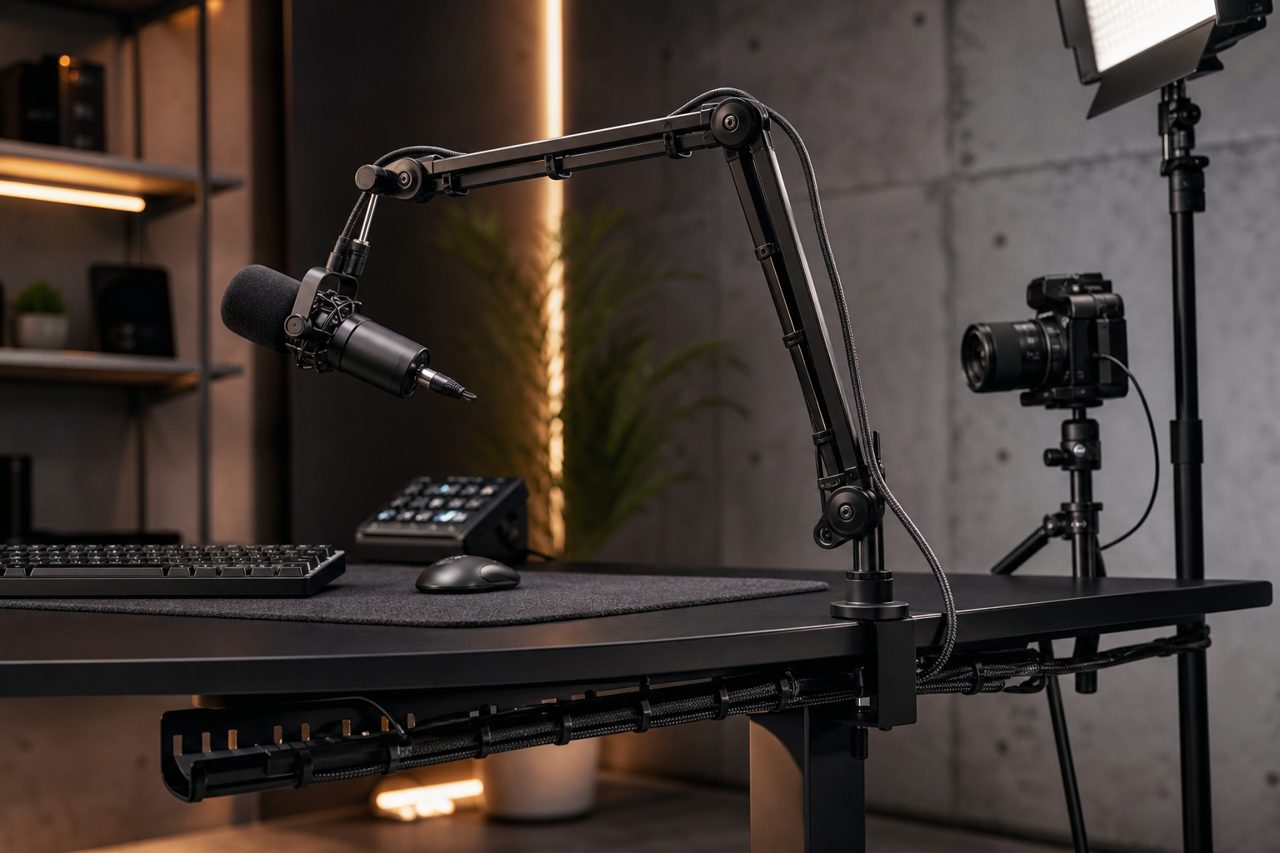
Fulfillment notes for bundles
Bundles change the logistics conversation in two places. Validation first: because a bundle combines existing SKUs, a single kit can be dropshipped in one piece to the seller's own address for a teardown and bench check before any volume commitment, with stock dispatched within 48 hours. Scale second: once a kit proves itself, pre-packed kits can sit in an overseas warehouse, where the last mile runs 2-5 days in the US and EU lanes, and transit damage is covered by photo-based replacement within 30 days of delivery. A kit is also the natural first candidate for private label: the box is the brand surface, and the components inside are already proven.
The sourcing bottom line
Sell the outcome, pack it as one box, and let every component survive its own reviews. Validate the first kit through one-piece dropshipping, then scale with pre-packed inventory; the light customization and OEM paths for branded boxes are on the OEM/ODM page, and the component families behind every tier sit on the creator gear category page. The USB microphone sourcing guide covers the single most specification-sensitive component in the box.
FAQ
What should go in a starter streaming desk bundle?
Three components cover the outcome: an honest 1080p clip-mount webcam, a compact light that fixes the dim-room problem, and a USB microphone on a simple desk stand, plus the cables they assume and a one-page setup sheet. Anything beyond — arms, second lights, capture devices — belongs in the next tier, where the buyer knows why they want it.
Are bundles more profitable than selling the parts separately?
They can be, but not through padding. Margin comes from removing choice paralysis and moving four units per order, which lowers per-order acquisition and shipping cost. The discipline is component selection: every part must survive the bundle's reviews, because one weak component taxes the rating of all three. Bundles from proven SKUs carry the best margin-to-return ratio.
How should a bundle listing describe compatibility?
State the ports and hosts, not brand names: which USB class the kit assumes, whether a USB-C adapter is included, and that components work as standard USB devices with common software. Describe tested behavior in plain language, and publish the box list verbatim. Compatibility clarity is the cheapest returns prevention a bundle can buy.