Selling Sleep Tracking: Who Buys Rings and Why
Sleep tracking is not bought by gadget people. It is bought by people with a problem: they wake up tired, they work irregular hours, or they worry about a partner who snores. That changes how the category should be bundled, photographed and worded. This guide maps who actually buys sleep wearables, why rings dominate the niche, four bundle structures that hold together, and the listing discipline that keeps sleep claims safe.
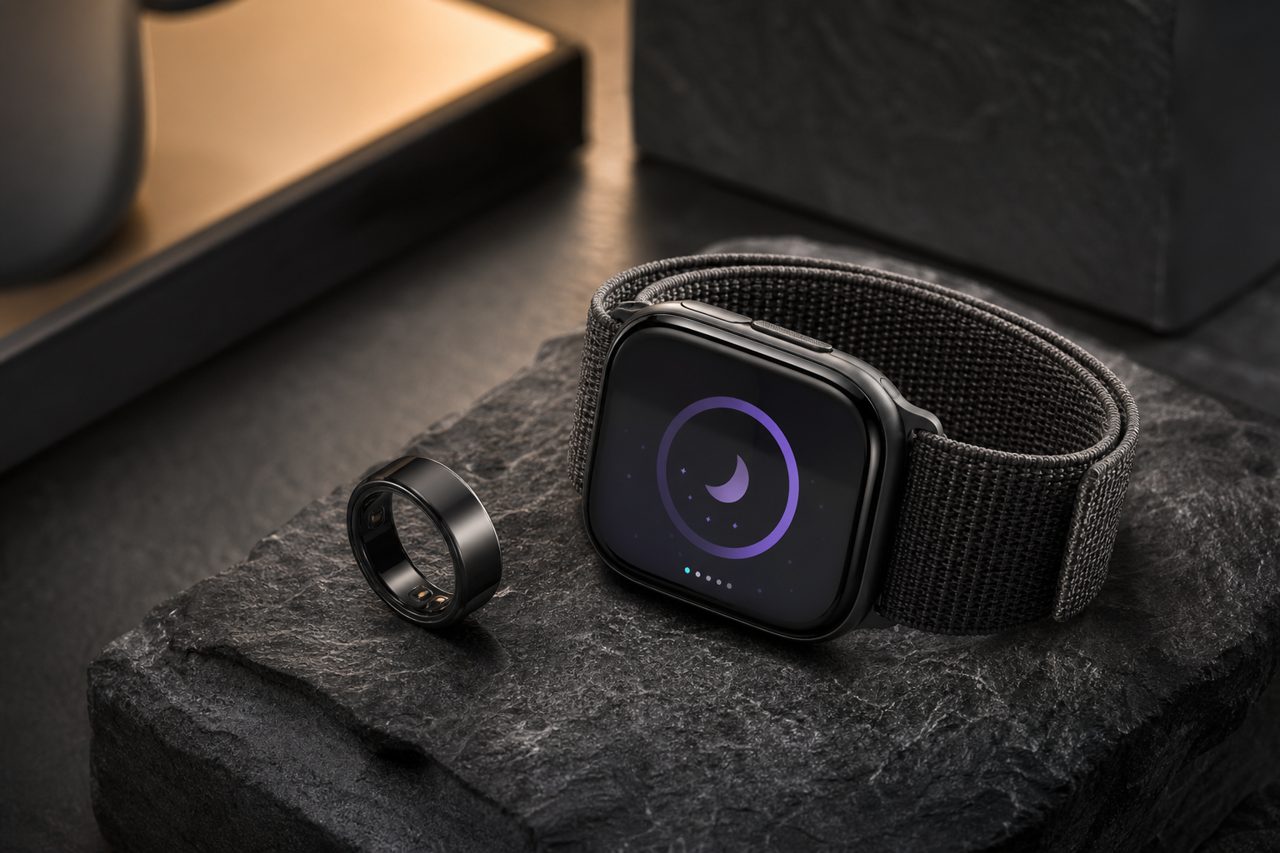
Who actually buys sleep wearables
Four buyer profiles keep appearing in the category, and each buys a different promise:
- The tired professional. Wakes unrefreshed and wants a morning report that explains the night. Buys understanding, in plain language, on the lock screen before the first coffee.
- The shift worker. Sleeps in fragments against the clock and wants the schedule made visible. Buys recognition of an irregular life, not an athlete's dashboard.
- The wellness tracker. Already counts steps and wants the night side of the picture. Buys completeness of a self-quantification habit and reads trends, not single nights.
- The gift buyer. Buys for a partner who snores or stresses. Buys care, and is the profile most likely to get sizing wrong without help.
The profiles matter commercially because they fail differently. The tired professional churns if the app is noisy; the gift buyer returns if the size is wrong; the shift worker returns if the app assumes everyone sleeps at eleven. A store that knows which profile each listing addresses can word, bundle and support accordingly.
Profiles are a targeting tool as much as a service map: creative, keywords and even colorway follow the profile, with the tired professional responding to calm, dark visuals and the gift buyer responding to occasion-first framing.
Why rings own the sleep niche
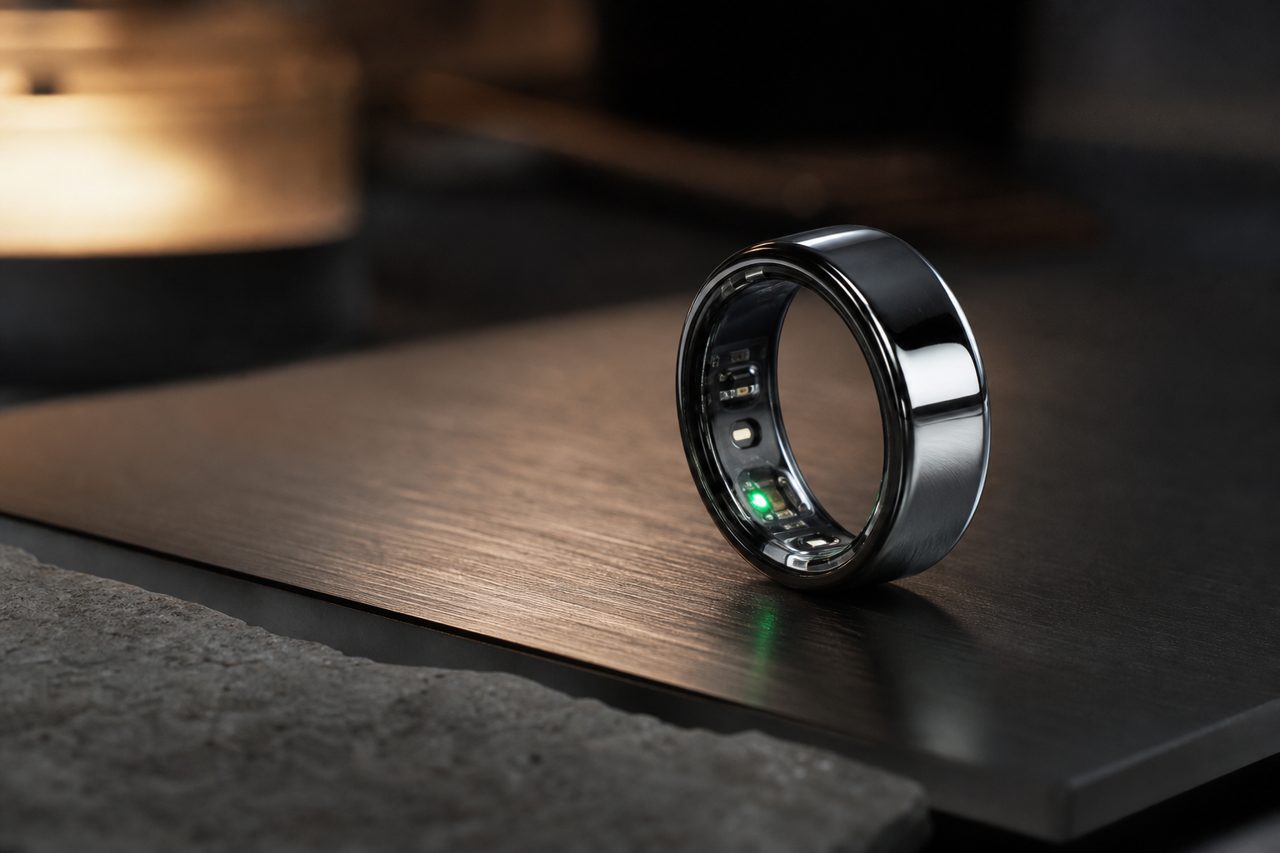
The ring wins on the three dimensions that matter between the sheets. It is physically quiet: no rigid watch body pressing into a wrist all night, which removes the most common complaint against wrist wearables during sleep. It charges on a weekly rhythm rather than a nightly one, so a full night of data is not sacrificed to a charging cable, and the seller does not have to explain why the device is on the dresser instead of the wrist. And it is discreet enough to wear in daylight, which keeps the habit alive after the novelty week.
The trade-offs are equally structural. A ring has no screen, so all communication runs through the app, and the app becomes the entire product surface; buyers should apply the app diligence any wearable deserves. Sizing is the ring's real barrier to purchase and its main return driver, which is why sizing strategy belongs in the bundle design rather than in a footnote. The returns-prevention mechanics are covered separately in the smart ring sizing kit guide, and the short version is that every sleep-ring bundle should resolve the size question before the device ships.
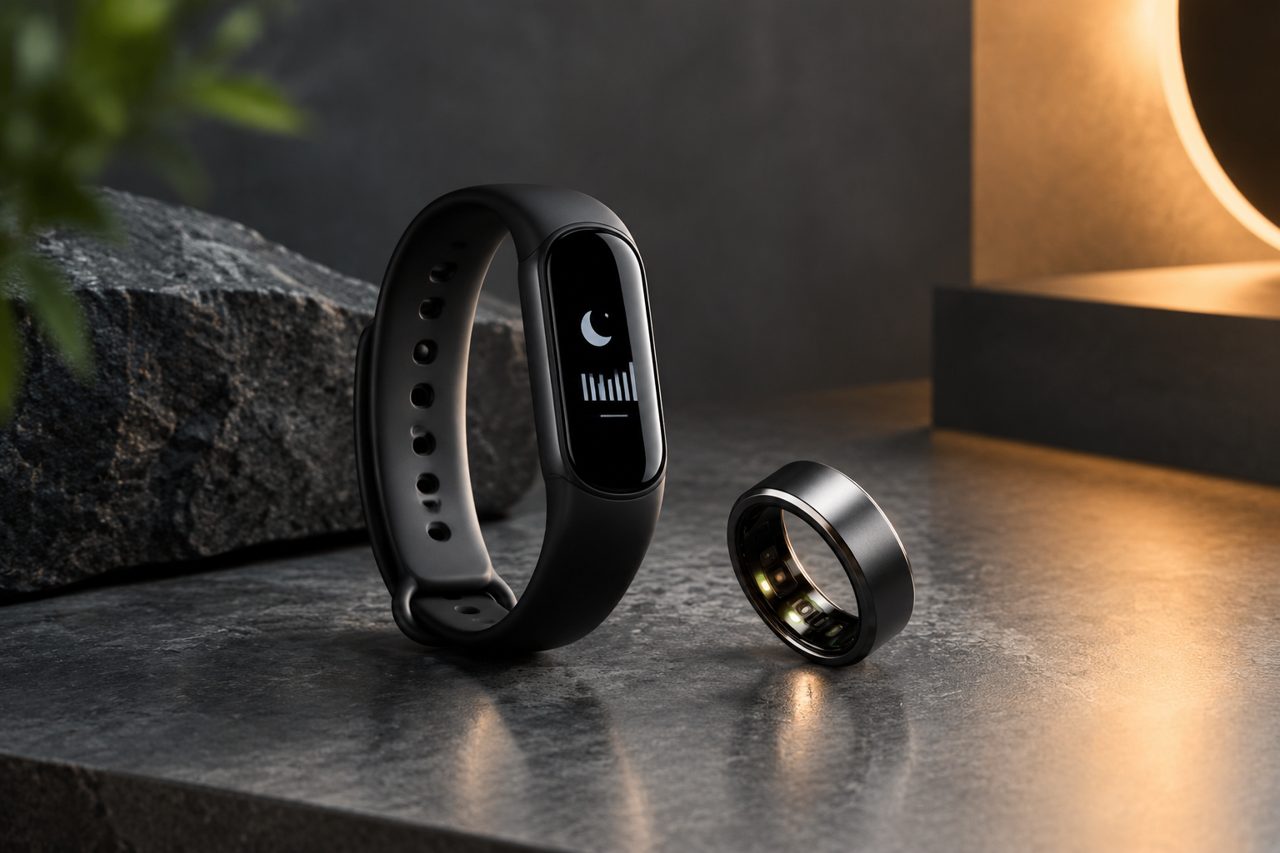
Four bundles that hold together
Bundles work when each item answers a reason to hesitate. Four structures cover the buyer profiles above:
| Bundle | Contents | Target buyer | Listing angle |
|---|---|---|---|
| Sleep Starter | Ring, charging dock, quick-start card, sizing-kit access | First-time tracker | Know your nights; size first, wear tonight |
| Sleep Duo | Two rings, two docks, paired app guidance | Couples | Morning reports you can compare over coffee |
| Traveler's Rest | Ring, compact dock, travel pouch | Frequent flyers, shift workers | A sleep record that crosses time zones with you |
| Gift Edition | Ring voucher, printed gift box, sizing-kit card | Gift buyers | Give the occasion, not a size you guessed |
Two assembly notes. The sizing-kit element is not optional in any of the four, because it is the single cheapest item in the box and the one that prevents the most expensive failure. And the docks and pouches are themselves accessory SKUs with their own margins; a bundle priced from component economics usually beats one priced from instinct.
Price the structures deliberately. Anchor each bundle at the device price plus a visible, named value for the accessories rather than an arbitrary discount; the named value preserves accessory margin while the total still reads as a deal. For the Gift Edition, hold the voucher version at the same level as the physical bundle, because for that buyer the occasion argument outweighs the savings argument.
Listing discipline for sleep claims
Sleep is the wellness category closest to medical territory, so the wording line matters more here than anywhere else in wearables. Describe what the device measures and shows: sleep duration, stages as trends, wake moments, a readiness-style summary. Never say the product diagnoses, treats or improves a condition; insomnia, apnea and therapy are regulated words, and their presence in a listing converts an accessory into an unapproved medical claim. Screenshots of a morning report, with honest-looking data, sell better than any adjective and carry none of the risk.
Set the two expectations that generate returns when left unstated. State the sizing path in the first screen of the listing, not the last: size first, then the device. State the battery rhythm as a habit, not a number: a weekly charge cadence described as part of the routine reads better than a spec that the customer later measures differently.
Photography should stage the promise, not the circuit board. The bedside frame with a dock and a phone screen sells the ritual; a discreet lifestyle frame sells the discretion. One morning-report screenshot inside the gallery is worth more than the entire feature list, because it shows the exact moment the product earns its keep. Keep every frame consistent with the wording rules: the screenshot shows trends and summaries, never a diagnostic-sounding panel.
Fulfillment notes for rings
Rings carry lithium cells, which routes them through the battery-ready air channel with a typical door-to-door window of 8-18 days, under the UN38.3 and IATA PI967 framework that the supplier's logistics sheet should confirm in writing. Sizing kits, being plastic and battery-free, travel the standard small-parcel lane in 7-15 days, which makes a natural sequence possible: kit first, device after the customer has sized. A store that stages the sequence explicitly turns a compliance constraint into a customer-experience feature. The staging is realistic because both lanes are stocked lanes: kits and devices held as stock leave the warehouse within 48 hours of order, so the two-shipment sequence adds seller complexity but no meaningful buyer wait.
Sourcing note
Ring SKUs, docks and sizing kits are all line items on the wearables category page; single units for photography, app rehearsal and sizing-kit workflow run through dropshipping without a volume commitment. Bundle branding, gift packaging and custom sizing-kit cards are light-customization subjects negotiated on the OEM/ODM page, starting at 500 units per SKU.
FAQ
Do customers need to wear a smart ring all day?
Not necessarily. For a sleep-focused buyer, night wear alone delivers the core value, and many customers remove the ring through the workday. The trade-off to state honestly is battery and habit: devices charged weekly fit night-only wear far better than devices charged nightly, which need daytime hours on the charger.
How do we handle sizing for gift purchases?
Never guess a ring size as a gift. Sell the gift as a digital or physical sizing-kit voucher: the recipient sizes first, then redeems the device. It converts a sizing gamble into an occasion, and it removes the size-related return that would otherwise follow the holiday.
What can we legally say about sleep data in listings?
Stay inside wellness language: describe what the device measures and displays, such as sleep duration and stages as trends, and avoid any statement that it diagnoses, treats or improves a medical condition. Words like insomnia or therapy belong to regulated medical territory that an accessory SKU is not certified to enter.