Smart Ring Sizing Kits: Returns Prevention That Works
A smart ring is the only wearable the customer cannot try on before buying, and the only one that must fit a single finger within a half-millimeter of comfort. That combination makes sizing the category's dominant return reason, and it makes a piece of molded plastic the most profitable ten grams in the product line. This guide lays out the sizing toolkit, the pre-purchase flow that resolves size before shipping, the exchange policy that handles the residue, and the operations that make all of it cheap.
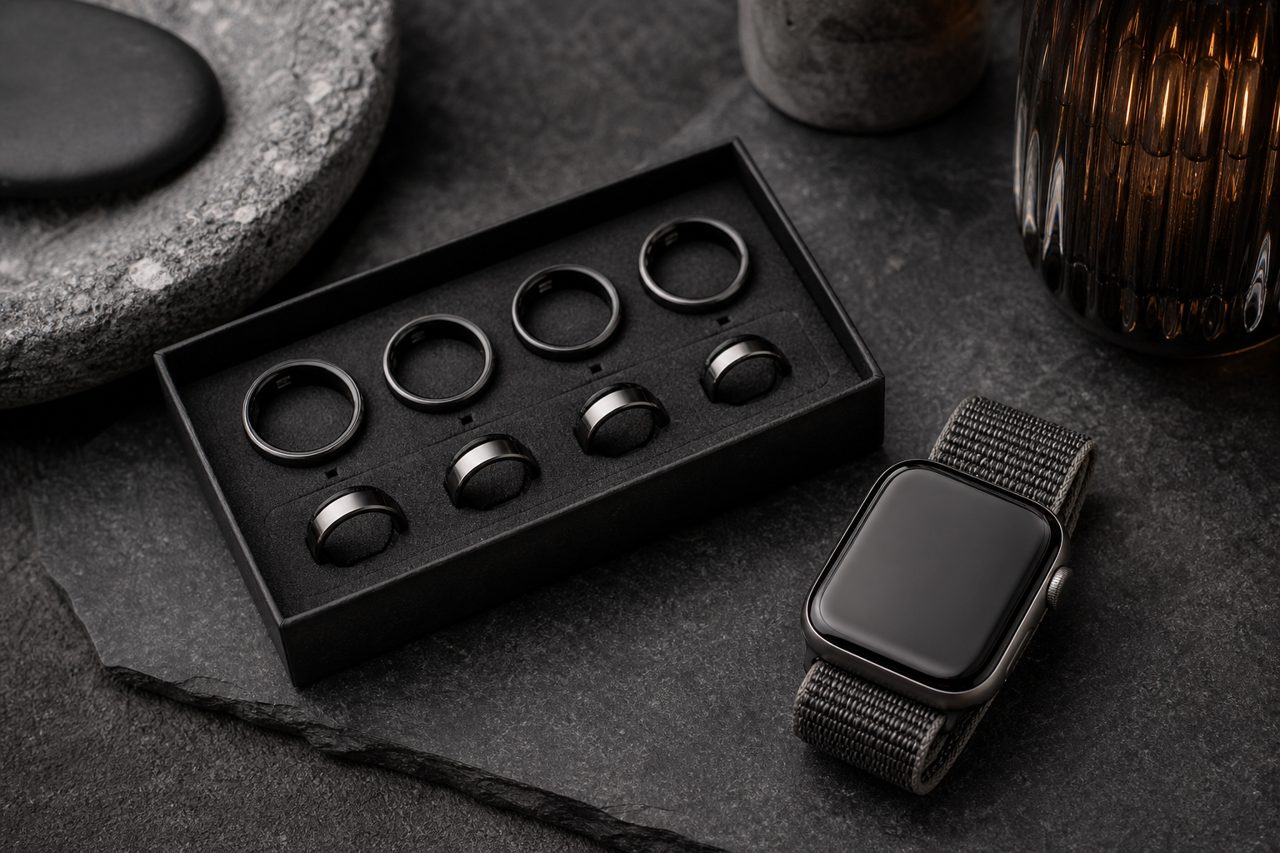
Why rings are a sizing business
Three facts stack into the problem. Fingers change: they swell through the day, with heat, with salt and with training, so a measurement taken once can be wrong tomorrow. Vendors differ: each smart ring family has its own size chart, so a customer who knows their size from another ring cannot safely reuse it. And hygiene rules the resale: a worn ring cannot go back on the shelf as new, so every size error becomes either a write-off or a refurbishment, not a restock.
Underneath sits an inventory consequence unique to the category: every ring SKU multiplies by every size, so a line of three finishes in a dozen sizes is three dozen stock positions to manage. A store that fixes sizing before shipping does not merely cut returns; it cuts the cost of holding the long tail of rarely needed sizes.
The toolkit
Four tools cover the job, and none is expensive:
- Disposable belt sizers. A plastic paddle with a series of keyed sizes the customer fits at home; cheap enough to include, accurate enough to trust, and reusable as a marketing card if printed well.
- A reusable sizing set. Sample rings in the vendor's own widths, kept for trade partners, retail corners and influencer kits, where the belt sizer's feel is not enough.
- The vendor chart, printed and linked. The mapping from measured circumference to ordered size belongs in the box of the kit, on the listing and in the checkout confirmation, because sizes transfer between brands only by chart, never by memory.
- A size-confirmation step at checkout. A single field that asks which size the kit indicated, which catches guessed orders before they become parcels.
Each tool belongs to a specific surface of the buying journey, which is how the kit stays cheap while the coverage stays complete:
| Tool | Lives in | Prevents |
|---|---|---|
| Disposable belt sizer | The kit parcel | Wrong guesses at the moment of purchase |
| Reusable sizing set | Partner and retail kits | Drifting verbal sizing advice in the trade |
| Printed vendor chart | Box, listing, checkout | Cross-brand size transfer from memory |
| Checkout confirmation field | The cart flow | Orders placed before any measurement |
One localization trap deserves its own line: letter sizes and numeric sizes are not dialects of one system. Regional ring-size conventions differ in both scale and starting point, so the chart must be rebuilt for each market rather than translated. The unit that travels safely is circumference in millimeters, with the vendor's table doing the conversion on both ends.
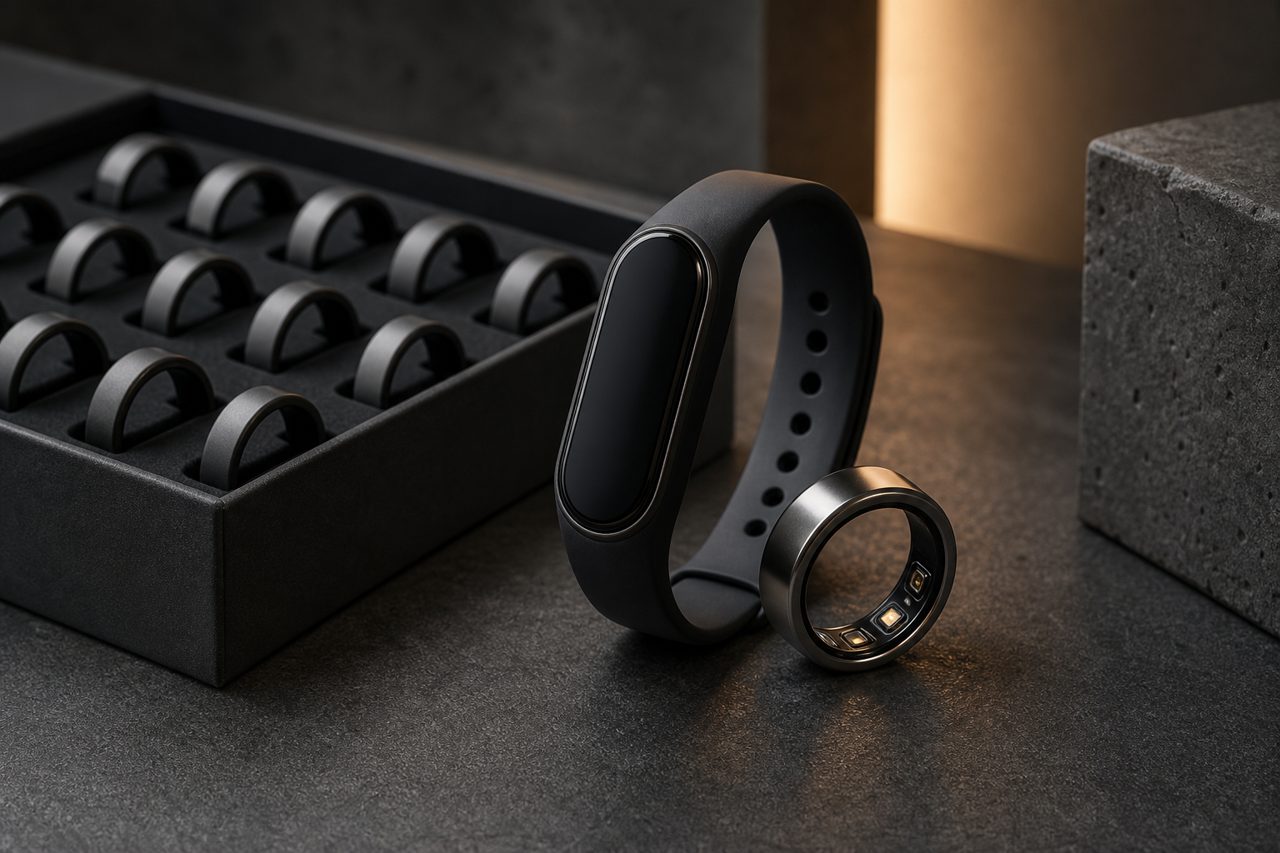
The returns-prevention flow
The tools only work inside a sequence. Run it end to end:
- Name the chart in the listing. State plainly that this brand's sizes are its own, and that the kit, not a memory of another ring, decides the order.
- Offer the kit first. A kit-first option at checkout ships the sizer ahead of the device; the buyer sizes over two evenings, then the ring ships.
- Teach the measurement. End of day, intended finger, hand at normal temperature, twice across two days; one line each in the listing, on the kit and in the confirmation email.
- Confirm the size at checkout. The confirmation field plus a visible promise of a free size exchange converts careful buyers and discourages guesses.
- Design the exchange before the first request. One free size swap per order, hygiene-grade cleaning on return, and the returned unit graded for refurbishment rather than restock.
- Log every size. The distribution by market tells you which half-sizes to pre-stock and which to keep thin; the data arrives free with every kit.
The sequence turns sizing from a risk into a ritual, and rituals, unlike risks, generate repeat purchases: the customer who trusts your sizing buys the next finish without re-measuring.
Treat the kit as media as well. It is the first physical object the brand puts in the buyer's hand, it arrives when attention is highest, and a printed thank-you beside the measurement instructions turns a utility into a small unboxing moment that customers photograph and share without being asked.
Exchange policy, in plain terms
Policy is where sizing returns are won or lost after the fact. The workable frame is one free size exchange per order, requested within a stated window, with the first device returned for grading rather than resale. Say the hygiene rule out loud, in the policy and in the listing: worn rings do not return to the new shelf, they are cleaned, reset and regraded. Buyers respect a policy that explains itself, and the one-line explanation, "rings touch skin, so exchanges replace rather than restock," prevents the accusations that a silent policy invites.
Operations: two lanes, two speeds
Sizing kits are plastic and battery-free, so they travel the standard small-parcel lane in 7-15 days and cost little enough to send first. Rings carry lithium cells, so they ride the battery-ready air channel under UN38.3 and PI967, typically 8-18 days door to door, and stock orders leave the warehouse within 48 hours. The two speeds make the kit-first sequence natural rather than apologetic: the kit arrives while the buyer is still deciding, the ring follows sized and confident, and the store's returns queue never meets the size problem at all. Exchange data doubles as demand data along the way: every swap logs a size the first order missed, and a quarter of those logs reveals which sizes deserve shelf space.
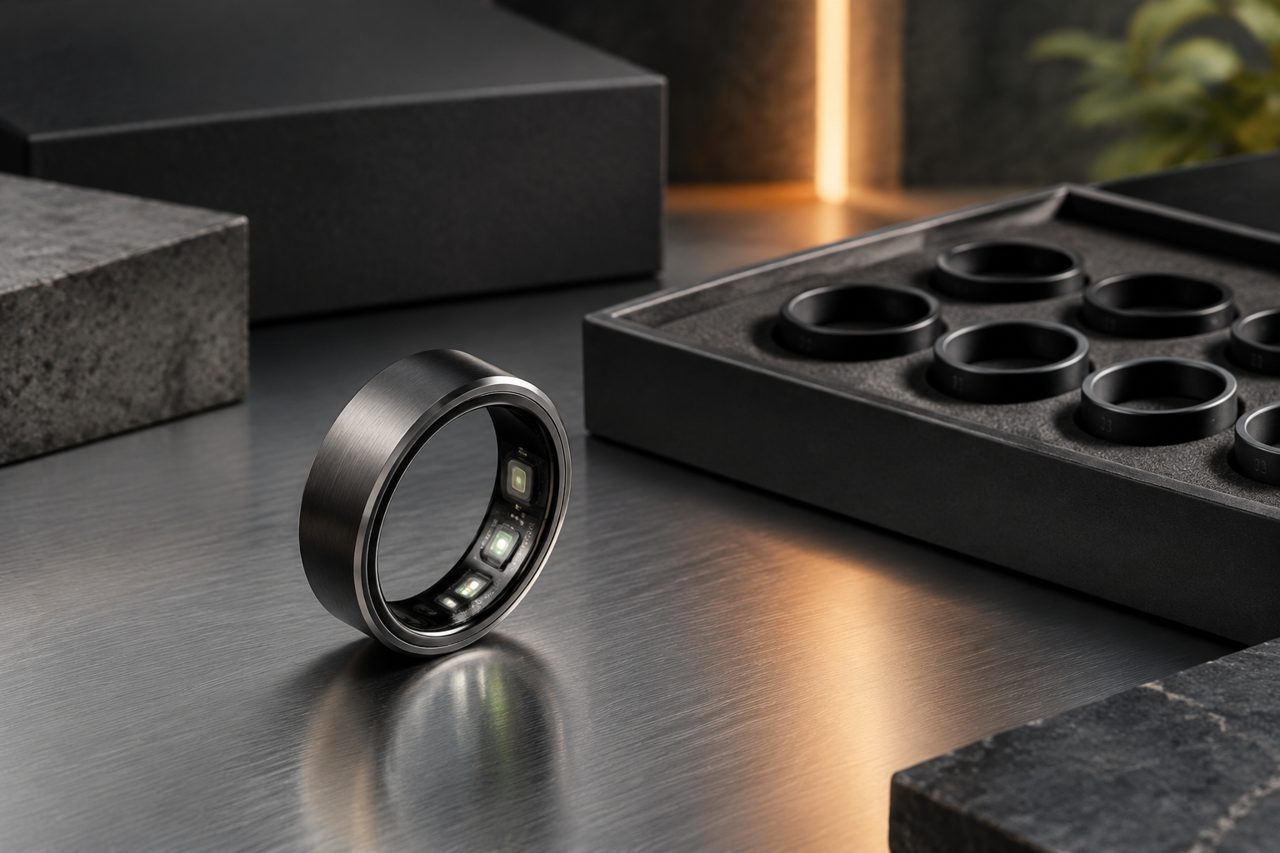
Sourcing note
Ring SKUs and standard sizing kits sit on the wearables category page; single kits and single rings for the workflow rehearsal ship one by one through dropshipping. Branded kit printing, custom size cards and packaging belong to light customization from 500 units per SKU, arranged on the OEM/ODM page with 5-7 day sampling.
FAQ
Should sizing kits be free?
Usually yes at a smart ring's price point, because the kit is the cheapest component in the funnel and the one that prevents the most expensive failure. If abuse becomes a pattern, a refundable deposit keeps the incentive intact: the buyer pays for the kit up front and the amount returns as a discount on the device order.
What should a customer do between two sizes?
Measure the intended finger at the end of the day, on two separate evenings, since fingers swell through the day and across seasons. If the measurement still sits between two sizes, follow the vendor's own chart guidance, and lean toward the size that slides over the knuckle with mild resistance, because a sensor ring needs skin contact to read well.
Can opened smart rings be resold after a return?
No, not as new. Worn rings are a hygiene category, so the policy should promise a size exchange rather than a restock, and returned devices become refurbished or replacement stock after inspection and a factory reset. Writing this rule into the policy up front prevents the awkward conversation after the first return.