Battery Shipping Compliance: PI965, PI966, PI967 in Practice
Every power bank, TWS earbud and smartwatch a buyer imports contains a lithium battery, and every lithium battery is a dangerous good under international transport rules. This guide translates the IATA packing instructions that govern that shipment into what a buyer actually needs to check.
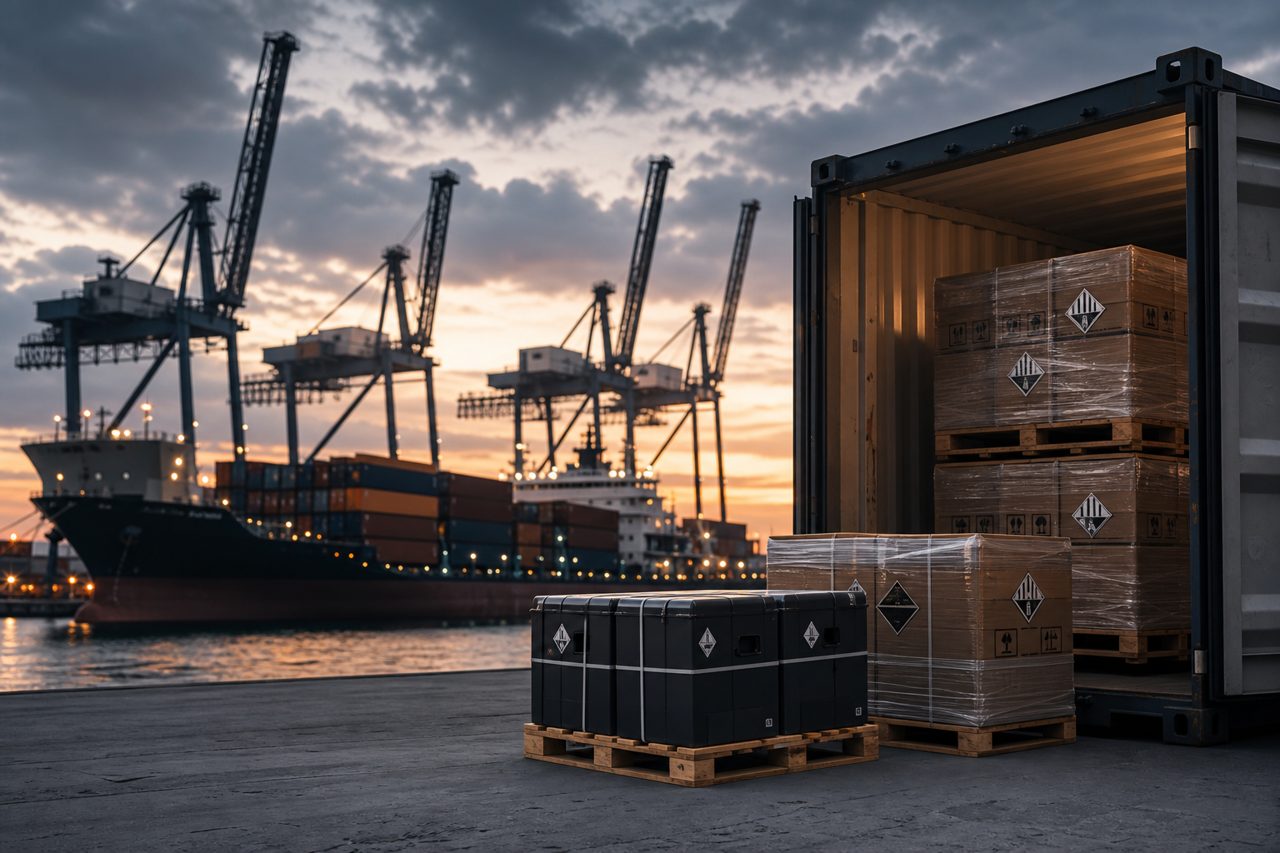
Lithium batteries are classified as Class 9 dangerous goods under the IATA Dangerous Goods Regulations because a damaged or short-circuited cell can overheat and ignite. That classification is not a formality - it drives real packaging requirements, documentation, and carrier acceptance rules that determine whether your shipment moves on schedule or gets held at a hub.
The three packing instructions, in plain terms
| Packing Instruction | Covers | Typical 3C accessory examples |
|---|---|---|
| PI965 | Lithium-ion cells or batteries shipped by themselves, not packed with or in equipment | Replacement power bank cells, bulk battery components for repair |
| PI966 | Batteries packed alongside the equipment they power, but not installed inside it | A wearable shipped with its charging dock battery packed separately in the same carton |
| PI967 | Batteries installed inside the equipment they power | Power banks, TWS earbuds and charging cases, smartwatches - most finished 3C accessories |
Most 3C accessories buyers deal with PI967, since the battery ships as an installed part of a finished product. The distinction matters because each instruction sets different limits on cell quantity per package, state-of-charge requirements, and labeling, which your supplier's logistics team - not you - is responsible for applying correctly.
What UN38.3 actually certifies
UN38.3 is not a product safety certificate in the way CE or FCC are. It is a battery-specific test series - covering altitude simulation, thermal cycling, vibration, shock, external short circuit, impact, overcharge and forced discharge - that a specific cell or battery model must pass before it can be transported at all. The output is a UN38.3 test summary document, which should name the exact cell model and be traceable to an accredited test lab.
When comparing suppliers, ask for the UN38.3 test summary for the specific battery model in your SKU, not a generic statement that "our batteries are UN38.3 compliant." Cell models change between production batches, and a summary tied to an old cell revision does not cover a new one.
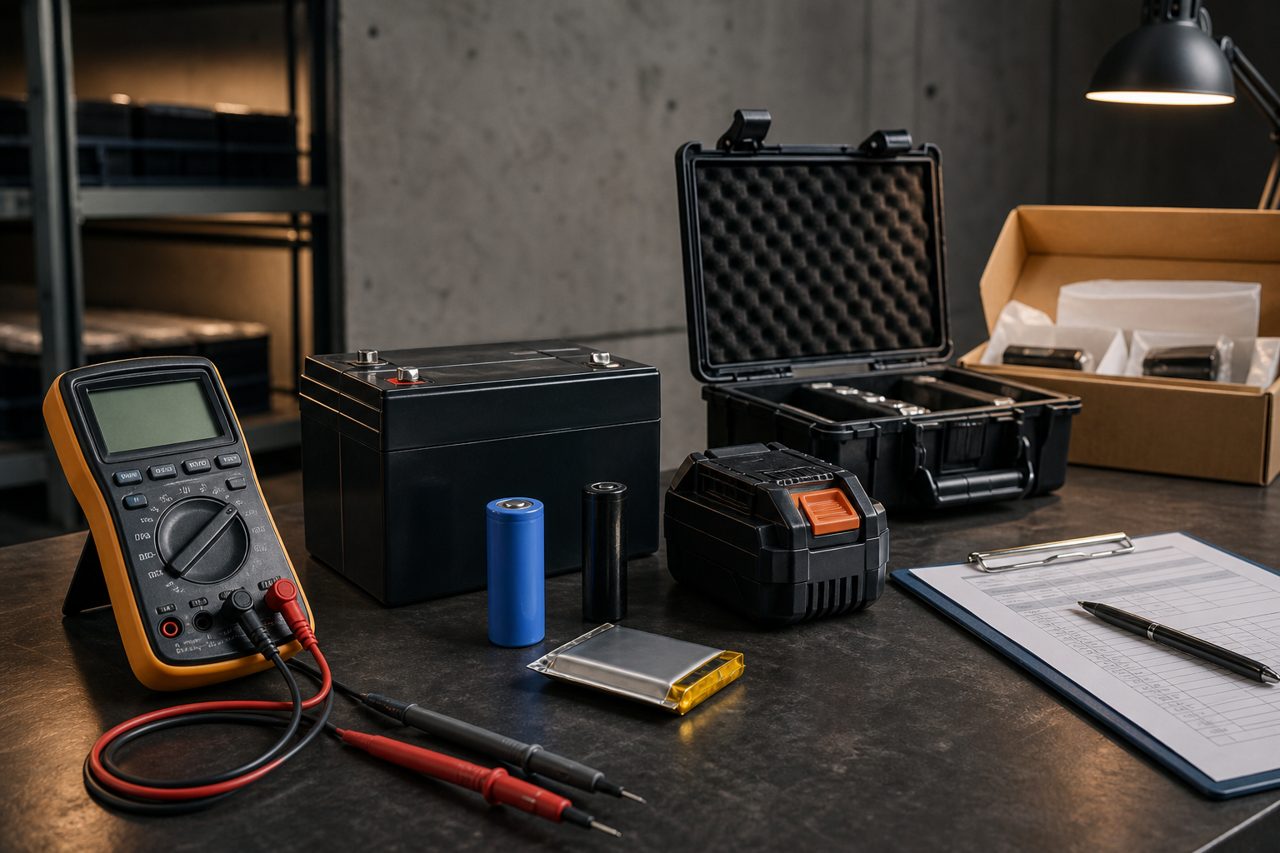
State of charge and the 30% rule
A separate rule limits lithium-ion cells and batteries shipped alone (under UN3480, the dedicated air transport designation) to a state of charge no greater than 30 percent, reducing the energy available if a cell is damaged in transit. This mainly affects PI965 shipments of standalone cells; batteries installed in finished equipment under PI967 are typically shipped closer to normal charge levels because the equipment's own protection circuitry is considered part of the safety case.
Common mistakes buyers make with battery documentation
The most frequent error is treating UN38.3 as a one-time certification for a product line rather than a per-cell-model document. A supplier switching to a new battery cell supplier - often to manage cost or availability - needs a fresh UN38.3 summary for that specific cell, even if the finished product's outward appearance and marketing spec sheet do not change. A buyer who accepts an old UN38.3 summary without confirming the current cell model is carrying compliance risk without realizing it.
A second common mistake is assuming that a product cleared for one transport mode is automatically cleared for another. Sea freight, air freight and courier services can apply different practical requirements on top of the baseline IATA and IMDG (for sea) rules, and a shipment that moved without incident by sea is not proof that the same documentation satisfies an air carrier's acceptance criteria. Confirm the transport mode with your logistics partner before assuming documentation is portable across modes.
A third mistake is confusing a Material Safety Data Sheet (MSDS) with a UN38.3 test summary - the two documents serve different purposes and are not interchangeable. An MSDS describes handling and chemical hazard information for a substance; it does not demonstrate that a specific battery model passed the UN38.3 test series required for transport. A supplier who offers an MSDS in place of a UN38.3 summary when asked for battery test documentation is either confused about the requirement or hoping the buyer will not notice the difference.
What this means for lead times
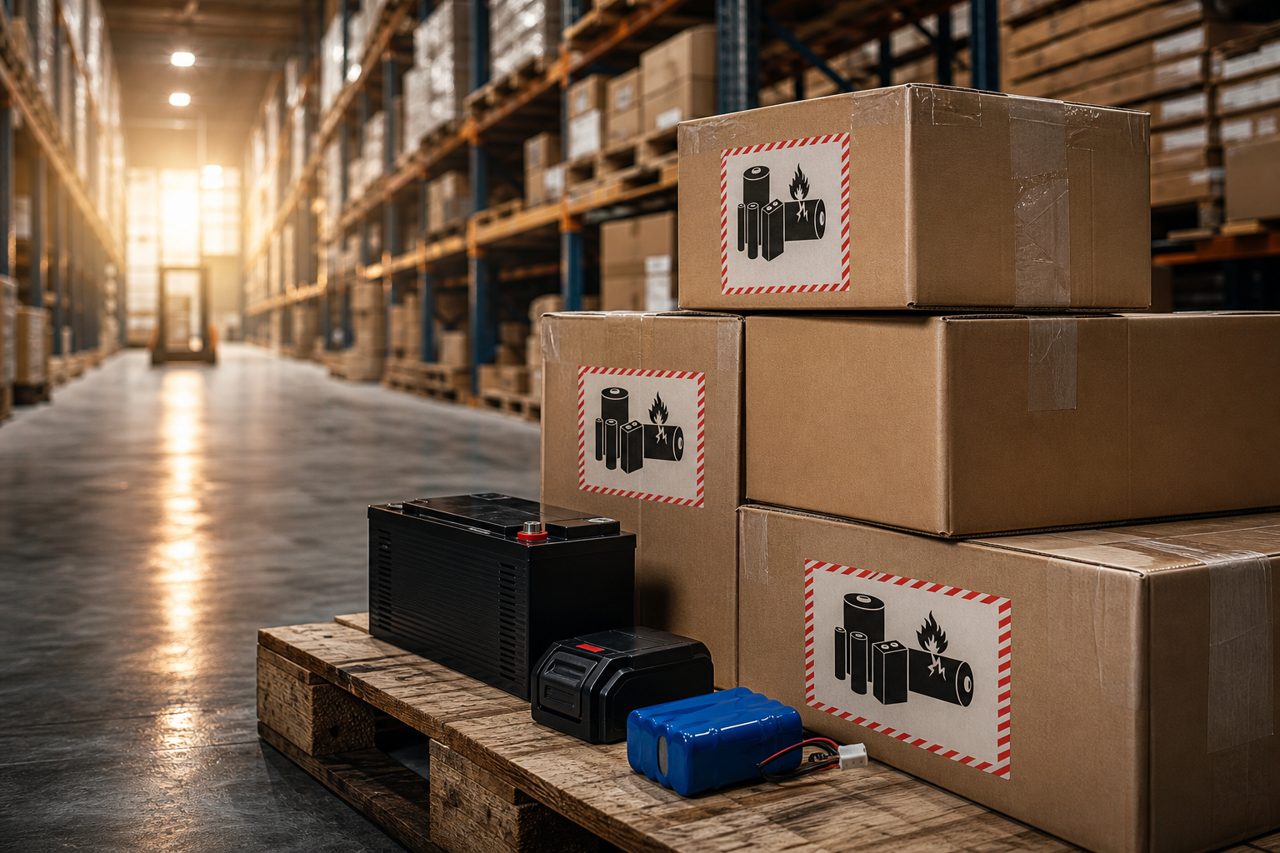
Battery-inclusive shipments move through a separate logistics lane from non-battery accessories. Standard parcel shipping for items like cases or cables typically runs 7-15 days to major Western markets; battery-inclusive items following PI967 documentation typically run 8-18 days, reflecting additional carrier acceptance checks and, in some lanes, a preference for sea freight over air for larger battery shipments. Build this gap into customer-facing delivery estimates rather than promising the same window across your whole catalog.
What to verify before you place an order
- UN38.3 test summary naming the exact cell model, from an accredited test lab.
- Confirmation of which packing instruction (PI965/966/967) applies to your specific shipment configuration.
- Watt-hour rating printed on the battery, which determines quantity limits per package under IATA rules.
- Whether your marketplace (Amazon, eBay, etc.) has additional battery listing requirements beyond the shipping documentation - these are separate from IATA rules and enforced independently.
- Marketplace-specific battery labeling requirements for the destination country, which can differ from the shipping label itself.
Marketplace battery policies beyond IATA
Meeting IATA and carrier shipping requirements is necessary but not always sufficient for marketplace compliance. Amazon, for example, maintains its own battery and hazmat review process for listings involving lithium batteries, separate from and in addition to the underlying transport regulations, and can require its own documentation upload before a listing goes live or before FBA will accept inbound battery-inclusive inventory. Treat marketplace-specific battery requirements as an additional layer to check per channel, not a formality that the UN38.3 summary automatically satisfies.
How TECHORIGIN handles this
Every battery-inclusive SKU we ship - power banks, TWS earbuds and cases, smartwatches - carries a UN38.3 test summary maintained per product and moves through the dedicated 8-18 day battery lane under PI967 documentation, separate from the standard 7-15 day parcel lane. This applies equally to single-piece dropshipping orders and bulk shipments arranged through OEM production. For the charging category specifically, our power bank shipping guide covers the same rules with worked examples.
FAQ
Do I need UN38.3 testing for every battery-inclusive product I import?
Yes, in practical terms. Carriers and customs authorities expect a UN38.3 test summary for the specific cell or battery pack used in a product before it can move by air, and most sea and courier carriers now request it as well even though the original requirement targeted air transport.
What is the difference between PI965, PI966 and PI967?
They cover different shipping configurations under IATA's Dangerous Goods Regulations: PI965 covers lithium-ion cells and batteries shipped alone, PI966 covers batteries packed with equipment, and PI967 covers batteries contained in equipment - the configuration that applies to most finished 3C accessories like power banks and earbuds.
How does TECHORIGIN handle battery compliance for dropshipping orders?
Battery-inclusive SKUs ship through a dedicated 8-18 day lane that follows PI967 documentation and UN38.3 test summaries maintained per product, separate from the standard 7-15 day parcel lane used for non-battery accessories.