Wearable App Ecosystems: Why the App Decides Returns
The device ships in a box; the experience ships from an app store. For wearables, that split decides more returns than any hardware defect: a band that pairs in thirty seconds feels like a better product than an identical band that fails on the third retry, and a firmware bug fixed by an update never becomes a return at all. This guide maps what the companion app actually controls, where app-side returns begin, and what to ask a supplier before your brand is attached to someone else's software.
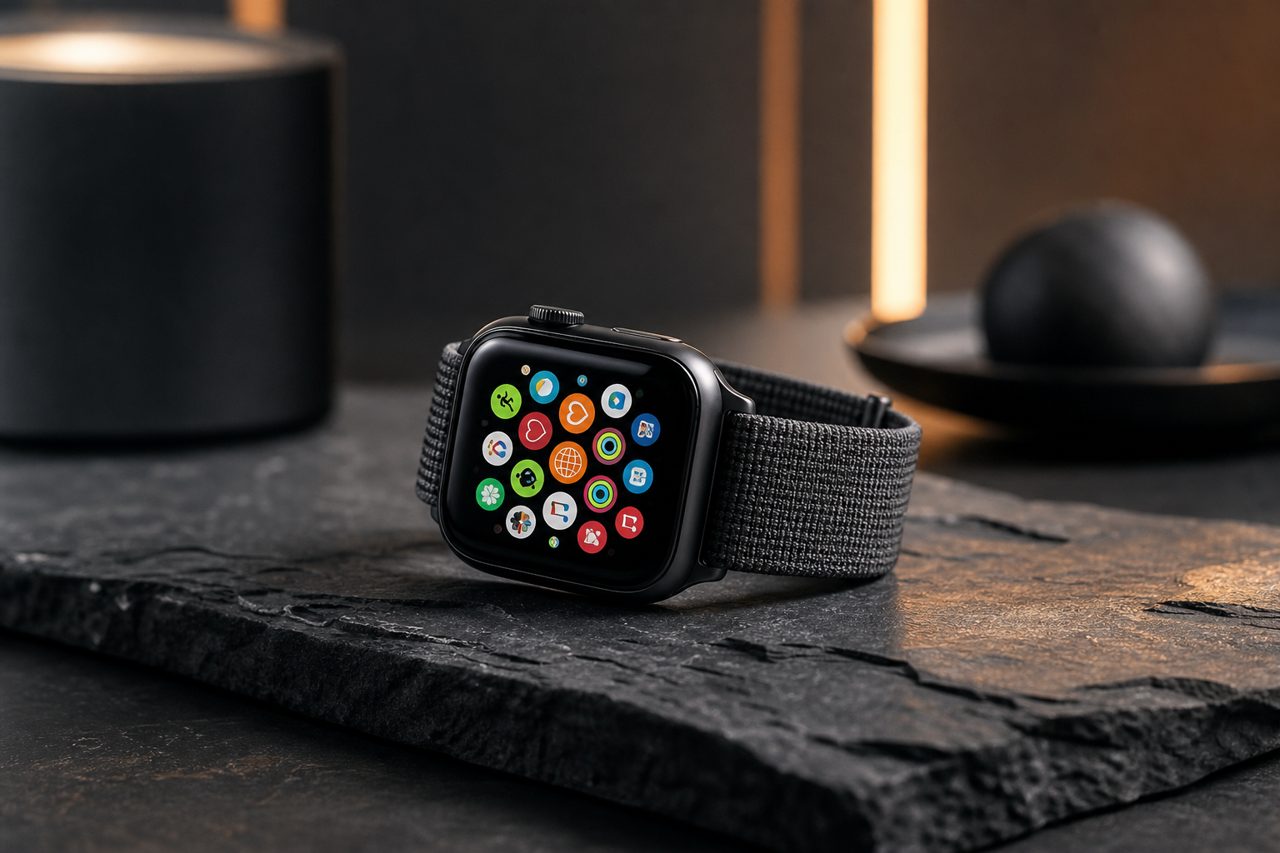
The device is half the product
A wearable without its app is a pedometer with a nice screen. Pairing, permissions, firmware updates, data history, notifications: the features customers believe they bought live in the software, not the silicone. That has a blunt commercial consequence. When the app fails, the hardware returns, because the customer has no way to know or care that the display and the sensor stack are fine. The seller's return rate on a wearable is therefore partly a software metric, set by a vendor the seller may never have spoken to.
The first-run experience carries most of this weight. The unboxing sets an expectation; the pairing flow either confirms it or breaks it. A flow that demands an account, seven permission grants and a firmware update before the screen shows anything is a flow that manufactures returns across every customer who is impatient, privacy-conscious or on an older phone. None of this appears on the specification sheet you negotiated, which is exactly why it needs its own line of questioning.
What the app actually controls
Built or white-labeled, the companion app owns the moments that decide whether a device gets kept. The table maps each capability to the failure it prevents:
| App capability | What it does well | What breaks without it |
|---|---|---|
| Reliable pairing flow | First connection succeeds on the first two attempts | The highest-frequency return reason in the category: cannot connect |
| Firmware OTA | Bugs get fixed in the field, silently | Every shipped defect is permanent, and repeats across the whole batch |
| Data history and export | Weeks of data accumulate into a reason to keep wearing it | Users lose interest once the data resets or cannot leave the app |
| Sensible permission requests | Each permission arrives when its feature needs it, with a reason | A wall of requests at install; privacy-minded buyers abandon and return |
| Multi-language interface | The app speaks your market's language at launch | Translated packaging around an untranslated app; reviews mention the mismatch |
| Account deletion and privacy policy | Users can leave cleanly, and requests have a documented path | Regulatory exposure in strict markets, plus one-star essays about lock-in |
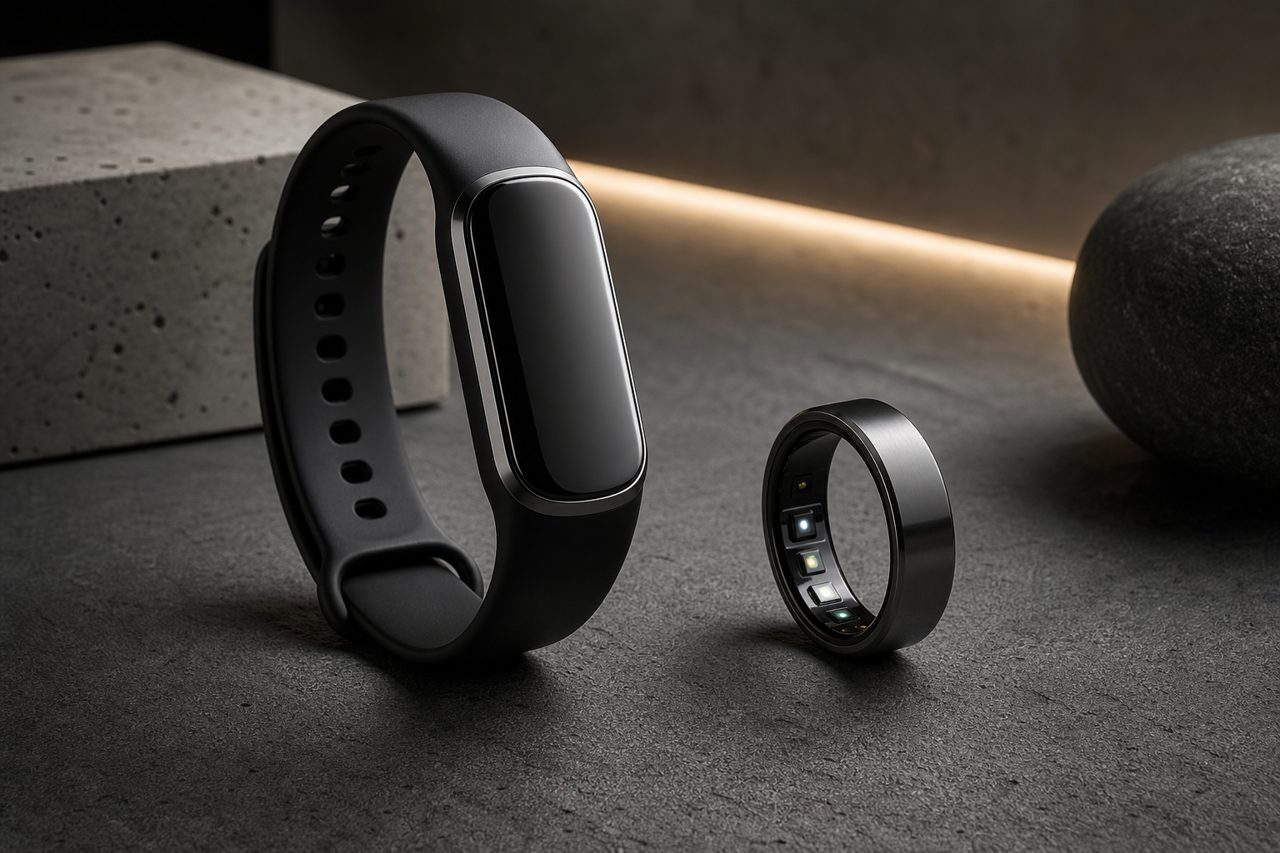
Where app-side returns actually begin
The pattern repeats across the category. A mobile operating system update changes how background connections behave; bands that relied on the old behavior stop syncing; the vendor publishes a fix in two weeks or never. In the gap, reviews accumulate, and every review written in the gap outlives the fix. Returns cluster not at the defect but at the discovery moment, which can be months after your purchase order has been fully paid and re-ordered twice.
The second pattern is the abandoned app: the vendor moved on to a new platform generation, the old app still lists but no longer builds for current phones, and your stock, wherever it sits, carries an expiration date nobody printed. The third is the permission wall, which converts privacy-conscious customers into returns at the exact moment the app demands contacts or precise location for no visible reason. All three are invisible in a sample inspection, which is why they must be screened in the store listing instead.
There is a fourth cost that never appears as a return at all: support load. Every app defect becomes an inbox message before it becomes a parcel coming back, and the hours a team spends walking customers through re-pairing are as real as the refund. When you price a wearable, price the support its app will generate, or the margin sheet will be lying by omission.
Questions to ask before you commit
Ask these in writing; the answers are due-diligence, not small talk:
- Which app ships with this SKU, under what name, and can the name, icon and developer branding carry your label?
- When was the last update released, and what is the current update cadence for both platforms?
- How does OTA work, and who pays for the bandwidth and the build when a bug fix must ship to all units?
- When are permissions requested, and can the flow be trimmed to what the feature set truly needs?
- Which languages ship at launch, and who pays for adding one?
- How are data deletion and export requests handled, and in what timeframe?
- What is the review rating by country, not just the global average that hides your target market?
- Does an account requirement exist, and is a guest mode possible?
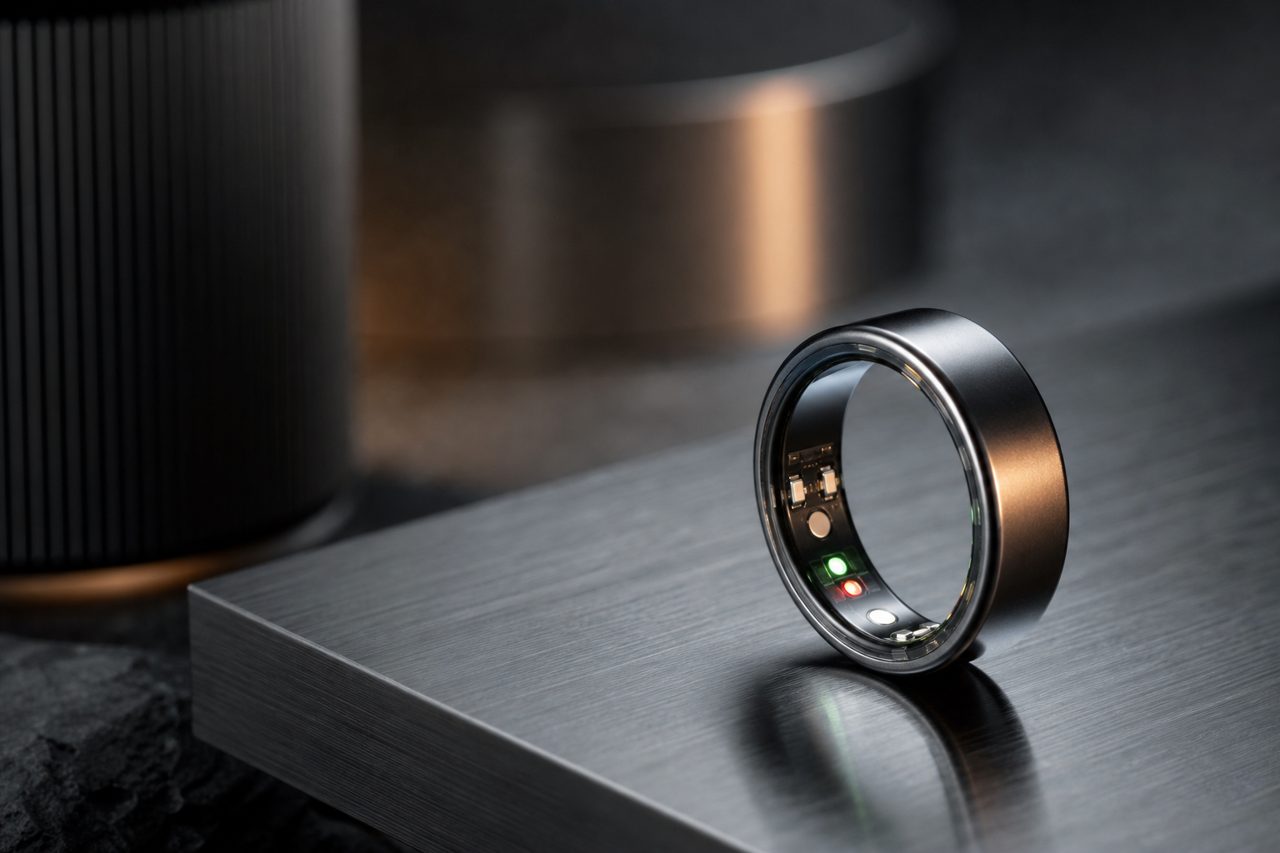
Reading the review section like a buyer
App store reviews are the closest thing this category has to a returns forecast. Filter by your target country, sort by recent, and read the one-star entries with one question in mind: hardware or software. Phrases about connection failures, sync gaps and update problems are software returns you would inherit; phrases about straps and charging are hardware discussions for the factory. The recency pattern matters more than the rating itself: an app that answered an operating-system update within weeks is a living product, while an app whose newest reviews all begin with the word updated is a product in decline.
Turn the reading into leverage. A documented review history becomes a negotiation instrument with the vendor: specific defects with dates, versions and market impact move a factory conversation further than any adjective. It also becomes listing insurance, because pairing friction you already know about can be defused with a setup card in the box, a line in the listing or a support page, all of which cost a fraction of the returns they prevent.
Sourcing note
App white-labeling, OTA policy and permission flow are all customization subjects, negotiated on the OEM/ODM page alongside the firmware build for your SKU. Two sample units ordered through dropshipping are enough to rehearse the first-run experience on a real Android and iOS phone before volume, and the current wearable lineup with its app support sits on the wearables category page.
FAQ
Can the app carry our own brand name?
Yes, as a customization item. App name, icon and listed developer branding are part of the OEM conversation, arranged alongside the firmware build for your SKU. Agree on it before sampling, because changing the app identity after launch means asking every installed user to migrate, and most will not.
What happens if the vendor stops updating the app?
The product quietly dies: a mobile OS update breaks pairing, the fix never ships, and the returns arrive months after the last sale. Ask for the update history and current cadence in writing, and weight the answer heavily, because an abandoned app is the one failure that no in-box quality can prevent.
Who handles data privacy requests, the vendor or us?
The customer contacts whoever sold the device, which is you. Deletion requests and data export questions will arrive in your support inbox even though the data sits in vendor infrastructure. Before volume, confirm in writing how the vendor processes such requests and how fast, then mirror that into your own policy.