Straps as a Business: The Attach-Rate Play
In phone accessories, the attach economy is enormous: the U.S. mobile accessories market alone was worth USD 21.66 billion in 2023, heading toward USD 34.22 billion by 2030, according to Grand View Research. The wrist runs the same mechanics on a smaller scale. Every watch sold is an installed base, every installed base wants a second strap, and straps are the rare accessory that customers buy on purpose, repeatedly, in colors. This guide treats straps not as packaging for a watch but as a product line with its own economics.
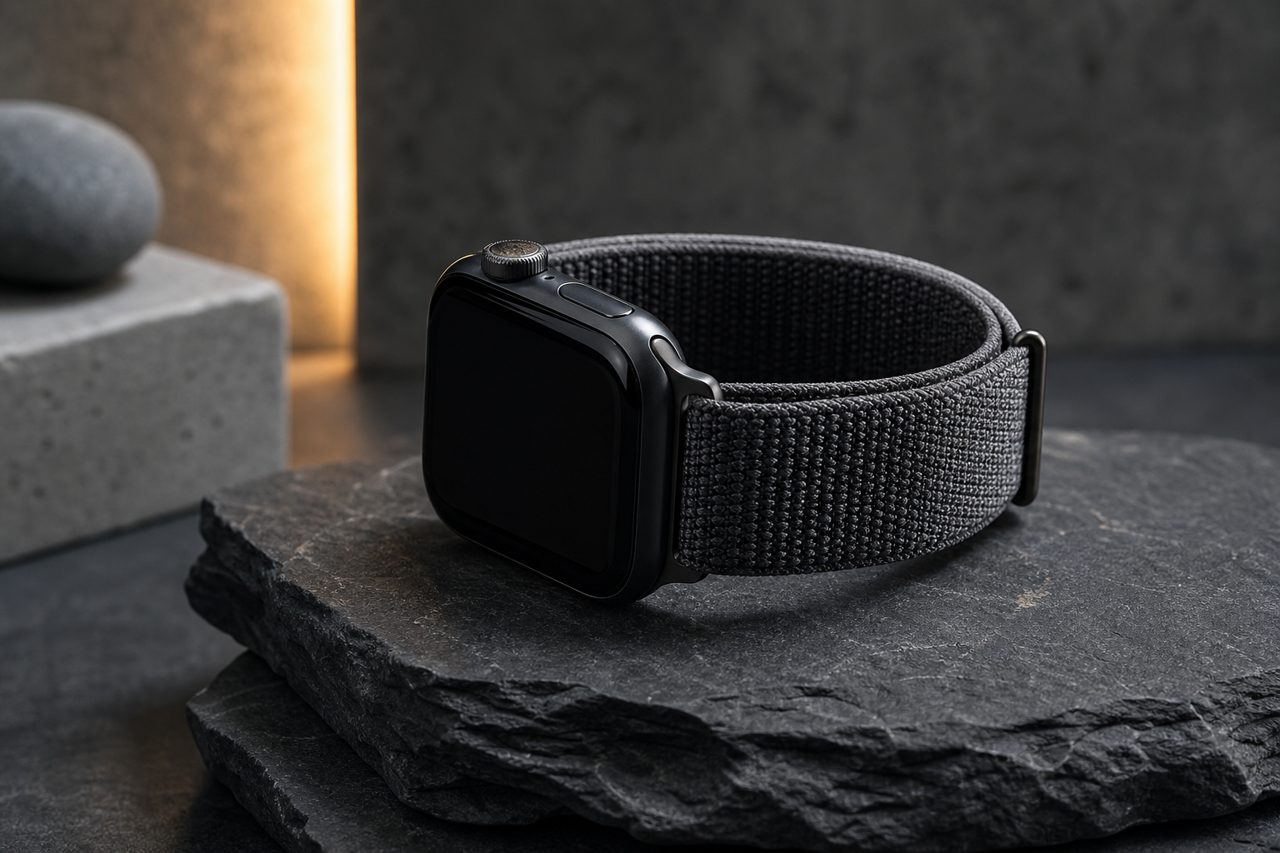
Why straps behave differently from devices
Straps carry no battery, which quietly upgrades the whole operation. They travel the standard small-parcel lane in 7-15 days instead of the battery-ready air lane, they pass customs without the lithium paperwork, and their defect surface is a buckle and a pin rather than a chipset. Margins behave differently too: a strap is a fashion purchase at an impulse price, which means repeat purchases are normal and a buyer who owns three straps is not an anomaly but the target customer.
The strategic term is attach rate: the number of straps sold per device sold. Stores that treat straps as an afterthought attach near zero, because the buyer never learns a second strap exists. Stores that surface straps at the purchase moment, in the cart and in the box insert, routinely reach one or more straps per device, and the strap line becomes a second revenue curve that does not depend on winning the next watch generation.
Inventory economics favor the line as well. Straps do not obsolete: a colorway may fade, but a standard-width silicone strap carries no firmware and no model year, so overstock is a slow problem rather than a write-off. They occupy little warehouse space, they survive rough handling, and a seasonal refresh takes new weaves and tones rather than new tooling. For a small store building inventory discipline, straps are the safest classroom in the accessories trade.
Know the interface before the material
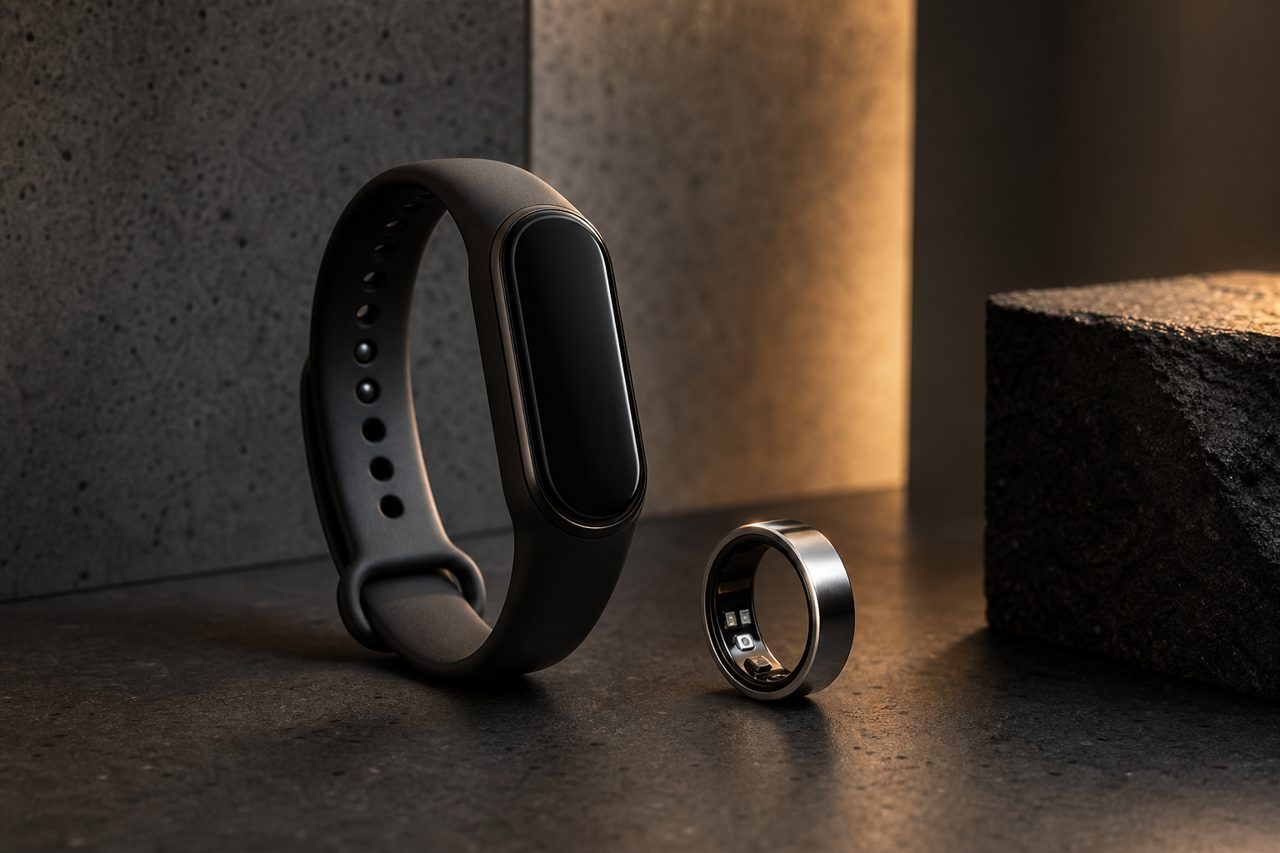
Every strap decision begins with the attachment, not the color. Two worlds exist: proprietary interfaces locked to a device family, and standard quick-release lug widths where a spring bar releases with a fingernail. Standard widths follow loose industry conventions, with the common lug sizes clustering in the high teens to mid-twenties of millimeters, and the measurement that matters is the distance between the lugs on the watch body. The interface decides everything downstream: a standard width opens an entire aftermarket, while a proprietary one concentrates demand on your own SKUs, which is either a moat or a ceiling depending on how many devices carry it.
For the seller, the practical rule is mechanical: record the exact lug width for every watch model you stock, keep it in the listing, and treat that number as the single most return-relevant specification in the strap business. Wrong-width ordering is the dominant strap return, and it is entirely an information problem.
Material tiers and what each one sells
| Material | Feels like | Best moment | Practical notes | Listing angle |
|---|---|---|---|---|
| Silicone | Soft, washable, sporty | Daily wear, workouts | Sweat-proof and easy to clean; color range sells it | The baseline second strap |
| Smooth TPU | Slimmer, dressier than silicone | Everyday, slim look | Check skin comfort on samples; cheap compounds drive irritation reviews | Lighter, thinner everyday option |
| Woven nylon | Textured, breathable | Seasonal color rotations | Prints and weaves carry fashion trends at low cost | The fashion layer |
| Leather | Warm, formal | Office, gifting | Ages visibly; set expectations honestly | The upgrade and gift pick |
| Metal link | Heavy, premium | Dress occasions | Costs more to ship; size adjustment needs a tool or a clear guide | Top-of-range statement piece |
The table reads as a merchandising ladder: silicone anchors the everyday price point, nylon carries the seasonal rotations, and leather and metal harvest the moments when a buyer wants the watch to look like something else. A range that starts at the top of this ladder sells slowly; a range that starts at silicone sells from the first week.
Bundle structures that move straps
Straps bundle well because the bundle answers the buyer's real question, which is never "which strap" but "which life am I buying for":
- The Second Day One: device plus one matching silicone strap at checkout; the cleanest attach-rate move, because it converts before habits form.
- Seasonal Trio: three woven nylon straps in the season's tones, boxed as one SKU; priced for the buyer who already owns the watch.
- The Nine-to-Five Swap: one leather and one metal-link strap for the office and occasions, angled at hybrid work.
- The Kids' Spare Pack: two silicone straps in loud colors for the household where straps meet playgrounds; positioned as replacement wear, not fashion.
Two rules hold across all four. The device listing is the shelf for every bundle, because that is where intent exists. And every bundle ships in the flat, light parcel that straps deserve, which keeps the economics honest at impulse prices.
Timing does the rest. The moment of highest attach intent is the device checkout itself; the second-best arrives a few weeks later, when the honeymoon has settled and the buyer has formed an opinion about the original strap. A box insert with the lug width printed large and the store address, plus one well-timed follow-up message, covers both moments at almost no cost.
Listing tactics specific to straps
The fitment table is the listing. Width, interface type and compatible watch models, in a small table above the fold, removes the majority of strap returns before they exist. Put the width in the title as well; buyers searching from a ruler in hand type numbers, not adjectives. Photograph straps on a wrist rather than flat where possible, because the wrist shot answers the fit question a product render cannot. And write the compatibility sentence in full, naming the models the strap fits and the ones it does not, since a short honest exclusion list reads as competence rather than limitation.
Sourcing note
Straps test cheaply: single units through dropshipping ship the standard 7-15 day parcel lane, so a width and material bet can be validated on real stock before any volume. Logo embossing, printed tips and custom boxes are light customization from 500 units per SKU with 5-7 day sampling, while buckle systems and interface changes are OEM subjects from 1,000 units, both negotiated on the OEM/ODM page. The watch models whose widths feed the fitment table sit on the wearables category page.
FAQ
How do we reduce wrong-width strap returns?
Put the interface in three places: the width in the product title, a fitment table in the listing, and an on-wrist photo captioned with the width. Wrong-width ordering is the dominant strap return, and it is an information problem, which means it is solved by repeating the specification until the buyer cannot miss it.
Which strap materials should a new store stock first?
Start with silicone in the device-matching color for the daily-wear baseline, add woven nylon in two or three seasonal tones as the fashion layer, and hold leather for the gifting and office moments. Metal link straps look premium but cost more to ship and suit a narrow slice of buyers, so they belong at the top of the range, not the middle.
What MOQ applies to logo-branded straps?
Strap printing, embossing and custom packaging are light customization, which starts at 500 units per SKU with 5-7 days of sampling. Structural work on buckle systems or proprietary interfaces moves into OEM territory from 1,000 units per SKU.