Smartwatch Sensor Accuracy: Heart Rate, SpO2 and Reality
Every smartwatch listing promises clinical-sounding numbers, and every returns queue contains buyers whose readings disappointed them. Between those two facts sits a small amount of optical engineering and a large amount of expectation management. This guide explains how wrist sensors actually work, why readings vary, and how a buyer can verify claims on samples before volume.
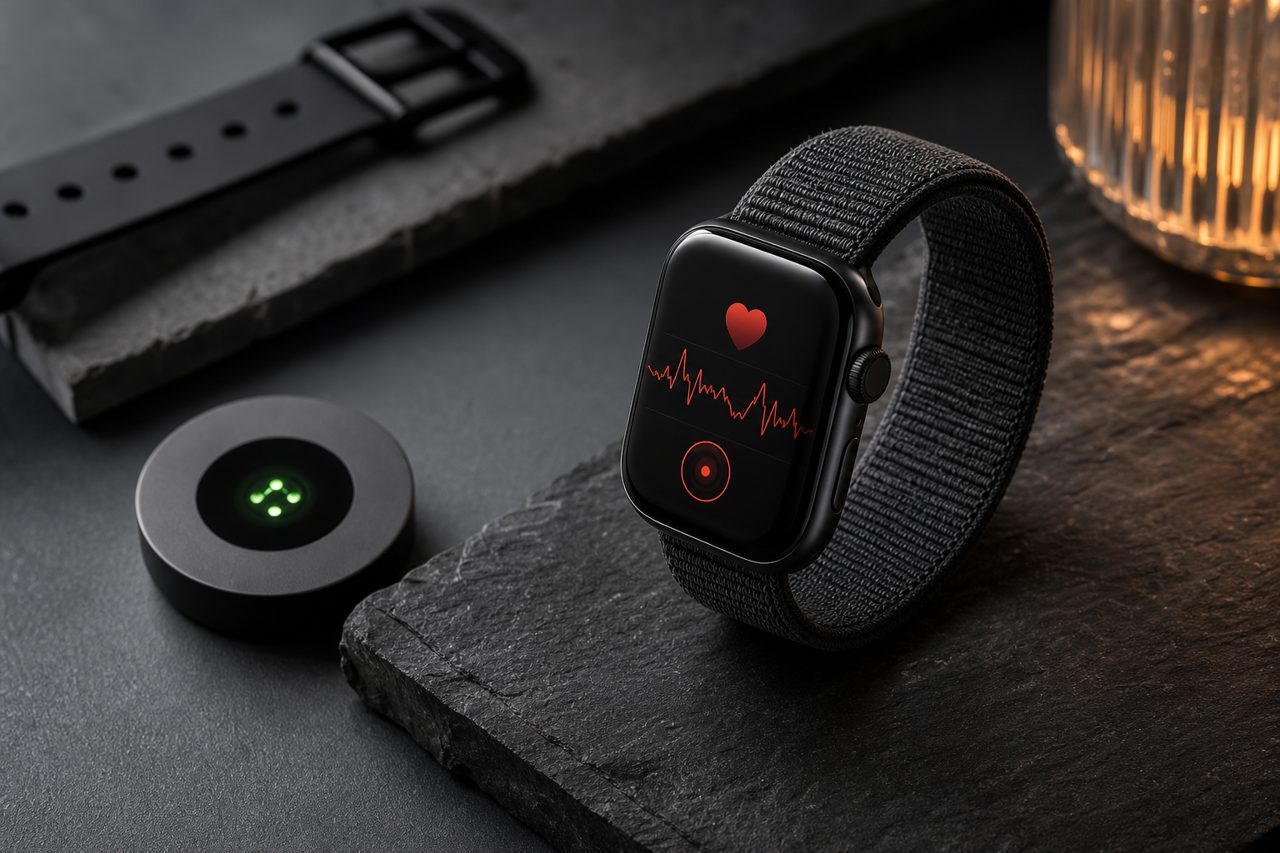
How wrist sensing actually works
Wrist heart rate sensing is optical, a method called photoplethysmography, PPG for short. Green LEDs shine into the skin, and a photodiode measures the light that comes back; because blood absorbs light differently with each pulse, the sensor reads pulse waves and the firmware converts them into a beats-per-minute number. SpO2 sensing extends the same idea with red and infrared light, whose absorption differs between oxygenated and deoxygenated hemoglobin. An accelerometer sits alongside both, because motion corrupts the optical signal and motion data lets the algorithm separate pulse from movement.
Three consequences follow directly from this architecture. First, fit is a sensor requirement: light that escapes through a loose strap never returns as signal. Second, skin is an optical variable: tattoos, darker skin tones and cold-induced low perfusion all weaken the signal, and published studies have reported larger errors under exactly these conditions. Third, the algorithm matters as much as the hardware: two watches with the same sensor module can deliver different accuracy because their motion filtering and pulse extraction differ.
For a buyer, the architecture explains the returns queue. Accuracy complaints rarely arrive as engineering reports; they arrive as one-star reviews that read "heart rate is all over the place," written by someone who wore the device loose on a cold morning jog. A product line that anticipates those conditions in its listing, strap fit, warm-up, interval behavior, converts disappointed expectations into correct instructions, and the file you build in the protocol below is the raw material for that copy.
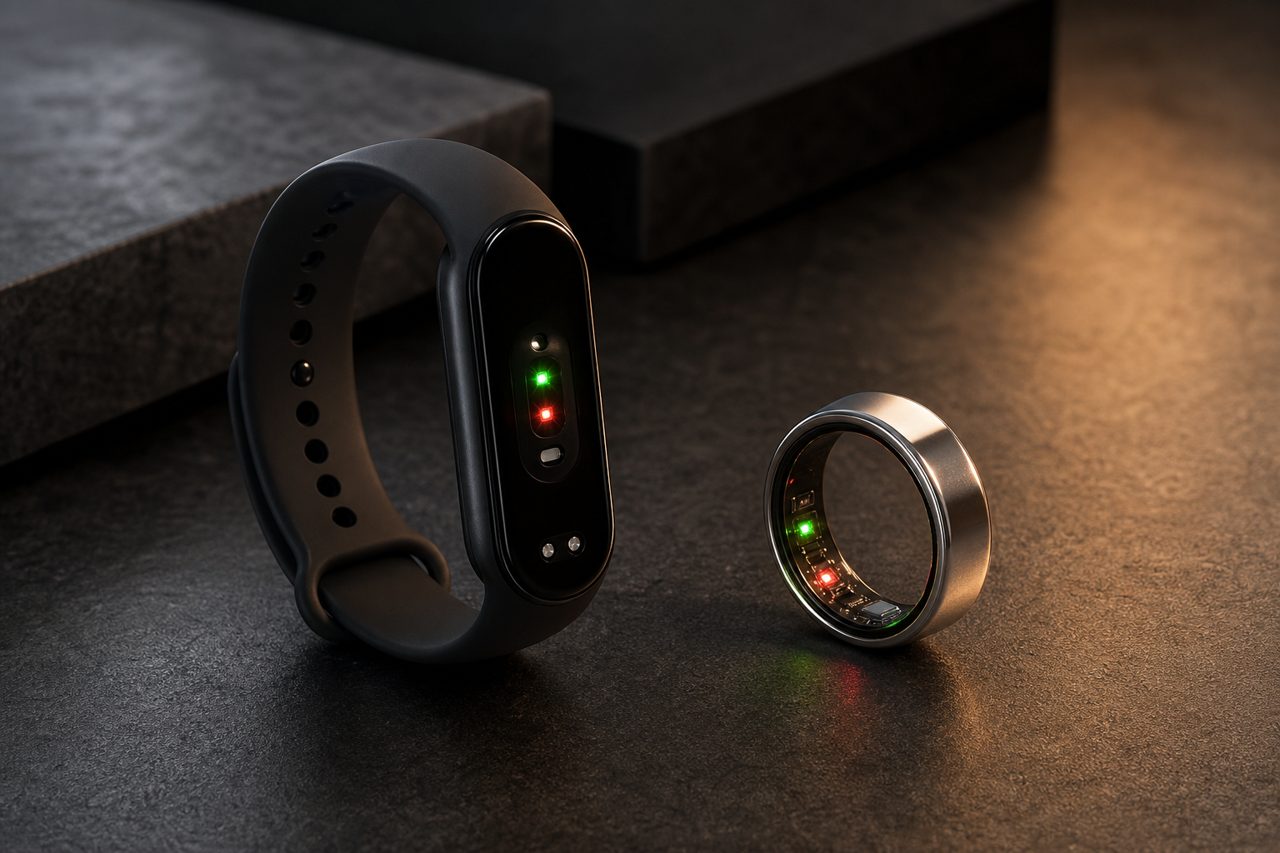
The spec sheet, decoded
Spec lines on a supplier sheet map to real properties, but each one tells less than it appears to:
| Spec line | What it actually means | What it does not tell you | What to verify on samples |
|---|---|---|---|
| Number of LED channels | More channels sample more skin area and angles | Nothing about the algorithm reading them | Consistency of readings across strap tightness |
| Heart rate sampling rate | How often the sensor captures during continuous mode | Whether samples are filtered or raw | Response lag when exercise intensity changes |
| SpO2 on demand vs continuous | Whether blood oxygen is measured when asked or all night | Accuracy in either mode | Repeat readings in one sitting, and overnight trend stability |
| GPS type | Built-in receiver vs phone-assisted location | Route quality under trees or between buildings | A recorded loop around real streets |
| Algorithm generation | The firmware's motion filtering and pulse extraction | Almost anything, unless versioned and documented | Behavior during intervals, the hardest case |
| Water rating | Survival in water at stated conditions | Whether optical sensing works wet | A wet-wrist reading compared with dry |
Read as a set, the table's message is that hardware specs set the ceiling while the algorithm decides how close a product gets to it. That is why the verification step cannot be a desk exercise; it needs wrists.
What wrist devices do well and poorly
An honest capability map, consistent across the industry: continuous heart rate trends at rest and in steady activities such as walking are reliable, and day-over-day comparisons say something real. Spot readings during high-intensity intervals are where wrist devices struggle: the interval's fast changes, arm swing and sweat are precisely the conditions optical sensing handles worst, and readings typically lag or overshoot. SpO2 behaves as a trend instrument: repeated spot checks and overnight patterns carry information, while one isolated number carries very little. Step counts and sleep timing are inexpensive wins. Calorie estimates are model outputs dressed as measurements and should never be quoted as facts in listings.
One more reality belongs in every buyer's notes: sensor behavior can change after purchase, because firmware updates adjust the algorithm. A product whose readings improve or shift after an update is behaving normally, which is one more reason the verification record should note the firmware version tested, so a future change is recognized instead of suspected.
A sample-bench verification protocol
The protocol below fits in an afternoon with three sample units and two or three colleagues. Its purpose is not laboratory truth but a defensible comparison between suppliers:
- Baseline at rest. Wearers seated five minutes, watch snug, readings logged every minute alongside a chest strap reference where available.
- Steady state. Ten minutes of brisk walking; compare watch against reference and across the three units.
- Intervals. Several short efforts with recovery; log how far each watch lags the reference at intensity changes. This is the differentiator between algorithms.
- SpO2 repeats. Five consecutive spot readings on a still wearer, then the same after light exercise; note spread and recovery behavior.
- Fit sweep. Repeat resting readings at loose, normal and tight strap; a sensor that collapses when loosened will fail customers who wear it that way.
- Different wrists. Run the set with at least two wearers of different wrist size, skin tone or tattoo coverage; divergence across wearers is a listing expectation you must write down.
Log everything in one sheet per supplier. The output that matters is not a single accuracy number but a behavior profile: where the product is trustworthy, where it lags and what the listing must therefore promise or avoid.
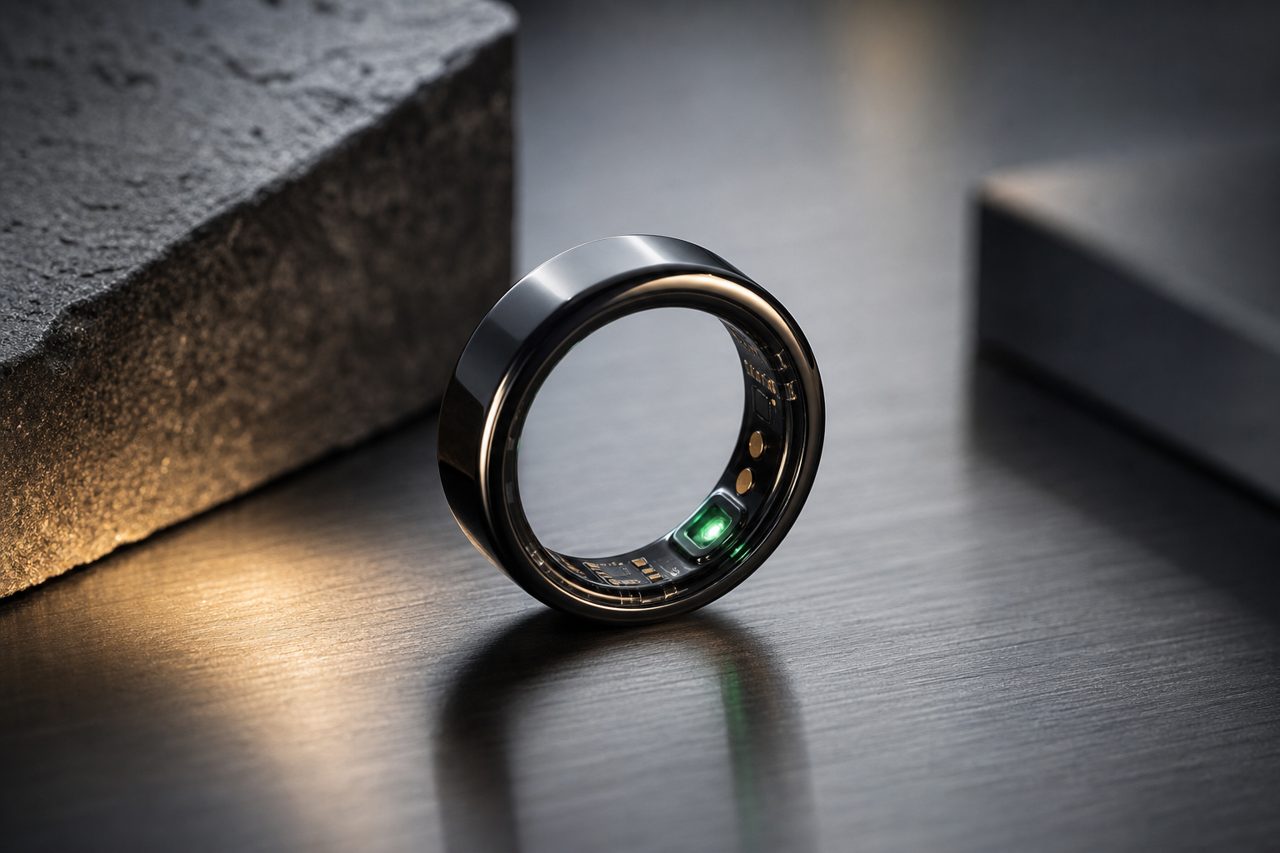
Marketing claims discipline
The commercial rule is simple: sell measurement, never medicine. Describe what the device measures and displays; avoid any implication of diagnosis, treatment or prevention, because medical-device regimes attach in both the EU and the US the moment copy crosses that line. Set accuracy expectations in the listing itself, intervals included, and the returns queue shrinks; buyers forgive a product that told them the truth about its worst case far more readily than one that promised hospital grade and delivered a trend. A documented test file from the protocol above is also your negotiating instrument with the factory: it turns vague accuracy talk into specific, batch-verified behavior. For the battery side of sample verification, the companion method is covered in the wearable battery testing guide.
Sourcing note
Sample units ship one at a time through dropshipping, so the protocol above can run on real stock before any volume commitment. Algorithm versions, sensor configurations and housing changes are exactly the kind of customization negotiated on the OEM/ODM page, where development sampling runs 7-12 days, and the current watch and band lineup sits on the wearables category page.
FAQ
How accurate is smartwatch heart rate compared to a chest strap?
At rest and in steady activities like walking, a good wrist sensor tracks a chest strap closely. During high-intensity intervals, wrist readings typically lag or overshoot, because intervals create exactly what optical sensing handles worst: fast changes, vibration and sweat. Judge products on trend reliability across your testers, not on lab equality.
Do SpO2 readings from a smartwatch mean anything?
They work as a personal trend and a spot check, not as a clinical measurement. Fit, skin temperature, motion and skin characteristics all add noise to wrist SpO2, so single readings carry little meaning. Values that move consistently across nights say something, and listings should present SpO2 as a wellness trend.
Can we market a smartwatch with health claims?
Stay inside general wellness language: describe what the device measures and shows, never what it diagnoses, treats or prevents. Medical-device regimes attach in the EU and US the moment copy crosses that line. Wellness wording, honest accuracy expectations and a documented test file cover the realistic selling space.