Inside Shenzhen's Supply Belt: Why Accessories Are Made Here
Every accessories buyer eventually asks why one city keeps winning. Shenzhen and the belt around it produce the chargers, cables, earbuds, cases, wearables and creator gear the world lists by the millions, at a depth no other region matches. This guide walks the belt layer by layer - the markets, the factories, the component circle, the export machinery - and translates each layer into what it changes for a buyer: sampling speed, unit costs and roadmap risk.
The scale behind the label
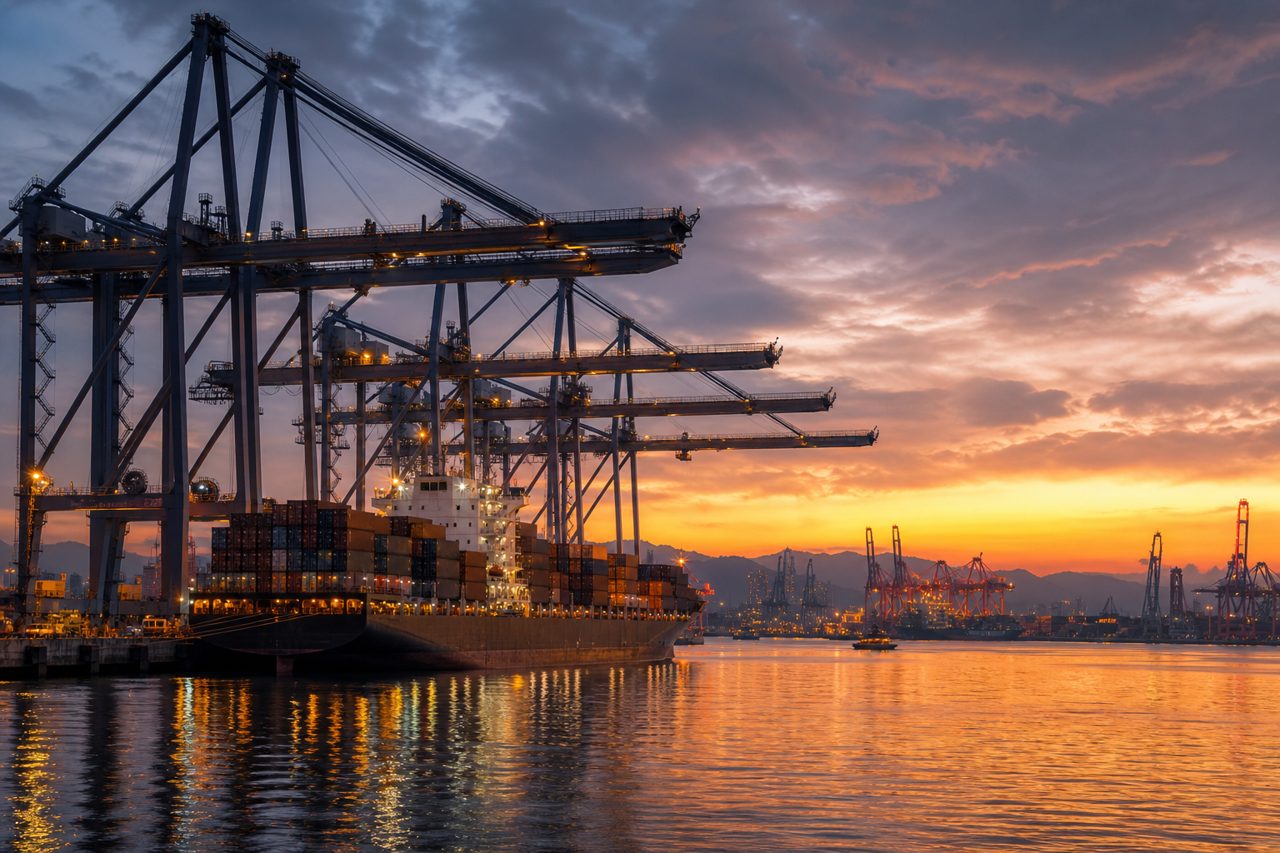
Start with the numbers that make the belt real. Shenzhen's electronics information manufacturing industry was worth RMB 2.48 trillion in 2022, roughly one-sixth of the national total (Shenzhen government statistics). In 2024 the city's industrial output above designated size crossed RMB 5 trillion, the first Chinese city to reach that mark (Xinhua). Exports have ranked first among Chinese cities for 32 consecutive years, reaching RMB 2.81 trillion in 2024, with electromechanical products accounting for 71% of that total (China customs).
Behind the aggregates sits a specific competence: the last mile of the phone industry. Chinese phone exports reached 814 million units in 2024 (China customs), and the accessories that follow those phones - charging, cables, protection, audio - are engineered in the same districts that assemble the phones themselves. An accessories buyer sourcing here is plugging into the mainstream of the industry, not its periphery.
One hour, one revision
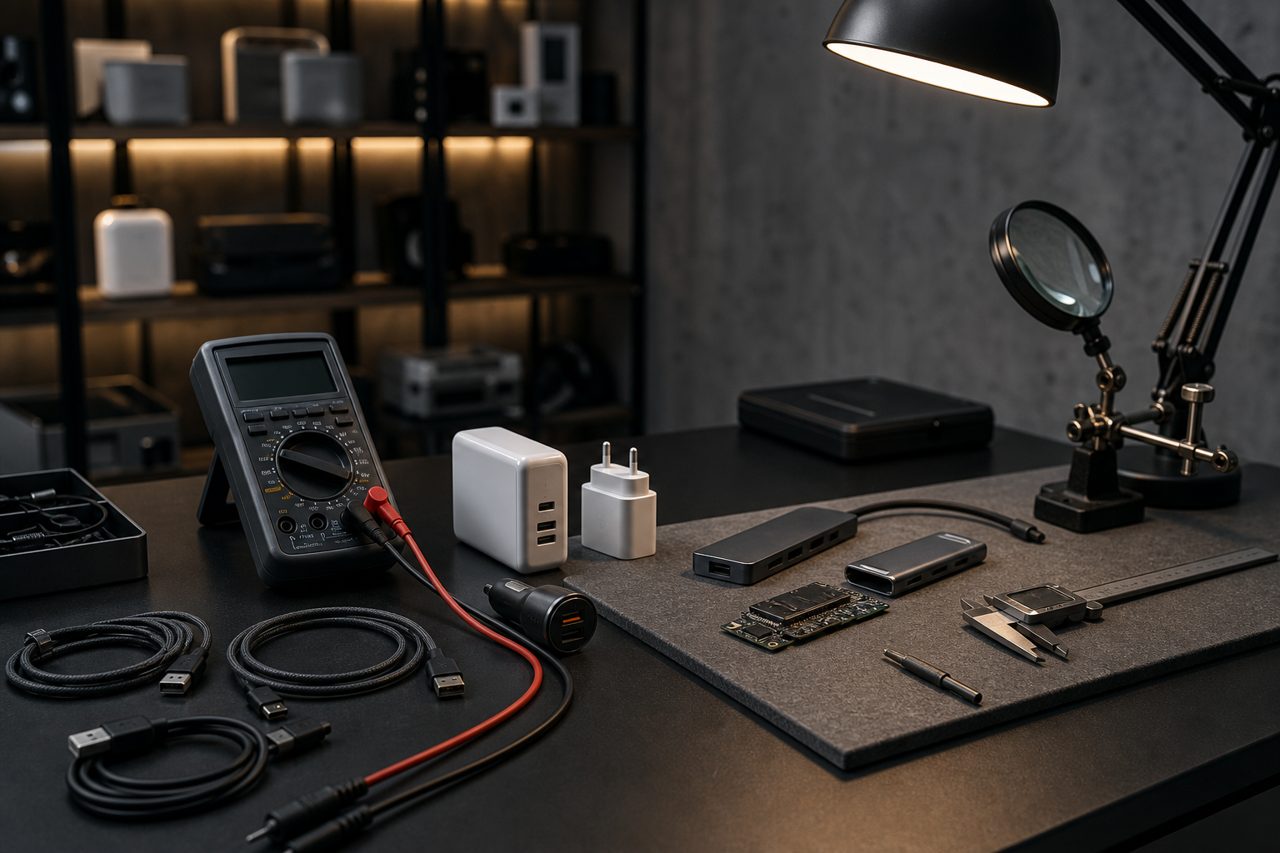
The belt's real advantage is density. Chip distributors, connector vendors, mold shops, SMT lines, assembly floors and packaging printers sit close enough that a single working day can cover a component substitution, a mold tweak and a revised sample in the same trip. Chinese state media have described the loop plainly: within roughly one hour's travel, a product team can close the full cycle from components to finished assembly. For a buyer, that density compresses the iteration loop - and the iteration loop decides whether a catalog leads a standard or chases it.
Huaqiangbei is the belt's trading face: about 1.45 square kilometers holding 115,000 registered business entities, with electronic products numbering beyond one million items (official figures reported via Xinhua). It works as the spot market for the whole belt - where a shortage is solved by lunchtime, a niche part is found in days, and new categories surface on shelves before they surface in catalogs.
The same density explains the belt's grip on spare parts and after-sales. A hinge, a board, a coil or a cable can be traced, purchased and delivered to an assembly floor inside a day, which keeps older SKUs serviceable for longer and lets suppliers honor replacement commitments without tying capital up in deep spare inventory. Buyers inherit that resilience: warranty claims that would strand a scattered supply chain become a same-week fix here.
The layers of the belt
The belt reads as five stacked layers, each answering a different buyer need.
| Layer | Where | What happens there | What it means for buyers |
|---|---|---|---|
| Trading and spot market | Huaqiangbei | Components and finished goods; price discovery at million-item scale | Shortages solved fast; niche parts sourced in days |
| Manufacturing core | Bao'an districts | SMT, tooling and assembly for chargers, cables, audio and more | Factory-direct pricing; deep customization options |
| Cluster anchor | Longgang | Carrier district of one of the world's largest electronic information industry clusters | Engineering depth and testing partners close by |
| Delta extension | Dongguan and the Pearl River Delta | A trillion-RMB-class electronics cluster absorbing volume capacity | Overflow capacity when large orders need room |
| Export machinery | Ports and forwarders | Daily sailings from China's top exporting city, 32 years running | Shorter, more predictable export lead times |
A supplier's address inside this stack is a proxy for how much of the stack they can reach in an afternoon - and therefore how fast your problems get solved.
What it changes for buyers
Translated out of geography and into outcomes:
- Sampling speed. Revisions measured in days: 5-7 day sampling on light customization and 7-12 days on OEM are ordinary belt numbers, not heroics.
- Substitution depth. When a component runs short, the spot market finds the equivalent before the line stops.
- Low-MOQ viability. Density lowers the fixed cost of small runs, which is why one-piece dropshipping and 500-unit customization are practical here and impractical elsewhere.
- Standards currency. Fast-moving niches such as GaN charging and magnetic wireless get retooled first where the ecosystem sits; a belt supplier follows the standard in week one instead of month six.
- Compliance adjacency. Testing labs and certification partners are local, so UN38.3 summaries, CE files and FCC documentation move at paperwork speed rather than shipping speed.
- Freight optionality. Daily sailings and dense air lanes mean sea and air quotes compete for the same carton; switching modes is a decision, not a wait.
- Quality infrastructure. Third-party inspection teams can enter a Bao'an factory on a day's notice, which keeps pre-shipment checks honest even for buyers who never visit.
Demand meets supply
The belt also sits inside its own demand pool. Asia Pacific accounted for 49.9% of the global mobile accessories market in 2025 (Grand View Research), so the factories read the region's product trends first and export the lessons with the goods. Products proven across the region's e-commerce channels arrive in Western catalogs with their rough edges already sanded off - an unquoted but real margin advantage for buyers.
For a buyer the implication is a scouting one: the categories trending in your market were usually industrialized here a season earlier. Ask suppliers what their lines are retooling for this quarter; the answer is a trend report no research subscription sells.
Working with the belt from outside
Distance is the belt's one disadvantage, and service providers exist to dissolve it. A source supply-chain service provider based in Bao'an - as TECHORIGIN is - consolidates the layers into a single counterparty: the product range listed by category, quality teams checking samples and production, and fulfillment running one-piece dropshipping with 48-hour dispatch, the 7-15 day standard parcel lane, the 8-18 day battery lane for UN38.3-compliant goods, and overseas-warehouse last miles of 2-5 days. The buyer gets the belt's density without having to live in it.
Sourcing note
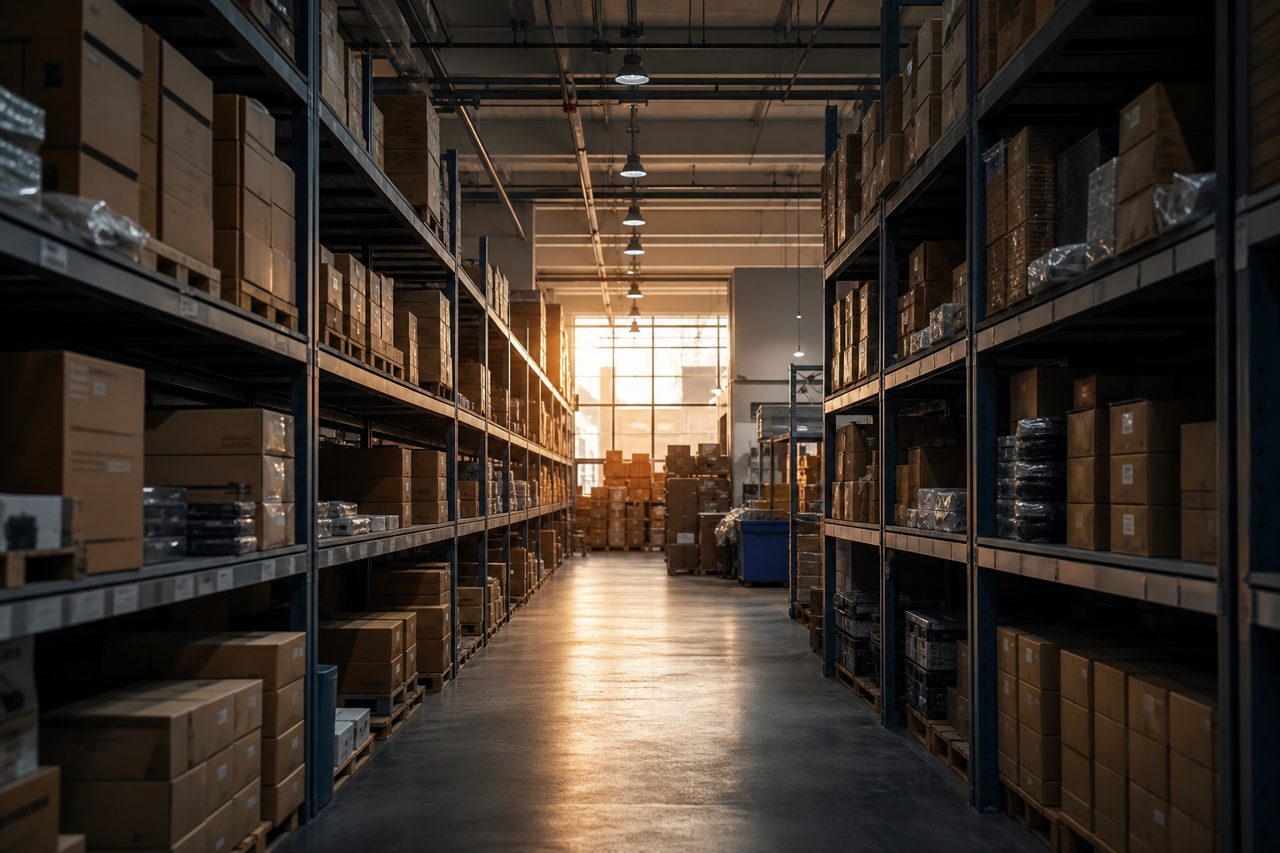
Browse the six categories sourced from the belt on the products page, start at one piece through dropshipping, and move to logo and OEM tiers on the OEM/ODM page once a SKU proves itself.
FAQ
Why are 3C accessories concentrated in Shenzhen rather than spread across China?
Density compounds. Component markets, mold shops, SMT capacity, assembly floors and export infrastructure all sit within roughly an hour of each other, so a revision that takes a day inside the belt takes weeks where those functions are scattered. Three decades of that compounding produced the clusters buyers see today.
Does sourcing from the belt automatically mean lower prices?
It means tighter quotes and shorter paths, but the advantage shows up most reliably in speed and iteration rather than headline price. Buyers who exploit fast sampling and quick retooling usually capture more margin than those who negotiate hardest on the first quote.
How does a buyer outside China work with the belt practically?
Through a counterparty who lives in it: a source supply-chain service provider consolidates sampling, quality control, compliance documents and fulfillment. Start with stock items shipped one-piece, verify certificates and battery documents, then step into light customization at 500 units and OEM at 1,000 once listings prove conversion.