Phone Case Materials Compared: Acrylic, TPU, PC and Hybrids
Cases carry the phone accessories category, and the material decision sits underneath every case SKU a store will ever list. Material decides how the case feels in hand, how it ages on the shelf, what it costs to decorate, and - most commercially - which complaints show up in reviews six weeks later. This comparison covers the four material answers that dominate the market and matches each to the channel it serves best.
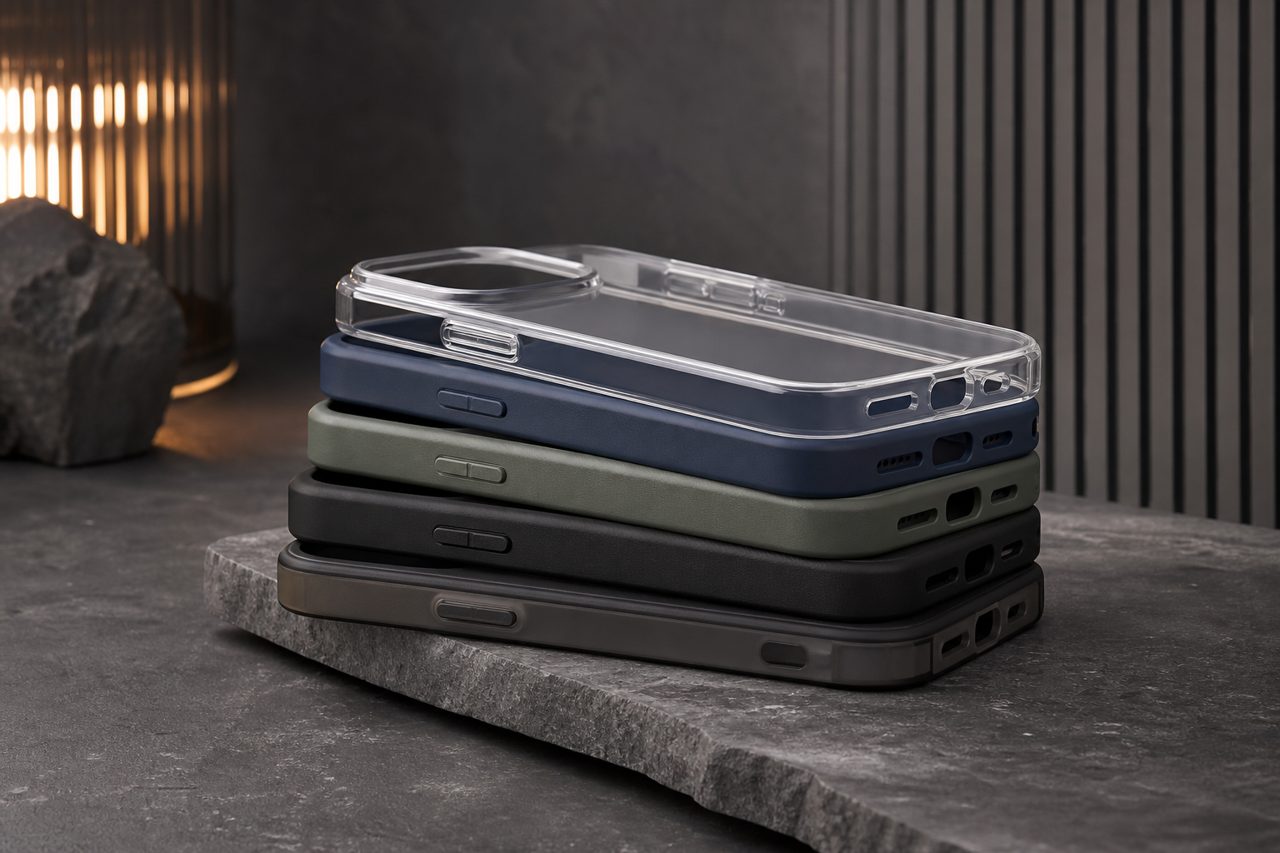
The stakes are structural. Cases sit at the center of a mobile accessories market that reached USD 105.5 billion in 2025 (Grand View Research), which is why every general accessories store stocks them and why the material decision repeats across every model year. Four constructions account for nearly everything on the shelf: rigid acrylic, soft TPU, hard PC, and hybrids that combine a hard back with a soft edge. None is best at everything - each buys one property by paying for another.
Acrylic: the display case
Acrylic (PMMA) is the hard, glass-clear material behind most "show the phone" designs. Its surface resists scratches better than soft plastics, so the back stays presentable through daily contact with tables and pockets, and its rigidity gives printed and inlaid designs a flat, quality canvas. The trade is brittleness: corners are where acrylic pays for its clarity, and a dropped acrylic-only case may protect the phone at the cost of cracking itself. In practice acrylic appears in two roles - full rigid fashion cases where the look is the product, and backplates inside hybrid constructions where the soft bumper absorbs what acrylic cannot. Judge acrylic samples on edge polish, print registration and corner thickness; those three details separate a gift-worthy case from a shelf-return.
TPU: the shock absorber
Thermoplastic polyurethane (TPU) is the soft, rubbery material of bumper and full-soft designs. It deforms on impact and recovers, which makes it the best pure protection story per dollar, it molds easily into raised lips around camera and screen, and it grips surfaces so phones do not slide off dashboards. Its costs are optical and tactile: clear TPU yellows with age and heat, the surface attracts lint, and a full-soft case can feel inexpensive in hand even when it protects well. Compound quality moves these lines - UV-stabilized grades yellow visibly slower, and surface treatments reduce lint pull - which is why two "clear TPU" cases from different suppliers can age months apart. For buyers, TPU is the volume workhorse: order it where protection reviews drive sales, and specify the stabilized compound in writing.
PC: the slim professional
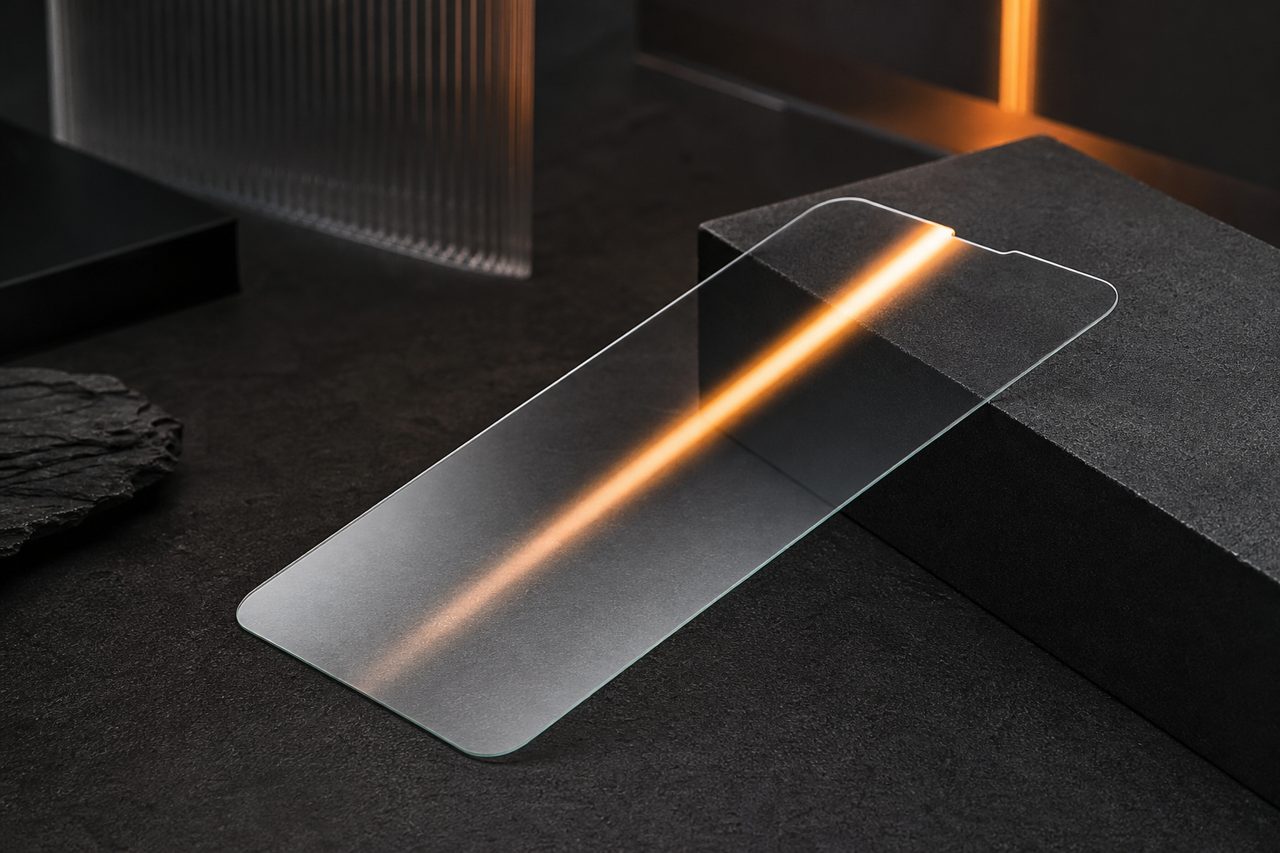
Polycarbonate (PC) is the rigid, thin-wall engineering plastic of slim cases. It is tough against impact for its thickness, it keeps precise port cutouts and button feel, and it takes matte and textured coatings well - the frosted slim case that reads "professional" is almost always PC under a soft-touch finish. Its weaknesses are the reverse of acrylic's: the bare surface scratches visibly, so coating quality is the whole quality story, and rigid walls transfer shock rather than absorbing it, so PC-only designs protect less than their stiffness suggests. PC earns its slot in corporate and minimal-design lines where slimness and printability outrank maximum protection, and as the structural backplate in nearly every serious hybrid.
Hybrids: the engineered compromise
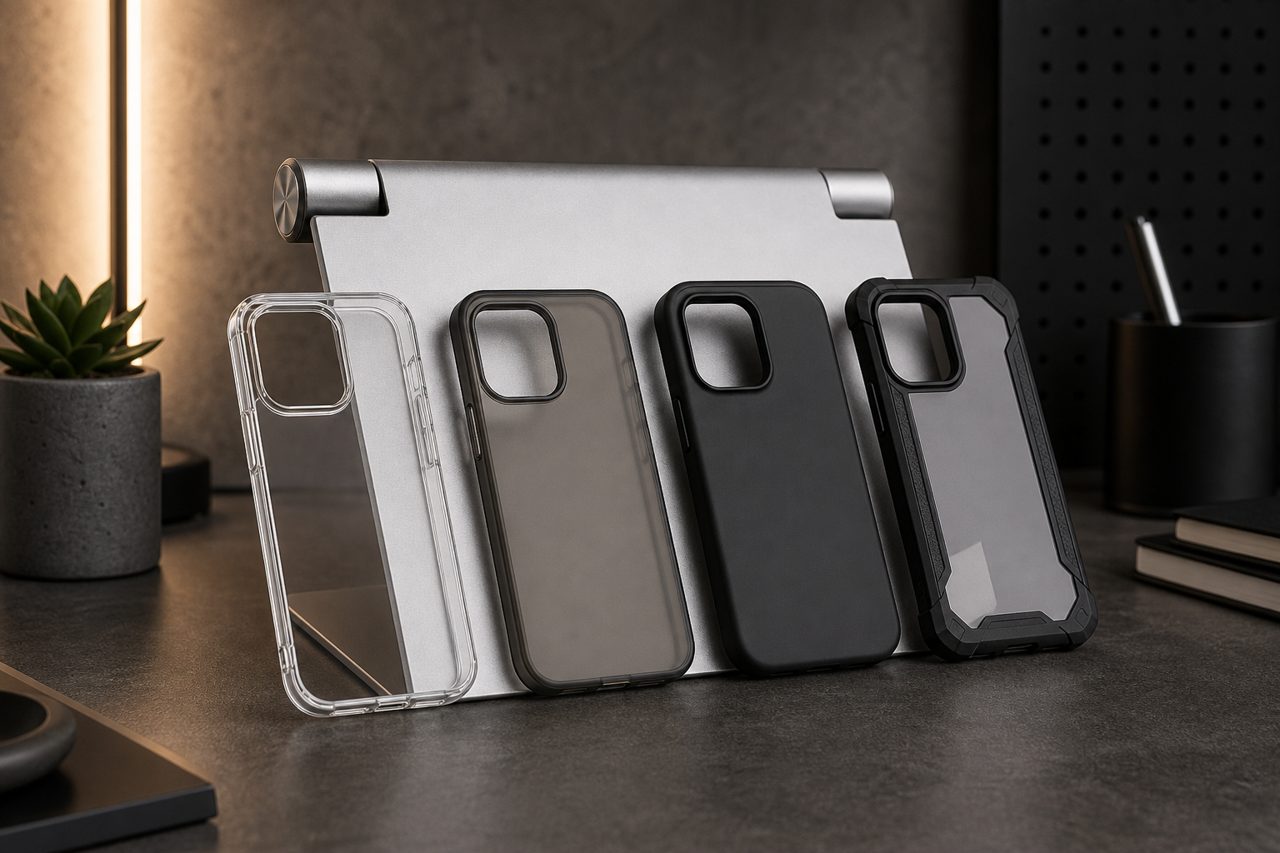
The hybrid - typically a PC or acrylic backplate bonded to a TPU bumper - exists because the three pure materials' weaknesses line up neatly: what the hard back lacks in corner survival, the soft edge supplies, and what the soft edge lacks in presentation, the back supplies. This is the construction most "protective clear case" listings actually ship, and it is the closest thing the category has to a default answer. Hybrids carry their own tolerances: the bond between backplate and bumper is a failure point if the assembly is sloppy, the two materials' shrink rates must be engineered or the case warps, and clear hybrids still face the yellowing question on their TPU portions. On samples, twist the case gently - a well-made hybrid moves as one piece; a poor one telegraphs the seam.
The comparison
| Dimension | Acrylic | TPU | PC | Hybrid (PC/acrylic + TPU) |
|---|---|---|---|---|
| In-hand feel | Rigid, glass-smooth | Soft, grippy, rubbery | Slim, coated | Rigid back, soft edge |
| Protection character | Brittle corners | Best impact absorption | Stiff, transfers shock | Strong all-around |
| Clarity and aging | Stays clear, can crack | Yellows with age and heat | Scratches without coating | Back stays clear; frame ages |
| Decoration | Best canvas for print and inlay | Limited - soft surface | Excellent with coatings | Back decorated, edge colored |
| Relative cost tier | Mid | Lowest | Low to mid | Mid to high |
| Typical review complaint | Corner cracks on drop | Yellowing, lint | Visible scratches | Seam or bond failures if assembly is poor |
Read the last row as the purchasing brief: each material's review profile is predictable before the first sale, which means the material choice is really a choice of which complaint a store is willing to answer.
Matching material to channel
Channel logic follows from the table: sell where the product is reviewed, and protection wins; sell where the product is seen, and surface wins. The four common assignments:
- Marketplace sellers: lead with hybrids. Reviews drive rankings, and the review language of cases is protection and fit - both hybrid strengths.
- Retail and gift shelves: acrylic and printed PC designs earn the display slot; the product is being looked at before it is being dropped.
- Corporate and promotional programs: slim PC with a logo - matte coatings take branding cleanly, and the slim profile suits the gifting context.
- Volume and entry price points: TPU, specified with UV-stabilized compound and a raised camera lip so the low price still earns honest reviews.
Ordering notes
The material choice also sets the customization path. Logo, packaging and colorway changes are light-customization decisions from 500 pieces per SKU; new molds and structural changes are OEM work from 1,000 pieces, with full mold investment from 3,000 - which is why material should be settled before tooling, not after. In-stock constructions across all four materials are listed in the phone accessories category, and single-piece validation through the dropshipping program lets you compare how each construction ages in a real pocket before any bulk commitment; when a construction needs to be yours end to end, OEM customization covers material, tooling and finish.
FAQ
Which case material yellows the least?
Clear TPU yellows eventually - heat and ultraviolet exposure degrade the material - so buyers who refuse yellowing should look at PC or acrylic backs, or clear hybrids that pair a PC backplate with an ultraviolet-stabilized TPU frame. Ask the supplier whether the TPU compound includes UV stabilizers; it is a compound choice, not an accident.
Can one SKU combine materials?
Yes - the hybrid construction of a rigid backplate with a soft bumper is standard, not special. As a custom project it sits at the OEM tier: logo and packaging changes start at 500 pieces per SKU, while changes to structure and tooling start at 1,000, with full mold changes from 3,000.
Which material should an online-only store lead with?
Hybrids. Marketplaces judge cases through reviews, and the review language of cases is dominated by protection and fit - both hybrid strengths. Clear or printed acrylic and PC designs earn their place as the visual, gift and corporate lines once the protective core is established.