Kids' Headphones: Volume Limits and the Parents Who Buy Them
Kids' headphones are one of the few audio niches where the buyer and the user are different people, and the buyer's checklist is written in safety, not sound. That single fact reshapes everything: which features sell, how the volume limiter should be described, which bundles move, and where the compliance lines sit. This article maps the niche for resellers and brand owners stocking it.
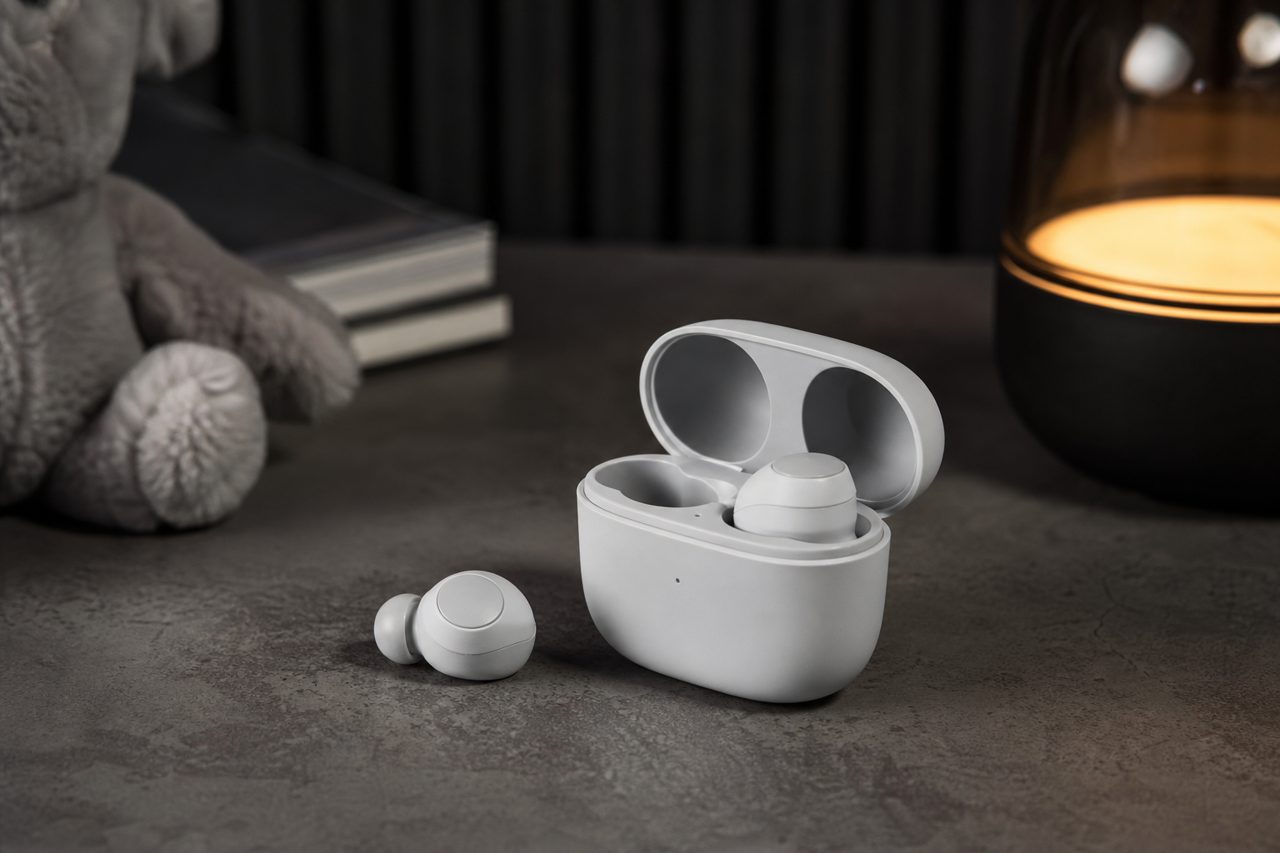
Purchase occasions are predictable: school terms, holidays, birthdays and travel seasons, with a second wave whenever remote classes return. The parent researching a purchase reads reviews for durability stories, checks whether the cable detaches, and asks one question out loud in almost every review section: does it protect my child's hearing. Products that answer that question with a specific, verifiable feature convert; products that answer with adjectives do not. Price positioning is moderate rather than deep-discount - parents spend for the safety story, but they spend once, so the product has to survive long enough to earn the review the next buyer reads.
Why this niche behaves differently
Three structural differences separate kids' headphones from the general over-ear market. First, the gift effect: a large share of sales concentrates around gifting dates, so listings must be ready to be bought as presents - gift-friendly packaging and clear age ranges on the box matter more than spec depth. Second, the durability bar: children are not gentle users, and the review base reflects it, so headband construction and cable attachment points decide your star rating more than tuning does. Third, the trust asymmetry: parents cannot audition the product themselves for a child's ears, so they buy the description, which means honest, checkable claims outperform loud ones. Add a fourth practical difference: some schools and learning platforms now specify headphone requirements for their own equipment, and a listing that names compatibility with ordinary 3.5mm and Bluetooth devices quietly captures that traffic without any extra claim.
The volume limiter, honestly explained
The category's defining feature is a hardware limiter that caps the headphone's maximum output - 85 decibels is the common cap across the category - so a curious child turning the source device to maximum still cannot exceed the ceiling. The word that matters is hardware. A software setting on the source device is not a feature of your product; a limiter built into the headphone works on any device the child plugs or pairs into. Verify it on samples: pair with a phone at full volume and listen at the earcup, and check whether the cap holds with both Bluetooth and the wired input, because some budget designs limit only one path. Then describe the feature precisely in your listing - "maximum output capped at 85 dB" - rather than promising outcomes you cannot control.
What parents actually check
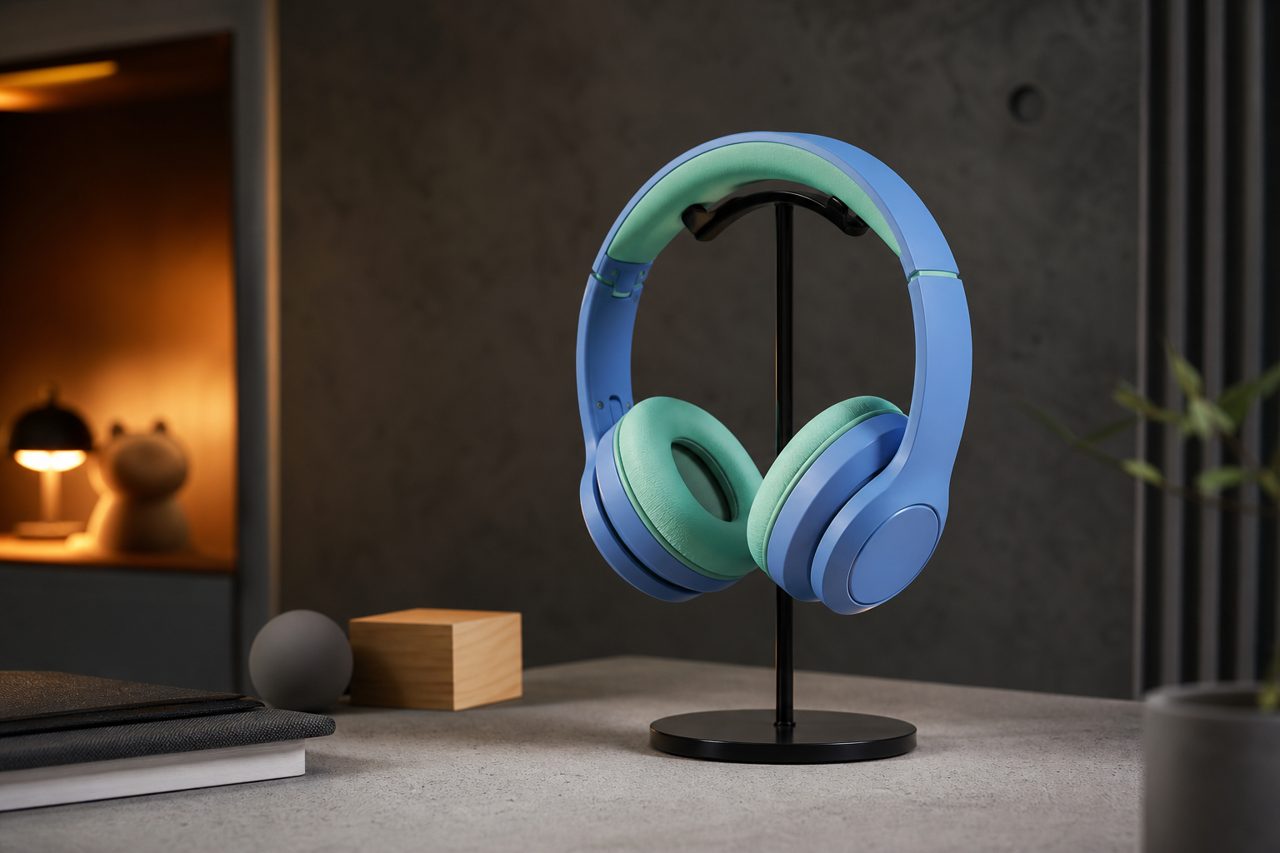
The pre-purchase checklist runs through practical items, in roughly this order:
- Weight and clamp force - a light frame with gentle clamp survives long sessions and small heads.
- Volume limiter - hardware-enforced, working on both wireless and wired input.
- Wired fallback - a 3.5mm input or included cable for dead batteries and school devices.
- Detachable cable - the first thing to break on any kids' product should be replaceable in ten seconds.
- Cleanable surfaces - wipeable ear cushions and headband, because parents think in terms of yogurt and markers.
- No small detachable parts - decorative pieces that pop off are choking hazards and review poison.
A model that clears this list is ready to merchandise. One that misses two or more items is a returns profile regardless of how it sounds.
Three bundles that sell
Bundling works in this niche because the purchase occasions are already gift-shaped. Three recipes, each with its listing angle:
- Home learning bundle: headphone + detachable cable + cable wrap. Position for online classes and homework hours; the cable wrap earns its place in the photo because parents know where cables go. List the limiter first in the bullet order.
- Travel bundle: headphone + hard case + two-way splitter that lets siblings share one seat-back screen or tablet. Position for flights and road trips; the splitter converts a single-buyer listing into a two-child solution and measurably widens the audience. Photograph the case inside a backpack pocket to show scale.
- Sibling multipack: two units in mixed colors at a bundle price. Position for families and birthdays; the mixed-color pairing answers "they will fight over whose is whose" before it is asked. This is also the bundle most shared on parenting forums, so make the second color visible in the main image.
In all three, keep the volume limiter and the age range in the first two bullet points. Everything else is supporting detail.
Compliance and messaging boundaries
Two disciplines keep the category safe to sell. The first is claims: describe what the limiter is (a hardware cap on maximum output) and never certify an outcome ("guaranteed hearing protection" is a liability, not a feature). Avoid medical framing entirely. The second is certification: the product must carry the approvals of each destination market - CE for the EU, FCC for the United States, and the corresponding marks beyond - and wireless models add radio-equipment scope on top of the usual electrical safety and materials requirements. Request certificate copies per SKU before booking any order, and treat missing paperwork as a blocked SKU, not a paperwork detail.
Stocking and customization
Test demand at single-piece quantities through the dropshipping program before holding inventory - 48-hour dispatch puts samples on your bench within days, and the gifting calendar tells you quickly whether a colorway belongs on your shelf. Keep the assortment narrow and deep rather than wide: two or three colorways that answer the checklist above outsell eight models that each miss an item, and a narrow line makes the sibling multipack natural instead of forced. The audio category carries the in-stock kids' models with limiter specifications noted. When a color, packaging or box age-range marking needs to be yours, logo and packaging customization starts at 500 pieces per SKU with sampling in 5-7 days; changes to headband, driver or shell structure belong to full OEM customization from 1,000 pieces per SKU. Wireless models ship as battery products on compliant air channels - plan the extra transit days into your gifting calendar rather than discovering them in December.
FAQ
Wired or wireless - which should a kids' line carry first?
Start with a wireless model that keeps a wired fallback: a 3.5mm input or an included cable covers a dead battery, classroom devices without Bluetooth, and the parents who simply prefer wired. Note that the wireless version ships as a battery product on compliant air channels, which adds days to transit that a wired model does not have.
Does a volume limiter guarantee hearing protection?
No - and your listing should not claim it does. A limiter caps the headphone's maximum output; it cannot control listening duration or volume settings on the source device. Describe the cap as a feature, verify it on samples, and let the honest wording be part of the product's credibility.
What is the minimum order for a custom kids' color or packaging?
Logo and packaging customization starts at 500 pieces per SKU; a new colorway is usually a light-customization decision at the same tier. Changes to the headband, driver or shell structure belong to full OEM, which starts at 1,000 pieces per SKU.