Health Claims on Wearables: What You Can and Cannot Say
The distance between "shows your heart rate" and "protects your heart" is four words, and it is the distance between an accessory and an unapproved medical device. Regulators draw the border with those words, marketplaces enforce it with listing takedowns, and returns data punishes the disappointment that overstated claims create anyway. This guide maps where the boundary sits, gives the phrase swaps that keep copy on the safe side, and tracks the surfaces where risky wording leaks in when nobody is watching.
The line that matters
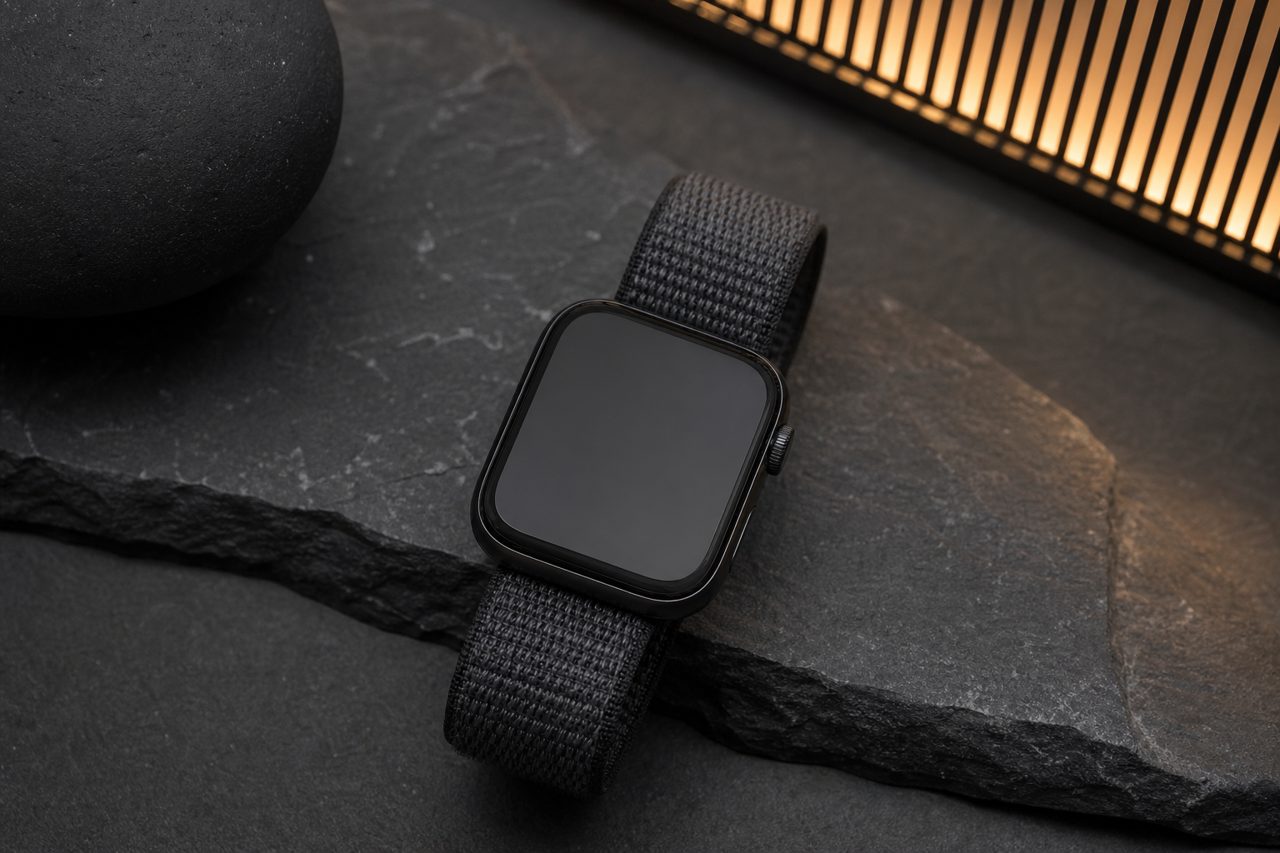
The border runs between measuring and medicine. Describing what a device measures, records and displays is general wellness language: heart rate, blood oxygen readings, sleep duration and stages, step counts, skin temperature trends. Claiming that a device identifies a condition, treats one, or prevents one moves the product into medical-device territory, where certifications the SKU does not hold would be required in the EU and the United States alike. The hardware does not change when the words change; the regulatory classification does.
That is the uncomfortable part for sellers: the claim, not the circuit board, defines the product. A band that says "tracks sleep duration" is an accessory in every regime; the identical band that says "relieves insomnia" is, in the eyes of the law, a medical assertion without authorization. Marketplace rules compress the same logic into practice, because platforms remove listings that promise outcomes, and reinstating them costs more than the wording ever earned.
Two quick tests catch most borderline copy. The swap test: replace your device with a kitchen thermometer, and if the sentence becomes absurd, the sentence was about a promise, not a measurement. The read-aloud test: imagine the sentence spoken by the authority whose approval the claim would need; if it sounds like a diagnosis, it is one.
Why the line is drawn so tight
Health claims exploit asymmetric trust. A buyer can verify a strap width with a ruler but cannot verify a promise about their heart, so the law substitutes certification for verification: outcomes require evidence on file, and evidence on file requires a regulated development process. Years of devices that promised more than they measured produced the current strictness, and enforcement reaches further than sellers expect, because advertising authorities and platforms both act on listings without needing proof of harm first. The asymmetry cuts the other way too, and this is the part worth internalizing: measurement wording sells nearly as well as outcome wording, because buyers already want to believe in the product. What they need is the tool, described accurately; what they do not need is a fourth unverified promise.
Phrase swaps that keep copy safe
Most risky listings are not reckless; they are sloppy. The fix is a set of standing swaps the whole team uses:
| Feature | Risky phrasing | Safe phrasing |
|---|---|---|
| Heart rate | Monitors your heart health; protects your heart | Shows your heart rate and daily trends |
| Blood oxygen | Detects low oxygen; catches breathing problems | Displays blood oxygen readings on demand |
| Sleep | Relieves insomnia; improves sleep quality | Tracks sleep duration and stages as trends |
| Stress | Reduces stress and anxiety | Shows stress-level trends based on heart rate variability |
| Temperature | Detects fever; knows when you are sick | Shows skin temperature trends over time |
| Fitness | Doctor-designed program; lowers blood pressure | Counts steps, active minutes and estimated calories |
The pattern inside every safe phrase is the same: the device shows, displays or tracks, and the human concludes. Outcomes, guarantees and clinical verbs belong to the other side of the line, in products that carry the certifications to stand on it.
Feature-by-feature notes
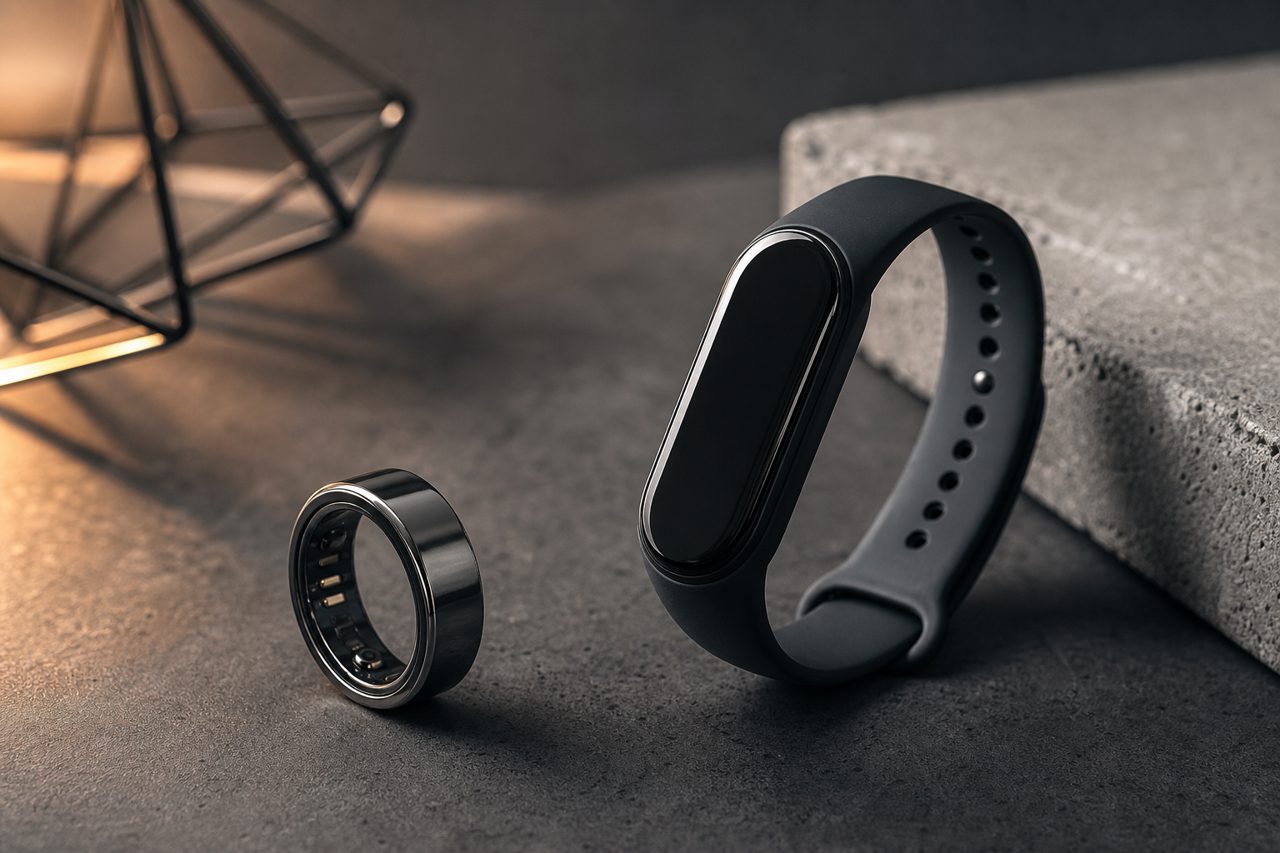
A few features deserve their own margins. ECG and irregular-rhythm notifications exist on some devices as certified medical capabilities; unless your specific SKU holds its own clearance in the market where you sell, the word ECG does not belong in its listing. Blood pressure, likewise: without a cuff or a validated calibration, only trend language is available, and even that should promise curiosity rather than cardiology. Skin temperature is a trend instrument, strongest for cycle-adjacent calendars, and cycle tracking itself should read as a calendar tool, not a diagnostic. Fall detection wording works as an emergency convenience, alerting a chosen contact when a hard fall is detected, and must not drift into promising protection from injury.
Where claims leak
The listing is one surface among many, and usually not the leakiest. Packaging bullets are printed once and shipped thousands of times, so a single outcome word on a box outlives every listing edit. Translated listings drift: the safe English phrase becomes a stronger sentence in another language, either through a dictionary or through a well-meaning freelancer. Influencer briefs leak fastest of all, because an affiliate asked to "make it exciting" will write the medical claim your own copy never dared, on an account you do not control. And support replies leak quietly: a customer asks whether the band can catch apnea, and an agent who wants to help says probably.
The countermeasure for all four leaks is one artifact: an approved-phrasing sheet, one row per feature, with the safe sentence and the banned words. It goes into the packaging sign-off, the translation brief, the influencer kit and the support macros. Enforcement of wording is not a compliance hobby; it is the only way one careful listing survives contact with five noisy channels.
A process that survives growth
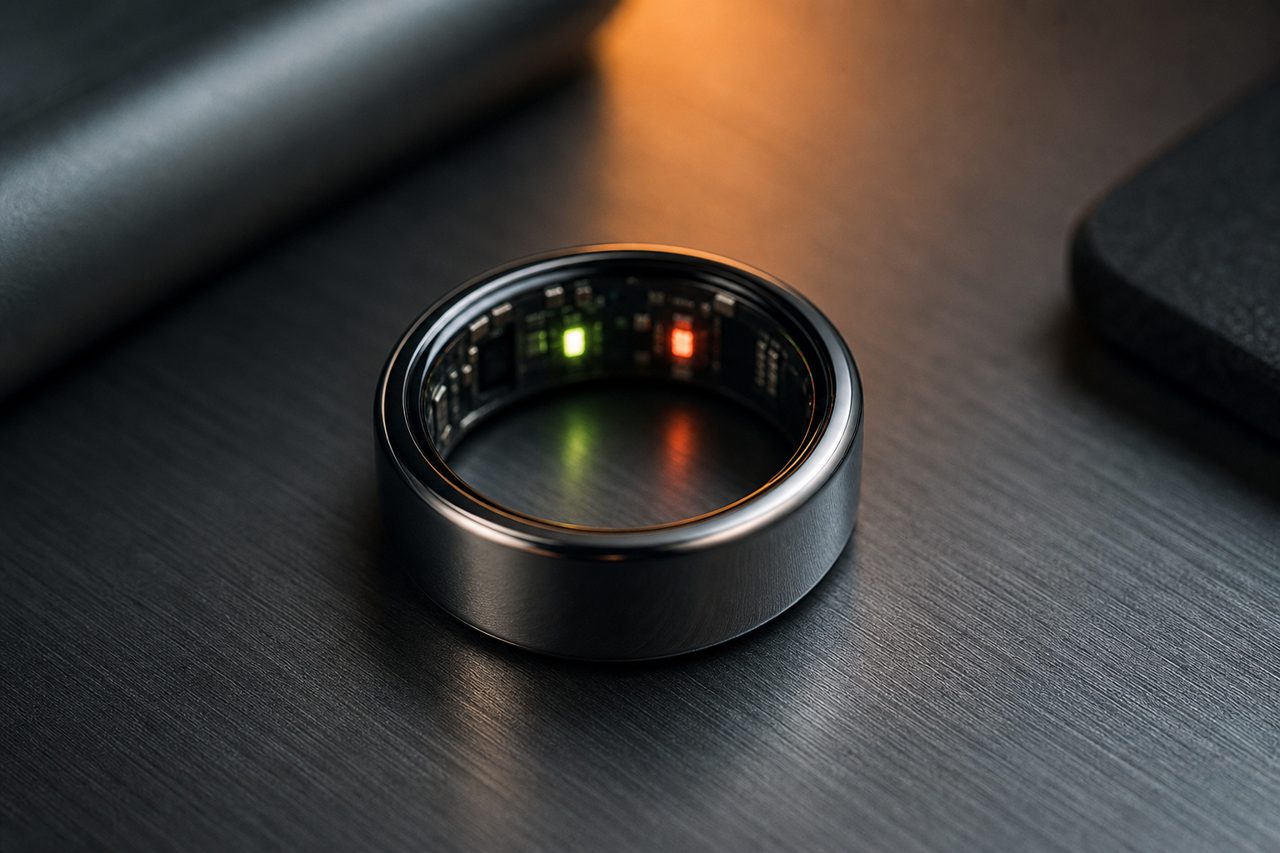
Make the discipline procedural so it outlives the founder's attention. The phrasing sheet has a named owner, usually whoever signs off packaging. Every new feature enters the sheet before its listing goes live, and every new language gets its row translated and reviewed, not merely converted. Campaigns take a second pass, because promotional copy invites exaggeration. Influencer kits carry the sheet as an attachment with a one-line rule: use these sentences or close equivalents, or the campaign does not run. None of this forbids creative marketing; it concentrates creativity inside sentences that survive contact with regulators, platforms and the returns queue.
Sourcing note
Claims discipline is seller-side, but packaging wording is a production input: the approved phrases belong in the artwork you send with the order, and packaging changes are light customization handled through the OEM/ODM page. The current band, watch and ring lineup whose features feed the phrasing sheet sits on the wearables category page, and units for copy review ship single-piece through dropshipping.
FAQ
Can we say a band reduces stress?
No. Reduction is a therapeutic outcome, and therapeutic outcomes belong to medical territory the product is not certified to enter. The compliant version describes the measurement: the device shows stress-level trends based on heart rate variability, and the buyer draws the conclusions.
Is displaying SpO2 readings a medical claim?
Displaying a blood oxygen reading is a wellness measurement and is fine to describe as such. The claim turns medical when copy says the device detects hypoxia, diagnoses apnea or replaces a pulse oximeter in a clinical sense, because those statements assert diagnostic capability the SKU has never been cleared for.
Some watches have ECG features. Can ours claim that?
Only if your specific SKU carries its own regulatory clearance for the ECG feature in the market where you sell it. ECG and irregular-rhythm notifications are certified medical capabilities, and most accessory-class wearables do not hold those clearances, so the word ECG does not belong in their listings at all.