Green Screens and Alternatives: What Background Tools Sell
Background tools are the quiet half of a creator setup, and also the half most often stocked wrong. Buyers photograph the light and the camera, order a backdrop as an afterthought, and discover that it wrinkles, sags or refuses to key. This guide compares the four formats that actually move in the category - chroma fabric, collapsible discs, pull-up reels and physical sets - across keying quality, logistics, durability and margin, then closes with the bundling logic that sells all four.
The category behind the category
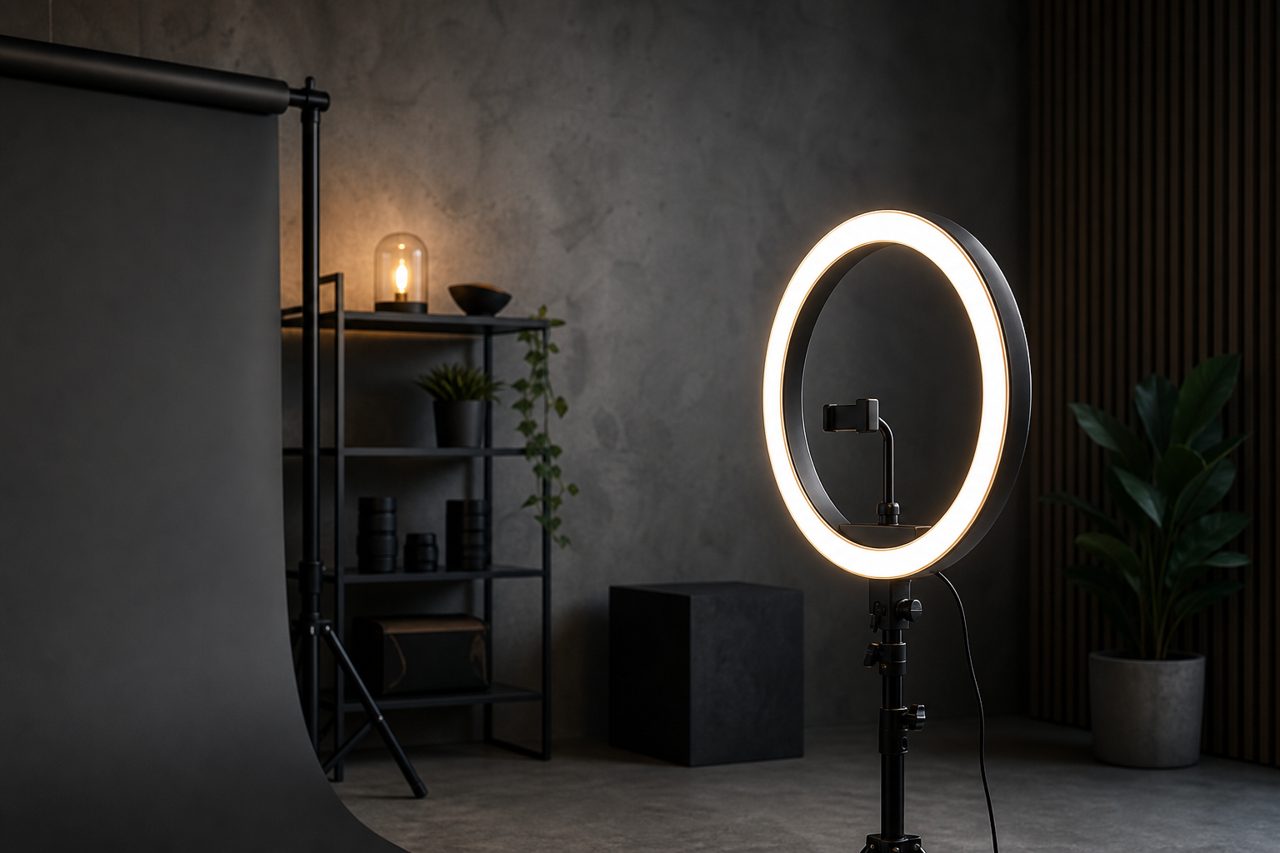
Every webcam, ring light and microphone arm sold to a creator eventually raises the same question: what is behind the person? Retailers who answer it with a dedicated background shelf capture an attach-rate sale that costs nothing to explain. The products are light, ship flat or rolled, rarely carry batteries, and tolerate long standard shipping lanes, which makes the category unusually friendly to cross-border stockists. The buyer is not purchasing cloth or vinyl; the buyer is purchasing a finished look for the wall behind their content, and the listing that shows that look is the listing that sells.
Returns in this category are expectation failures more than quality failures. A backdrop that ships folded shows crease lines on arrival; a disc photographed open looks small inside its box; a reel lands without the stand the buyer assumed was included. None of these are defects, yet all of them become returns, and all of them are preventable in photography and copy. Stocking the right formats matters, but presenting them honestly matters just as much.
The four formats, compared
Four formats dominate the category, and they solve different problems. The table reads across the dimensions buyers actually feel: how well the surface keys, how fast it sets up, what the parcel does to shipping cost, and who ends up using it.
| Format | Keying | Setup and storage | Parcel profile | Durability | Typical buyer |
|---|---|---|---|---|---|
| Chroma fabric (green or blue) | Strong when lit evenly; wrinkles read as shadows | Hangs from a stand with clamps; folds flat | Light and foldable; cheapest lane | Good; care varies by weave | Streamers, tutorial creators |
| Collapsible disc, double-sided | Strong; spring frame stays taut | Pops open in seconds; twists down to a disc | Disc diameter defines a bulky parcel | Crease lines if stored bent | Vloggers, small desks |
| Pull-up retractable reel | Consistent; always flat when deployed | One pull sets it; base doubles as the stand | Heavy base; freight-sensitive | High; protected inside the case | Professional streamers, offices |
| Physical set: shelves, panels, prints | No keying; the look is real | Permanent build; not portable | Freight-heavy; local sourcing often wins | Highest; it is furniture | Branded channels, studios |
Read as a ladder, the table is a range plan. Fabric is the entry shelf and the volume seller; discs serve the space-poor buyer; reels take the professional corner; physical sets are a content play for brands rather than a stockist's product. Most stores need the first three shelves and can ignore the fourth.
Keying quality is bought with light, not fabric
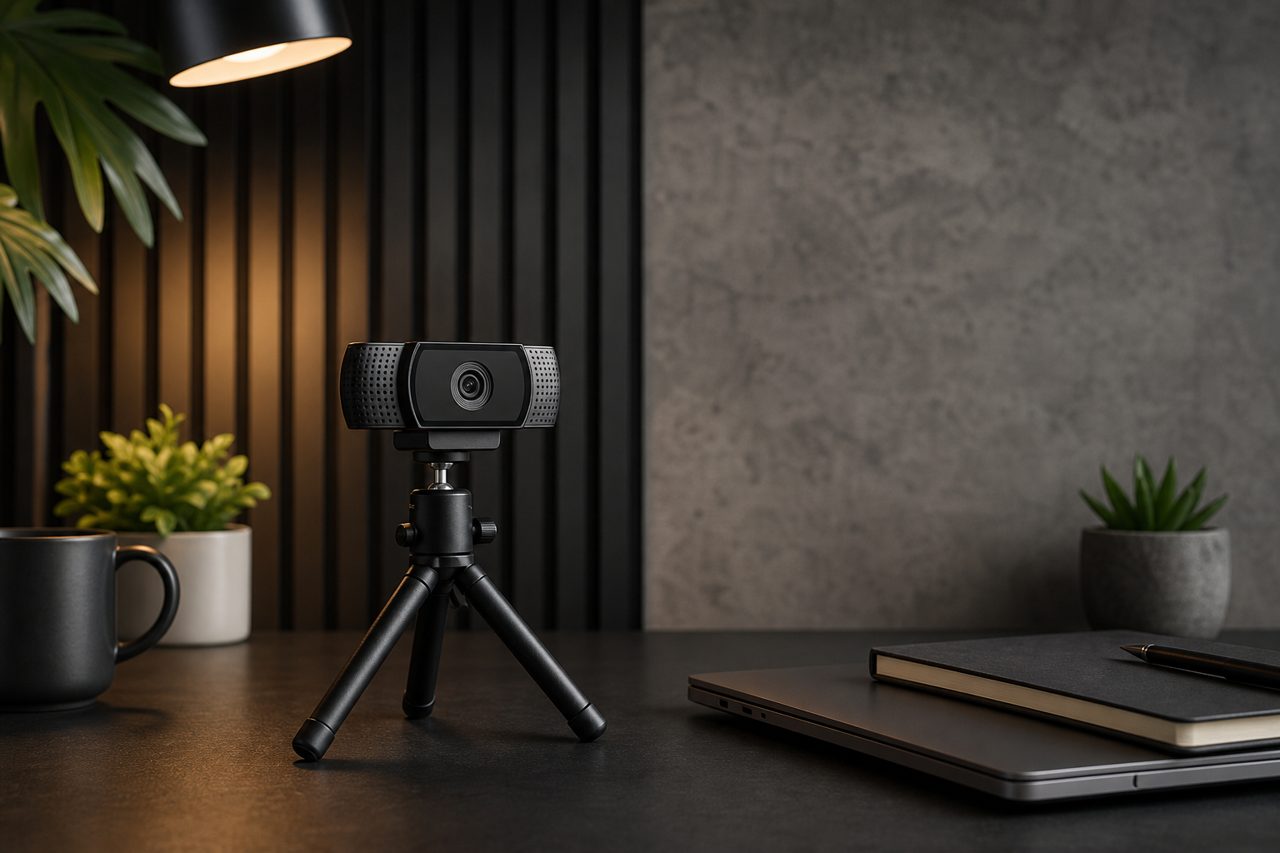
Chroma keying fails at the lighting stage far more often than at the fabric stage. A backdrop keys cleanly when it is evenly lit and separated from the subject, which is why backgrounds attach so naturally to the lighting range: the same ring light or panel that flatters a face also flattens crease shadows out of a backdrop. Color temperature consistency across the setup matters here, because mixed light turns one clean green into several slightly different greens that the software must guess between.
Green is the conventional choice because camera sensors resolve the green channel with the most detail, so a green backdrop tolerates uneven light better. Blue suits dark scenes and dark wardrobe and tends to spill less onto skin tones, at the cost of needing more light for the same exposure. Stocking both colors in the fabric format is cheap, and the same stand serves either.
Specs worth verifying on samples
The format decides the form; these checks decide the repeat order:
- Opacity. Hold the fabric up to a bright window; thin weaves show the wall behind and key poorly.
- Wrinkle recovery. Fold a sample overnight and photograph it in the morning; the listing photos will only be honest if the product is.
- Frame tension on discs. A tired spring sags at the corners; cycle the disc open and closed ten times before judging it.
- Reel return. The spring should retract smoothly at half and full height without lurching or drifting.
- Mounting. Confirm the mounting method fits common light stands; a backdrop that needs its own proprietary stand doubles the reason for return.
- Size honesty. State the covered area at real working distance, not the diagonal; buyers film head and shoulders at a desk.
- Care. Washing instructions, and whether the surface tolerates steam, decide whether month two ends in a reorder or a return.
Bundling the background shelf
Backgrounds sell fastest when they are photographed as part of a setup. A starter bundle pairs chroma fabric with a compact stand and clamps; the desk bundle pairs a collapsible disc with the 10 or 12 inch ring light a space-poor creator already owns; the studio bundle pairs a reel with a heavier light and a boom arm. Each bundle answers the question a product page cannot: what does this look like behind a real person, in a real room, at real working distance.
Photograph bundles in use rather than flat on white, because the photo is the argument. In copy, name the stand requirement on the first screen; the most common review complaint in the category is a backdrop that arrived without anything to hang it from. Priced as an add-on, backgrounds carry healthy margin precisely because the freight is light and the emotional value - a finished, professional frame - is high.
Logistics and private-label notes
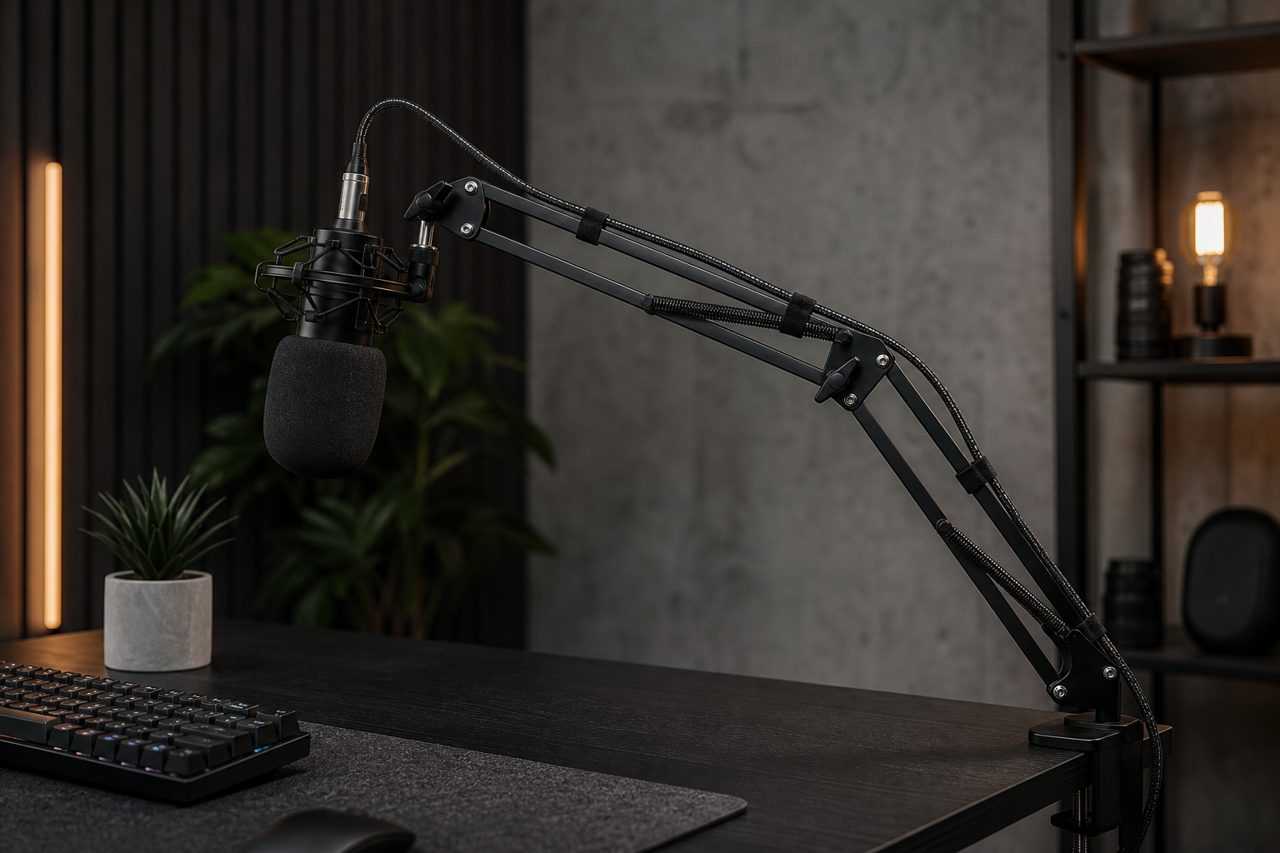
Format choice is a logistics decision. Fabric ships light and folded and rides the standard small-parcel lane comfortably; discs declare their diameter to the dimensional-weight formula; reels concentrate weight in the base and deserve a freight-honest price. None of the formats carry batteries, so all of them travel the standard 7-15 day lane without the compliance work that battery products demand.
For private label, the category is accessible: logo printing and custom color boxes are light customization from 500 units per SKU with 5-7 day sampling, and a printed brand on a backdrop travels into every video the customer records. Unproven formats are worth testing through one-piece dropshipping first, then committing depth to the two or three SKUs the data supports.
Sourcing note
The backdrop formats above sit beside the lighting and support lineup on the creator gear category page. Single units for sample testing ship through dropshipping with 48-hour dispatch, and logo programs, packaging and bundle configuration are arranged on the OEM/ODM page.
FAQ
Does a store need green screens, or do physical backdrops replace them?
Both sell, to different buyers. Keying tools such as chroma fabric and collapsible discs serve creators who swap locations digitally or want a clean, replaceable background, while physical sets serve branded channels with a fixed studio corner. Most ranges stock the keying formats and leave physical sets to the brands themselves.
Green or blue backdrop - which should a range start with?
Green. Camera sensors resolve the green channel in the most detail, so green tolerates uneven lighting better and needs less light for a clean key. Blue is a worthwhile second color for creators filming dark scenes or wearing dark wardrobe, and the same stand serves either color.
Why do background tools get returned, and how is that prevented?
Almost always through expectation gaps: crease lines after folding, a smaller-than-expected coverage area, or a backdrop that arrived with nothing to hang it from. Photograph the product at real working distance, state the covered area and the stand requirement in the listing, and fold-test samples before shipping, and the returns largely disappear.