The Creator Economy as an Accessories Market
The creator economy is usually described as platforms, payouts and media businesses. For a seller of physical goods, there is a more useful reading: every new creator is a new buyer of lights, microphones, stands, cameras-adjacent gear and power. Read as hardware demand, the creator economy stops being an abstract trend and becomes a demand engine sitting on top of a measurable accessories market.
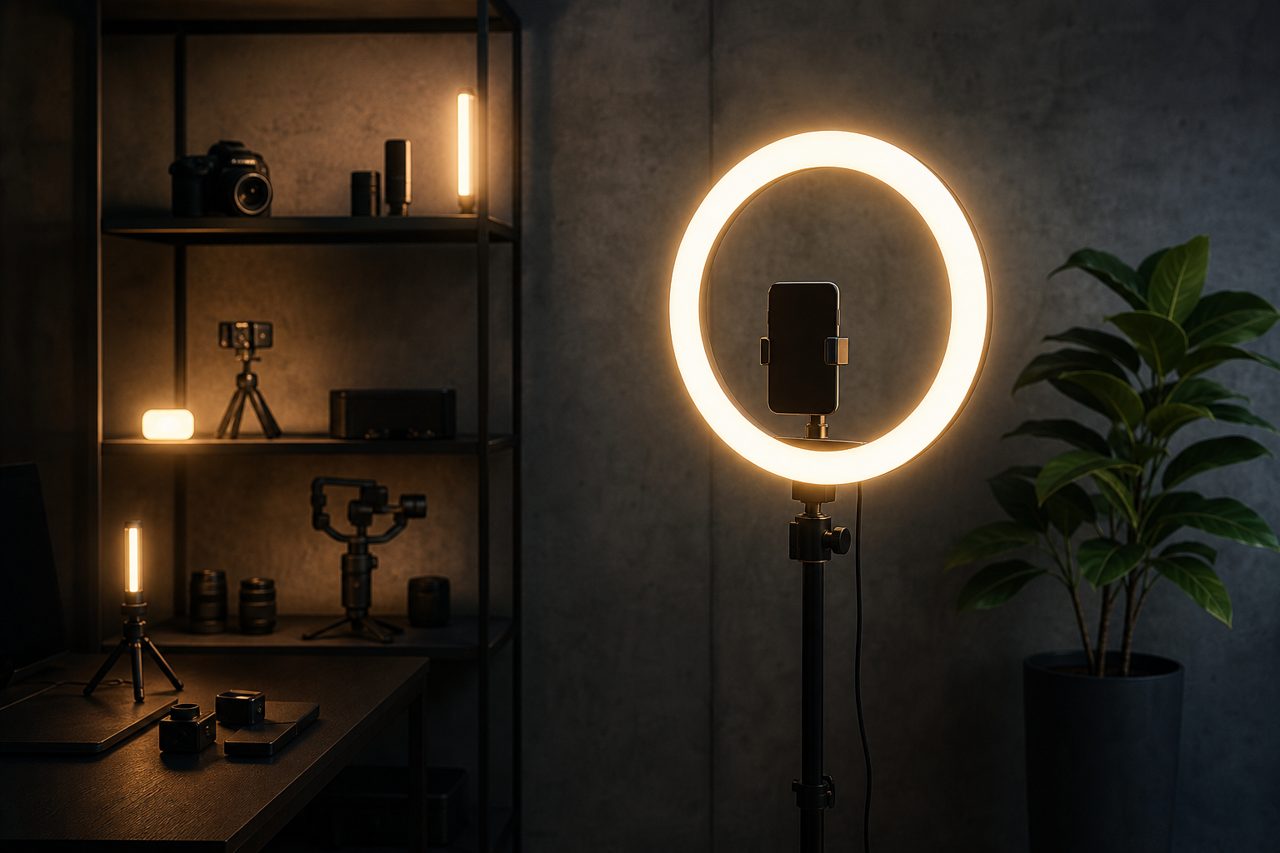
Platform-side analyses of the creator economy tend to end where a hardware seller's questions begin. What they establish is directional and strong: more people are creating content for audiences than ever, on phones first, and the tools they buy to do it are accessories — not cameras, not computers, but the affordable layer around the device they already own. That layer is where an accessories reseller lives, and it has the advantage of being measurable.
Why the hardware lens works
Creator activity converts into accessories demand through a simple mechanism: audience expectations. Once a creator publishes regularly, the feed itself sets the standard — viewers notice bad audio before they notice a good camera, notice a dark face before they notice editing. Fixing those deficits requires purchases, not skill alone. A ring light arrives before a strategy does, and a clip-on microphone precedes any monetization milestone. The pattern repeats across formats: streamers need the desk, vloggers need the pouch, podcasters need the chain — but every kit starts with fixing what the audience can see and hear. In other words, the entry ticket to the creator economy is largely a basket of accessories, and the recurring dues are accessory upgrades.
This is why the accessories market is the right denominator for the opportunity. The global mobile accessories market reached USD 105.5 billion in 2025 and is projected to hit USD 189.9 billion by 2033, a 7.8% CAGR from 2026 to 2033 (Grand View Research). Against that pool, creator gear is not a speculative bet on a new behavior; it is a positioning within demand that already exists, aimed at the segment of buyers whose purchases are motivated by publishing.
The same lens hides a distribution insight. Creators are not only customers; they are a demonstration channel. A light that appears in a favorite channel's frame is being demoed to that audience daily, and accessory purchases routinely follow a visible setup rather than a search ad. That is why categories that photograph well on camera — lighting first among them — carry a promotional multiplier that pure utility accessories lack.
The upgrade chain: how one buyer becomes many sales
The economics of this market come less from the first purchase than from the sequence that follows. A creator's gear path is predictable enough to plan a catalog around:
- Stage one: the phone. The buyer adds a grip tripod or a clip-on microphone — small, cheap, immediate fixes to visible problems.
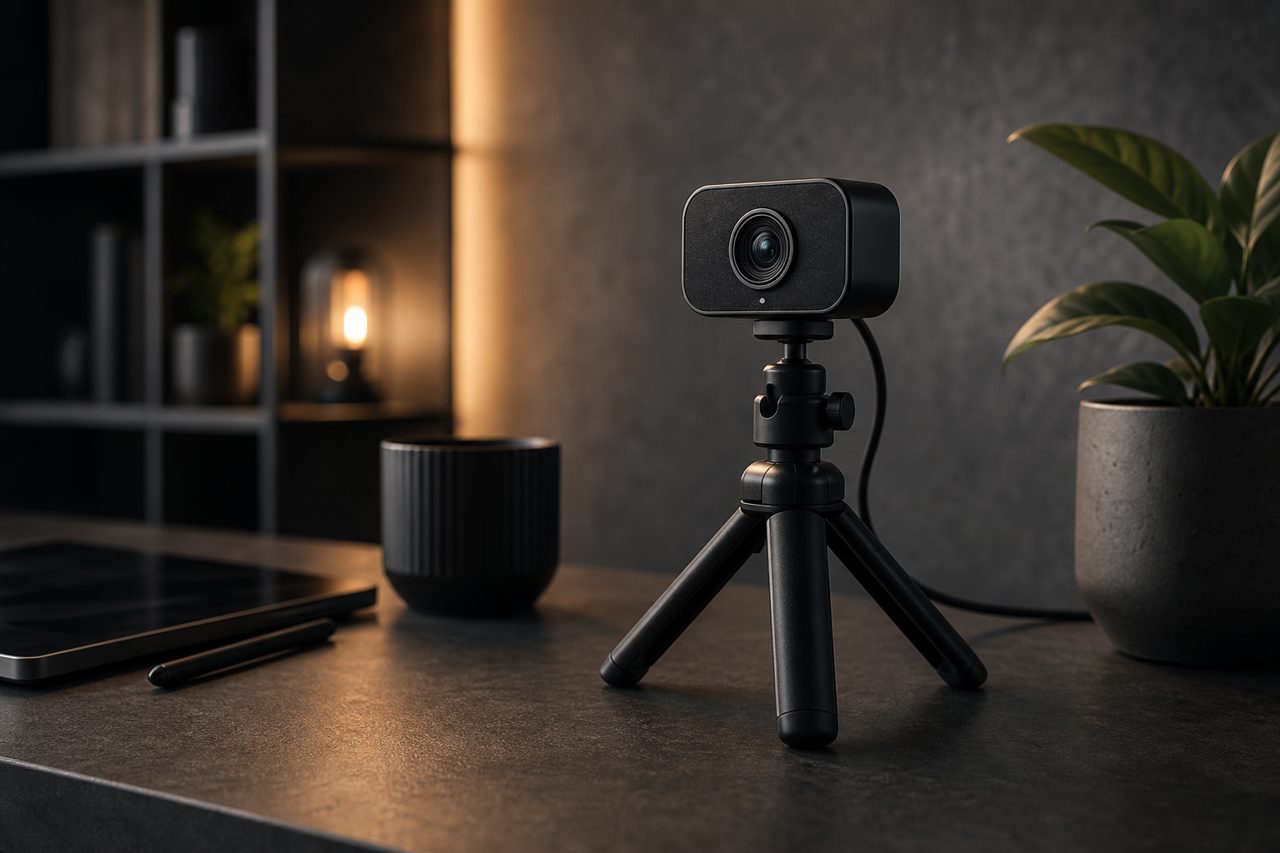
- Stage two: the desk. Publishing on a schedule brings a light, a webcam and a USB microphone. Bundles serve this stage well because the buyer wants a working setup, not research.
- Stage three: the corner studio. Consistency earns some revenue or status, and spending upgrades: better microphones, larger panels, gimbals, boom arms, cable-managed everything.
- Stage four: specialization. The creator's format picks the gear — travel kits, streaming desks, podcast chains — and the catalog that grew with them keeps the relationship.
A reseller who maps SKUs onto these stages sells to the same customer four times, and each sale is larger than the last. That repeat-purchase spine is what separates creator gear from single-decision accessory categories.
What the market data actually says
Four figures anchor the opportunity, all from one research house to keep the methodology consistent:
| Data point | Figure | Source |
|---|---|---|
| Global mobile accessories market, 2025 | USD 105.5 billion, projected to USD 189.9 billion by 2033 | Grand View Research |
| Market growth rate, 2026-2033 | 7.8% CAGR | Grand View Research |
| U.S. mobile accessories market | USD 21.66 billion in 2023, projected to USD 34.22 billion by 2030 | Grand View Research |
| U.S. online share of mobile accessories sales, 2023 | 35.5%, and the share keeps rising | Grand View Research |
| Asia Pacific share of global mobile accessories, 2025 | About 49.9% | Grand View Research |
Read together, the figures describe a market that is large, compounding steadily, transacting increasingly online, and anchored by two deep regional pools — North America and Asia Pacific. For an accessories seller, each phrase maps to a decision: online share favors direct listings over shelf placement; regional depth favors logistics that reach both pools profitably; steady compounding favors catalogs built for repeat purchase rather than one spike. Two cautions keep the numbers honest: market estimates differ across research houses, so never mix figures from different sources in one claim, and attach the institution and year to any number that reaches a listing or a pitch deck — a sourced figure is a trust signal, an unsourced one is a liability.
A segment map for sellers
The creator gear category divides into four demand families, each with a distinct entry profile:
| Family | What it includes | Demand driver | Entry profile |
|---|---|---|---|
| Lighting | Ring lights, panels, mini LEDs, color-temperature adjustable units | Every creator with a dim room; the most universal deficit | Lowest barrier; battery-free options keep logistics simple |
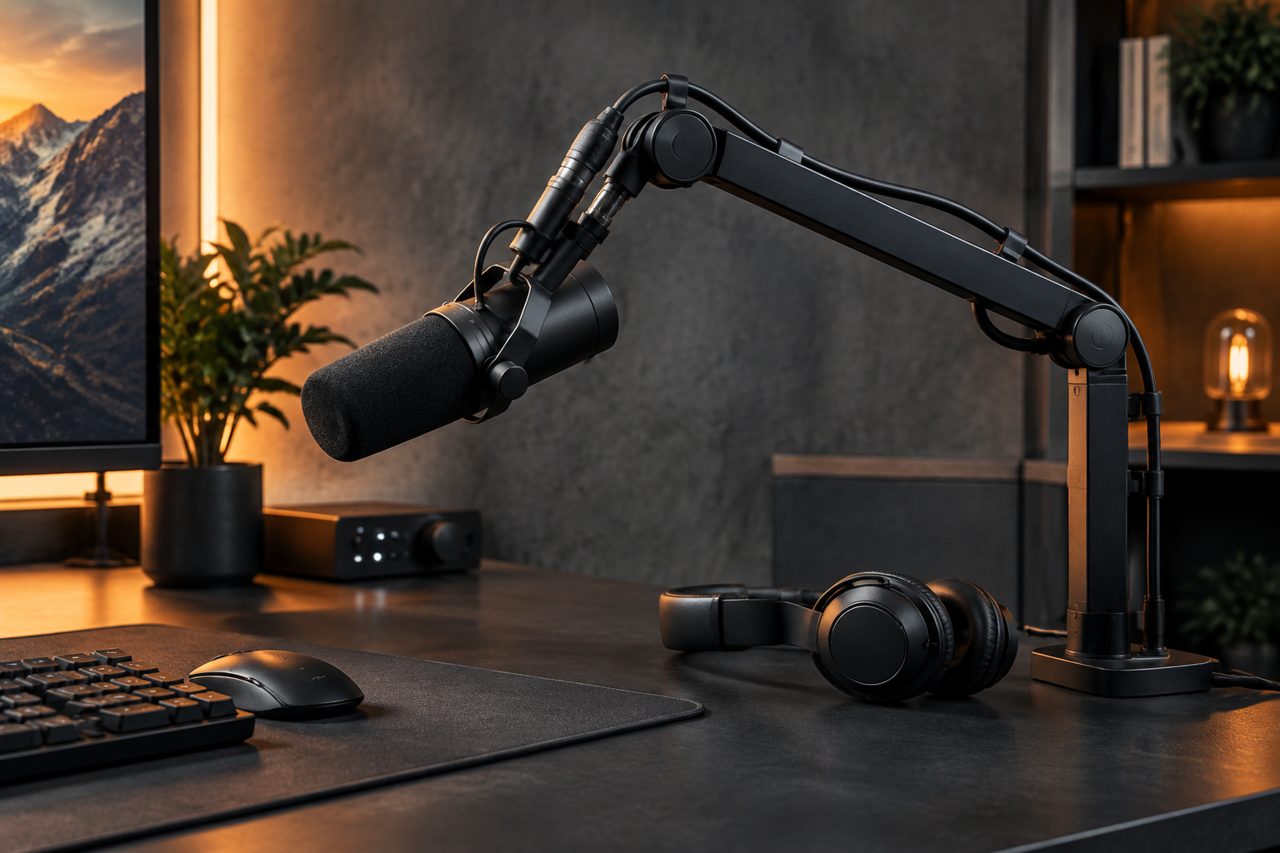
| Audio | USB and wireless microphones, arms, wind protection | Viewers forgive video before they forgive audio | Spec-sensitive; rewards testing and honest claims |
| Capture support | Webcams, tripods, gimbals, plates and stands | Framing and stability across desk and travel use | Broad range; compatibility clarity decides returns |
| Power and kits | Power banks, charging cases, bundle kits | Runtime under real shooting days; one-box convenience | Battery logistics apply; bundles reward kitting capability |
Most successful entries stack two families — a lead family and a natural attach — rather than launching all four at once: lighting with tripods, audio with arms, capture support with power.
Entry strategy without inventory gambling
- Validate with held stock. One-piece dropshipping lists supplier inventory without a purchase order; real search data and first reviews arrive before capital moves, with stock dispatching within 48 hours.
- Read the upgrade chain in your own reviews. Buyers literally write the next SKU: "great light, need a stand" is demand data arriving by email.
- Brand the proven, not the hoped. Light customization from 500 pieces per SKU and full OEM from 1,000 pieces turn validated products into brand assets; sampling runs 5-7 days for light customization and 7-12 days for full OEM.
- Serve both regional pools deliberately. North America and Asia Pacific carry the market; lanes and warehouses should be chosen so both pools are reachable at workable delivery promises.
A note on timing: the upgrade chain runs continuously, which smooths seasonality compared with gift-driven accessory categories. The desk stage spikes with New Year resolutions and back-to-school rhythms, travel kits with vacation seasons, but the underlying stream of new creators joining every week keeps base demand moving through the year. Inventory plans should hold a stable core and dress the spikes, rather than betting the year on two peaks.
The sourcing bottom line
Read the creator economy as what it is for a hardware seller: a self-renewing stream of buyers climbing an upgrade chain that your catalog can furnish, inside an accessories market compounding at 7.8% a year (Grand View Research). The current creator gear lineup sits on the creator gear category page; validate SKUs one piece at a time through dropshipping, then move proven products into branding on the OEM/ODM page.
FAQ
Is the creator accessories market already saturated?
The headline categories feel crowded; the demand engine does not. The global mobile accessories market was worth USD 105.5 billion in 2025, heading to USD 189.9 billion by 2033 at a 7.8% CAGR (Grand View Research). Demand of that size adds buyers every year, each needing lighting, audio, support and power. Saturation is a property of individual listings, not of the curve.
Which creator gear category should a reseller enter first?
Lighting, in most cases: the most universal need, with battery-free options that keep logistics simple and a short upgrade chain that turns one sale into the next. Audio follows for sellers ready to handle spec-sensitive products; capture support suits catalogs already serving phone and camera owners.
How does a buyer enter this market without inventory risk?
Validate before stocking: one-piece dropshipping lists supplier-held stock with 48-hour dispatch, so real search data and first reviews arrive before capital moves. Then brand the proven — light customization from 500 pieces, full OEM from 1,000, sampling in 5-7 days for light customization. The sequence replaces inventory gambling with a staged bet.